Learn Color Game: The "Find Me Something Red" Hunt

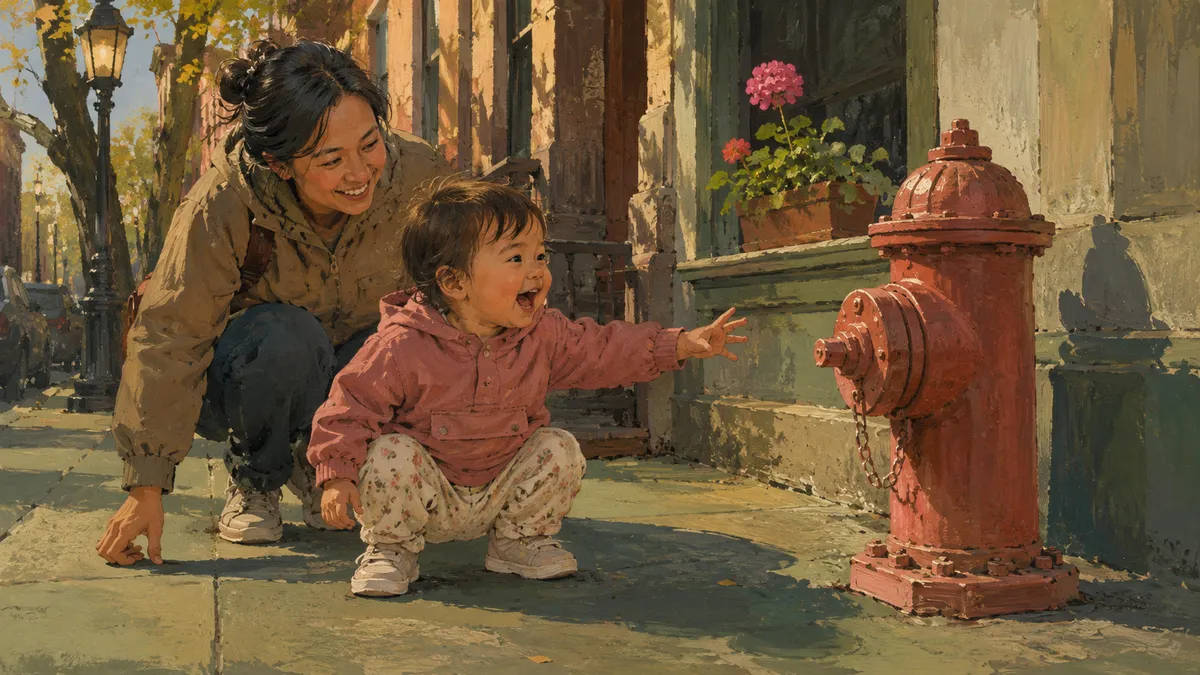
The “find me something red” game is exactly what it sounds like: you ask your toddler to spot something red, they go hunting, and you’ve got a color learning game that needs zero supplies and works anywhere. I’m Nora Hayes, a former preschool aide who has run hundreds of these little hunts with my own two kids, and it’s the one I reach for in a checkout line, on a walk, or in a waiting room when there’s nothing left in my bag.
Below, I’ll walk through what the game actually teaches, how to play it through the toddler and preschool years, how to adapt it for different ages and abilities, and where it fits among other color games for preschoolers.
What the “Find Me Something Red” Game Is
You say it. They find it. That’s the whole game.
“Find me something red” is a color scavenger hunt you run with your voice and whatever room you happen to be standing in. No cards, no flashcards, no app. You name a color, your kid scans the space, spots something that matches, and points or runs over to it. You confirm. You pick the next color. That’s a complete round.

What makes it work is the visual discrimination it quietly demands. Your toddler has to hold the word “red” in their head, scan a whole room full of competing shapes and colors, filter out everything else, and land on the right one. That’s color identification through actual looking, not just repeating a word after a flashcard.
The environment never stays the same, and that’s what keeps the search feeling new.
- A stoplight is red.
- A strawberry is red.
- A fire truck is red.
- Your kid’s sock is red.
Each object teaches the same category from a different angle, which is exactly how color concepts actually stick.
The game also adjusts itself to the child. A two-year-old grabs the obvious red cup. A five-year-old spots the tiny red stripe on a sneaker. Same prompt, right level of challenge. That’s playful learning doing its job without any extra work from you.
Why a No-Supplies Color Hunt Builds Real Skills
That self-adjusting quality isn’t random. The game’s structure follows exactly how kids actually learn colors, and it picks up extra skills along the way.
From Spotting to Naming Colors
There’s a gap between understanding a color word and saying it, and it trips up a lot of parents. They hear their two-year-old go quiet and figure she doesn’t know her colors yet. But the difference between identifying colors and naming them matters: recognition comes first, often by a full year.
Lovevery’s child development blog puts it clearly: toddlers around 18-24 months can correctly point to a named color, while consistent color naming typically doesn’t emerge until closer to age 3-4. The CDC’s 30-month milestone reflects the same sequence, testing receptive color knowledge by asking a child to point to a red crayon, not name it.
“Find me something red” fits right into that window.
- Younger toddlers scan and point to the color without needing to say a word
- Older ones use the same prompt to practice naming what they found
Both skills, one game.
The Hidden Vocabulary and Attention Wins
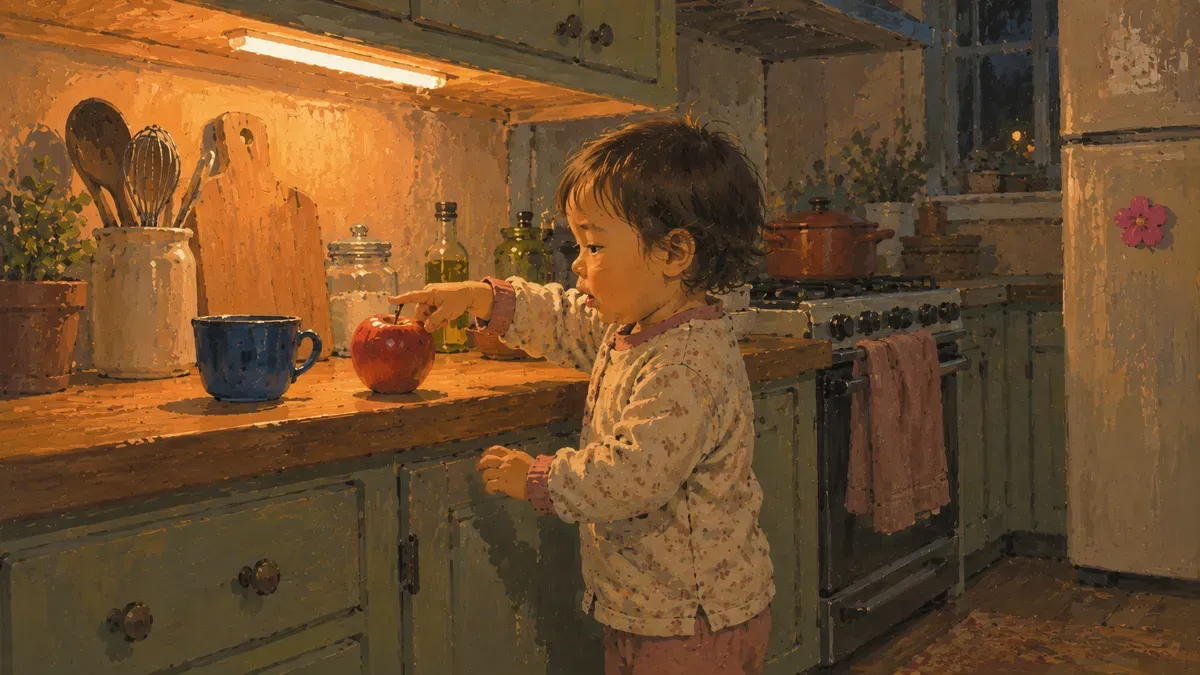
Visual discrimination sounds clinical. In practice it means your kid learns that “red” covers a ketchup bottle and a stop sign and the label on a crayon. That same-but-different recognition is harder than it sounds, and this game drills it just by asking the question somewhere new.
Object vocabulary rides along for free. Because the matching objects change every round, she picks up names for things she might not have had a word for yet:
- A fire hydrant
- A cranberry
- The heel of a sneaker
A round of this game fits neatly inside those ranges. According to Brain Balance Centers’ attention-span guidance, a typical 2-year-old can focus for 4-6 minutes and a 4-year-old for 8-12 minutes.
How to Play It on Walks, in Stores, and in Waiting Rooms
The beauty of a no-supplies hunt is that the supplies are wherever you already are. Here’s how it actually plays out in the three spots you’ll reach for it most: outside, mid-errand, and stuck waiting with a restless kid.
On a Walk or Around the Yard
Outdoors gives you a moving feast of targets, which is why walks are my favorite place to run this. Push the stroller and call it out: “Find me something red.” Now wait. Let them scan the parked cars, the stop sign, a neighbor’s geraniums, a kid’s bike tossed in a driveway.
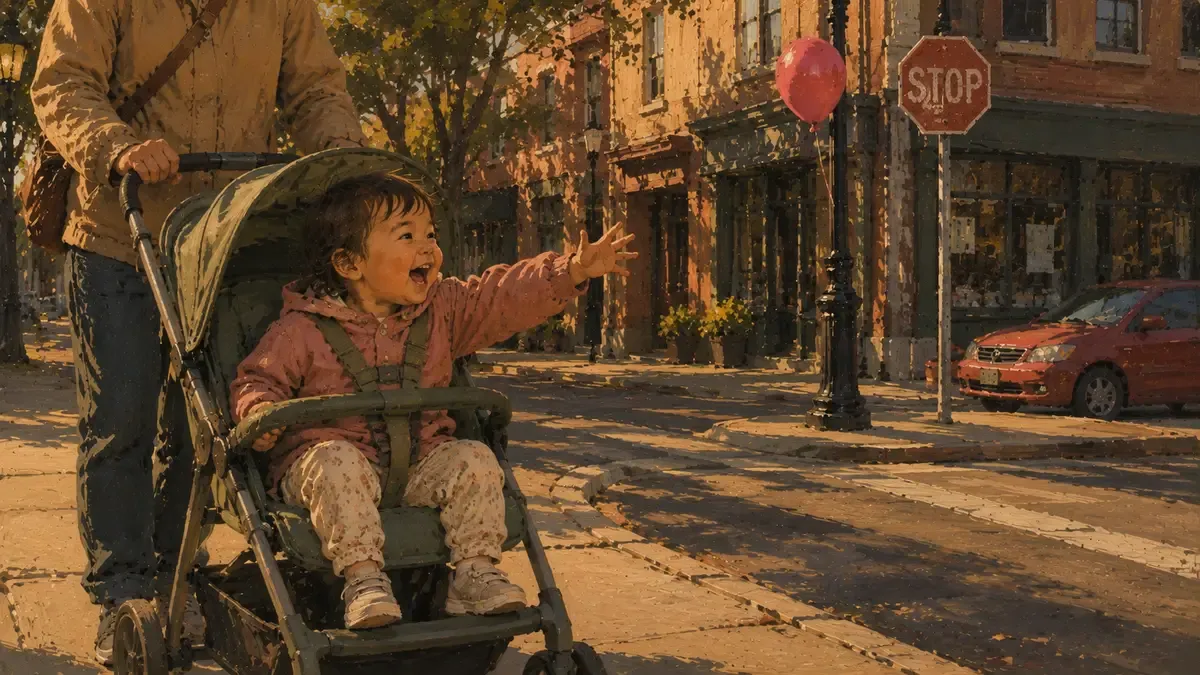
Trade turns so it’s not a quiz. They pick the next color, you go hunting. In the yard, swap cars for leaves, dandelions, and the green hose. Let them toddle over and touch the thing they spotted, because pairing the word with a little gross motor sprint turns a quiet color game into a movement game. No household objects required. The street is the bin.
Down the Grocery Aisle
The cart is where this earns its keep. A preschooler strapped in for forty minutes of errands is a meltdown loading bar, and a color hunt resets the timer.
Work the produce first, where the targets are bright and obvious:
- Red: apples, strawberries, tomatoes, a bag of cherries
- Yellow: bananas, lemons, a box of cereal two aisles over
- Blue: the packaging, blueberries, a tub of detergent
Red, yellow, blue carry the heaviest hitters, so lean on those when their attention is fading. Letting them point and name as you roll is exactly the kind of playful learning these color games for preschoolers were built around, and it doubles as color identification practice nobody clocks as practice. Hand them a job: “Help me find the yellow box.” Suddenly they’re shopping, not whining.
Stuck in a Waiting Room
No room to roam, no toys in the bag, twenty minutes to kill. This is the version that has saved me at the pediatrician more times than I can count.
Keep it seated and quiet. The targets are all right there: a red coat on a hook, the blue chairs, a magazine cover, somebody’s green sneakers. Whisper it like a secret so the whole room isn’t in on your color games.
The same visual discrimination work happens whether they’re sprinting or sitting.
Adapting the Game by Age and Ability
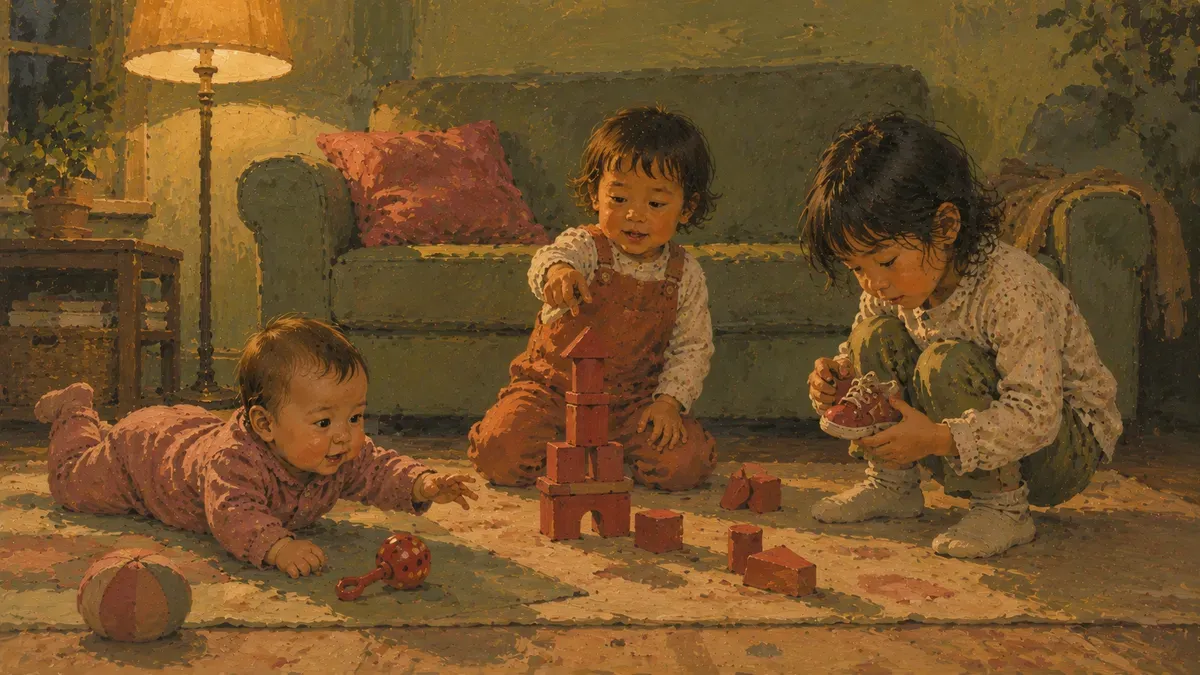
One hunt, every kid in the house. The trick is that you change the rules in your head, not the supplies, so it grows from a baby on your hip to a preschooler who wants to win.
Infants and Babies Under 18 Months
A baby can’t point to red on cue yet, and that’s fine. You play for both of them. Carry them past the apples and say “red apple,” tap a red shoe and say “red,” let your voice do the hunting.
Babies bank color words and the primary colors long before they can hand one back, the same way they soak up “dog” and “cup” months before they say either out loud. So narrate, point, repeat. You’re laying the track for color recognition now and cashing it in later.
Preschoolers Ready for a Challenge
A four-year-old gets bored finding one red thing, so make them work for it. Ask for two colors at once. Call out shades, dark red versus light pink, and watch them slow right down. Or turn it into a count: how many red things before we reach the door?
- Two-color hunts to stretch working memory
- Shades and tints, not just the pure color
- Counting targets for kids near kindergarten
Older preschoolers nail the color in the moment but stumble on remembering and matching shades, which is why a study on hue memory in young children found preschoolers make roughly 3-fold more errors than older kids on remembered-color tasks. The shade challenge is real work, not filler.
Kids with Autism or Sensory Needs
For an autistic kid or a sensory-sensitive one, less is more. Stick to one color at a time and keep the round predictable, same words, same rhythm every go. ABA clinician Dr. Mary Barbera suggests starting with a few clearly different colors and never pairing lookalikes like red and orange, which keeps color identification from going muddy.
Plenty of kids do their best pointing instead of answering out loud, and a low prep hunt makes that easy, no pressure to perform. What you see is scanning, pointing, and matching, and that’s the work. For a gentler on-ramp it pairs well with learning colors for 2 year olds, and you can lean on Lovevery’s guide to how kids learn colors for the why.
When Toddlers Should Recognize Colors
The milestone parents stress over most is one of the loosest on the chart. Color recognition in toddlers unfolds on a wide timeline, and wide is not a cop-out.
The CDC’s Learn the Signs. Act Early. program defines it this way: pointing to a red crayon when asked is a 30-month skill, meaning 75% of children reach it by two and a half. Verbally naming a few colors is a 4-year milestone by the same measure. That gap between pointing and naming is roughly a year and a half, and it matters. Your toddler might know exactly what red is long before “red” comes out of their mouth.
Color identification games work so well with kids who seem behind for one reason: they let a child show what they know through action rather than language.
- A 26-month-old who can’t say “yellow” but reliably grabs the yellow cup has the concept.
- The word comes later, on its own schedule.
Don’t use the naming milestone to judge the knowing milestone. They are different skills on different schedules.
For preschoolers, the focus shifts to sorting shades and primary colors accurately and catching their own mistakes. Activities like learning colors do a dot are a low-key way to practice color identification without it feeling like a test. If you want a fuller picture of how learning colours for 2 year olds really happens developmentally, that piece gets into why some kids need far more repetition before anything sticks.
More Color Activities to Try Next
The hunt is a great starting point, but color learning sticks when kids meet the same idea in a few different formats. Here are some low-prep ways to keep going:
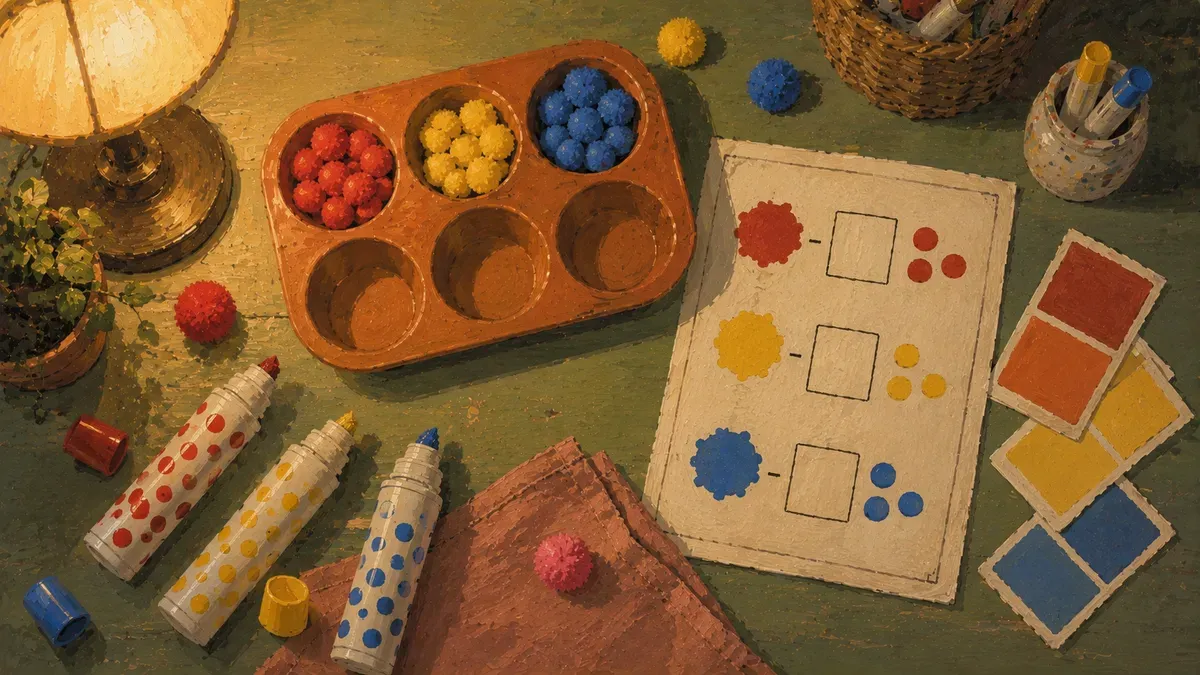
- Dot markers on a color sheet. Simple and mess-contained. The motion of dotting a circle reinforces the color word without any setup beyond uncapping a marker.
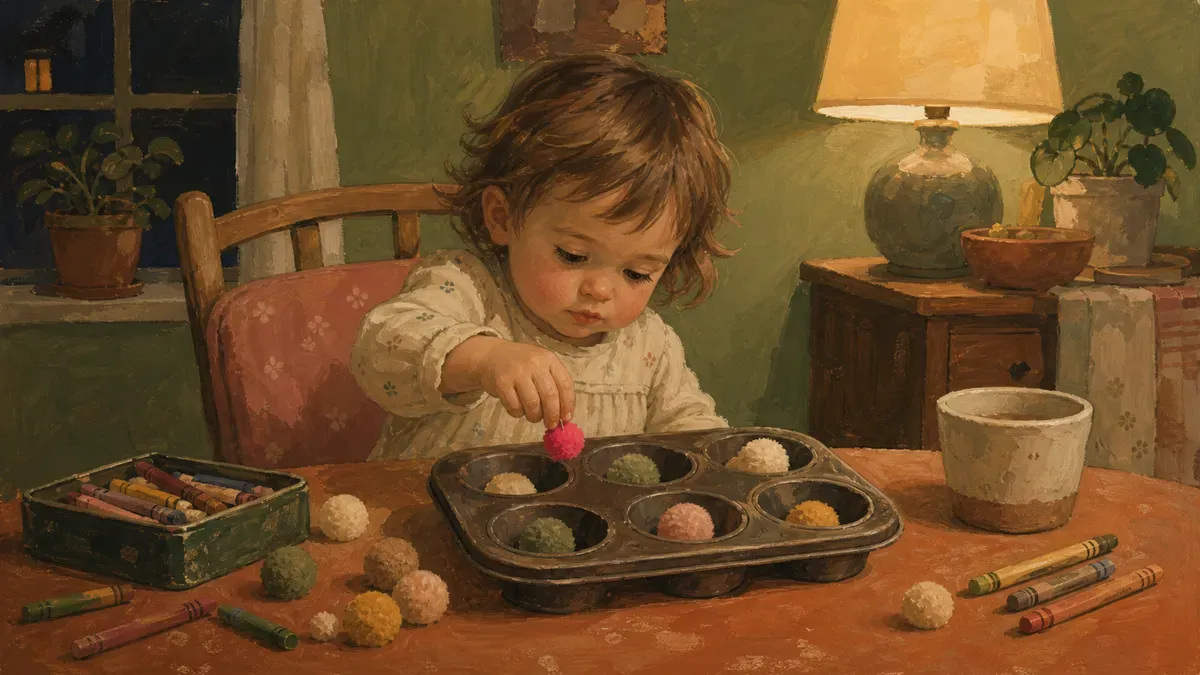
- Color sorting with household objects. Grab a muffin tin and raid the junk drawer. Crayons, clips, pom-poms sorted by color into cups. Hands-on learning at its most low prep.
- Sensory bins by color. A bin of red objects buried in red-dyed rice is basically a scavenger hunt in disguise. Sensory seekers get the dig; kids who need slower processing find one thing at a time.
- Color matching with paint chips. Hardware store paint chips are free, weirdly satisfying to hold, and pair perfectly with found objects around the house.
- Two-color sorting races. Put two baskets across the room and call out a color. The running is half the point.
If you want to go deeper, check out all our color activities for toddlers or browse our full collection of color learning printables for ready-to-print options. And if you’re looking for more structured ideas, color activities that you can set up in five minutes or less are a good next stop.
Found this useful? Save it for the next rough afternoon.
Questions parents ask me about this
What color learning games can I play with my toddler anywhere?
If your toddler won't engage right away, start with their favorite color instead of red. Asking them to find something in the color they already love lowers the resistance, and once they get a few wins under their belt, switching colors gets easier. You can also let them call the color first so they feel like they're running the game, not just answering questions.
At what age can toddlers start learning colors?
Most kids start recognizing colors somewhere around 18 to 24 months, even before they can say the color word. Naming them reliably tends to come later, usually between 3 and 4 years old. If your toddler can point to the red one but can't say "red" yet, that's completely normal progress.
Should I teach color recognition or color naming first?
Recognition comes first, always. Kids understand what a color is and can find it on request well before they can say the word themselves. There's roughly a year or more between those two milestones. So if your child points to the right color but stays quiet, they're not behind. The language catches up on its own.
Which colors should I teach my toddler first?
Start with a few colors that look clearly different from each other. Red, blue, and yellow are good starting picks because they're distinct, with nothing visually close enough to confuse a beginner. Avoid introducing similar hues like red and orange together early on, because the resemblance makes the difference genuinely hard for young eyes to hold.
Is it normal for a 3 year old to still mix up colors?
Yes, very much so. Mixing up similar colors at 3 is typical, especially shades that look alike (orange and red, purple and blue). Most 4-year-olds can name colors reliably, but plenty of 3-year-olds are still sorting it out. If your child's doctor hasn't flagged anything at their checkup, give it a few more months before worrying.
How do I play color games with a child who has autism?
Keep the game simple and predictable: one color at a time, the same prompt every round, and let pointing count as a correct answer without requiring speech. Routine matters more than variety here. A consistent game your child knows what to expect from will get more traction than a new format each time. Follow their pace, and stop before they're done so it stays something they want to come back to.
Do I need any materials to play the find me something red game?
None. You play with whatever is already around you: furniture, clothing, food at the grocery store, signs on the street.
Written by
Nora Hayes
Mom of two and a former preschool aide. I share the screen-free sensory play and calm-down ideas I test at my own kitchen table, plus what the moms in my little meet-up swear by. A parent passing on what works, not a doctor or a therapist.
More about NoraKeep going
All Learning Colors-
 Learning Colors
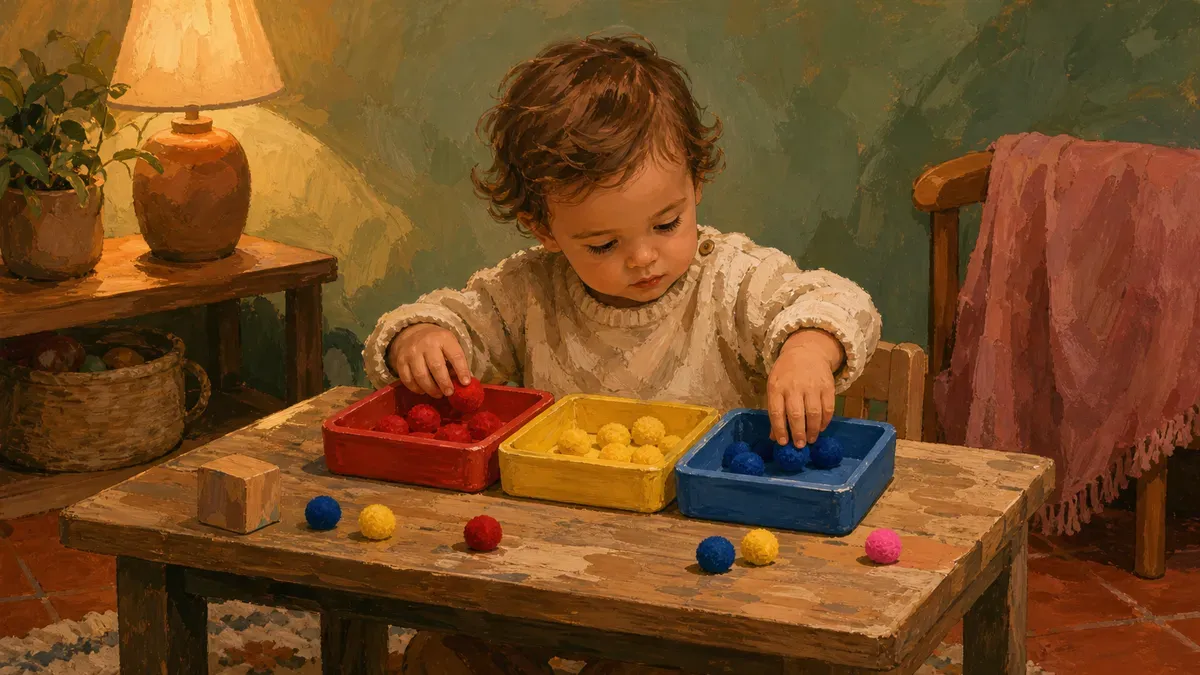
Colours for Childrens: The Order to Teach Them
Teaching colours in a random order slows toddlers down. Get the exact order to teach colours for childrens, plus activities that stick. Start today.
-
 Learning Colors
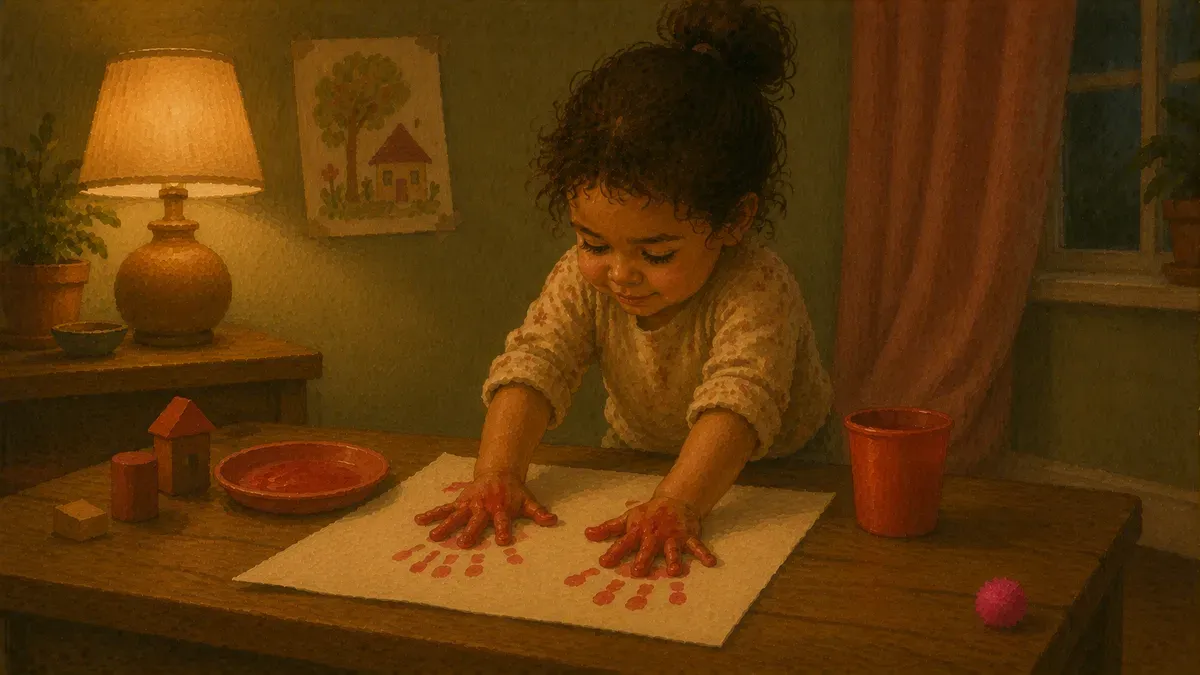
Color Activities for Preschool That Actually Stick
Most color lessons fail because they teach too many at once. These color activities for preschool use one color at a time so it sticks. Start today.
-
 Learning Colors
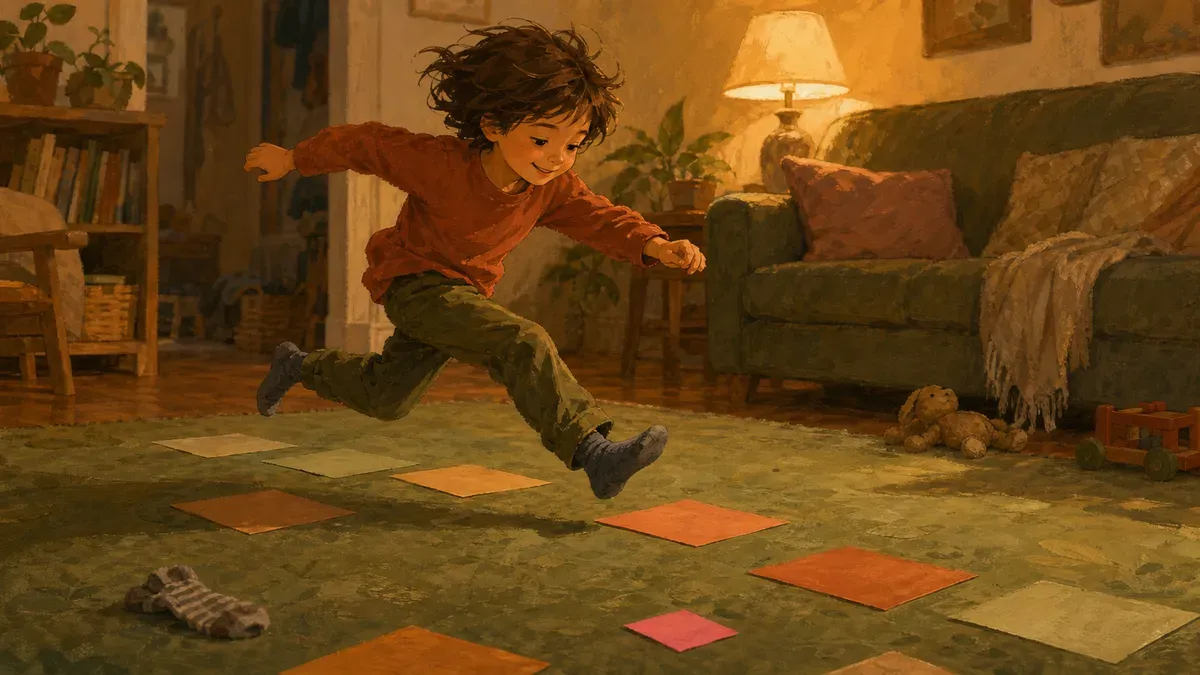
Color Activities for Kindergarten Kids Who Hate Sitting
Got a kid who won't sit still? These 10 color activities for kindergarten get them moving, learning, and laughing. Try them now.
-
 Learning Colors
Color Activities: 20 No-Buy Ideas From Your Home
Color activities you can set up in 2 minutes with household stuff. 20 no-prep sorting, matching, and mixing ideas kids love. Try one today.