
A way to be heard, right now
Communication cards that give a kid a way to be heard
Picture cards and choice boards that help a kid be heard while words catch up.
Communication cards
noun
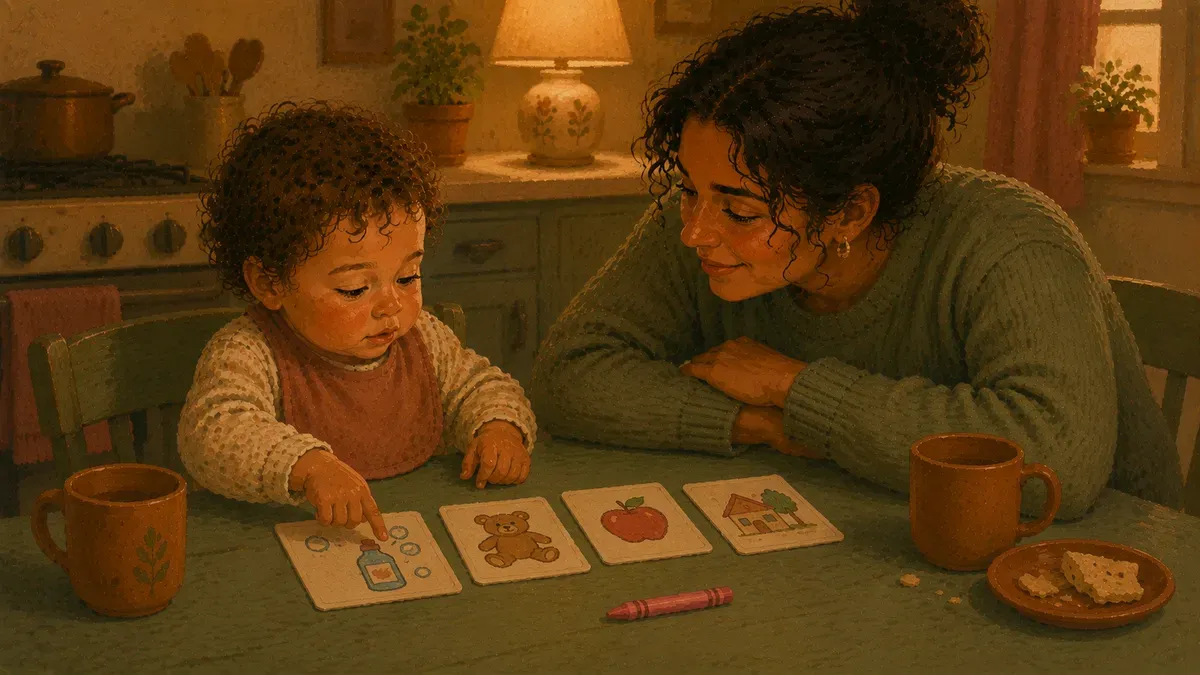
Communication cards are small pictures that stand in for a word, so a kid who is not talking yet can point to one or hand it over and be understood. A card for milk, a card for all done, a card for the swing. That is the whole idea. The fancier name is AAC, augmentative and alternative communication, which just means any way of getting a message across that is not speech.
Special Needs, the latest
-
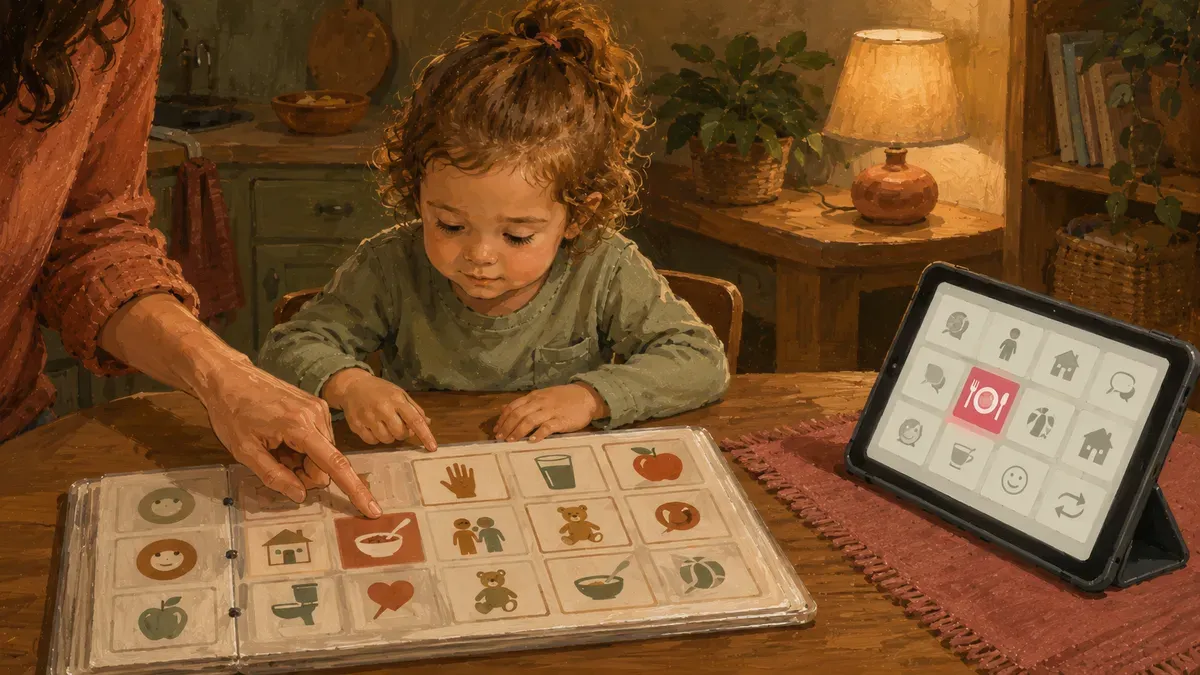 Communication & AAC
AAC Devices vs. PECS vs. Cards: Which Comes First
AAC devices, PECS, or cards first? See what each does, what it costs, and how to pick the right starting point for your child.
-
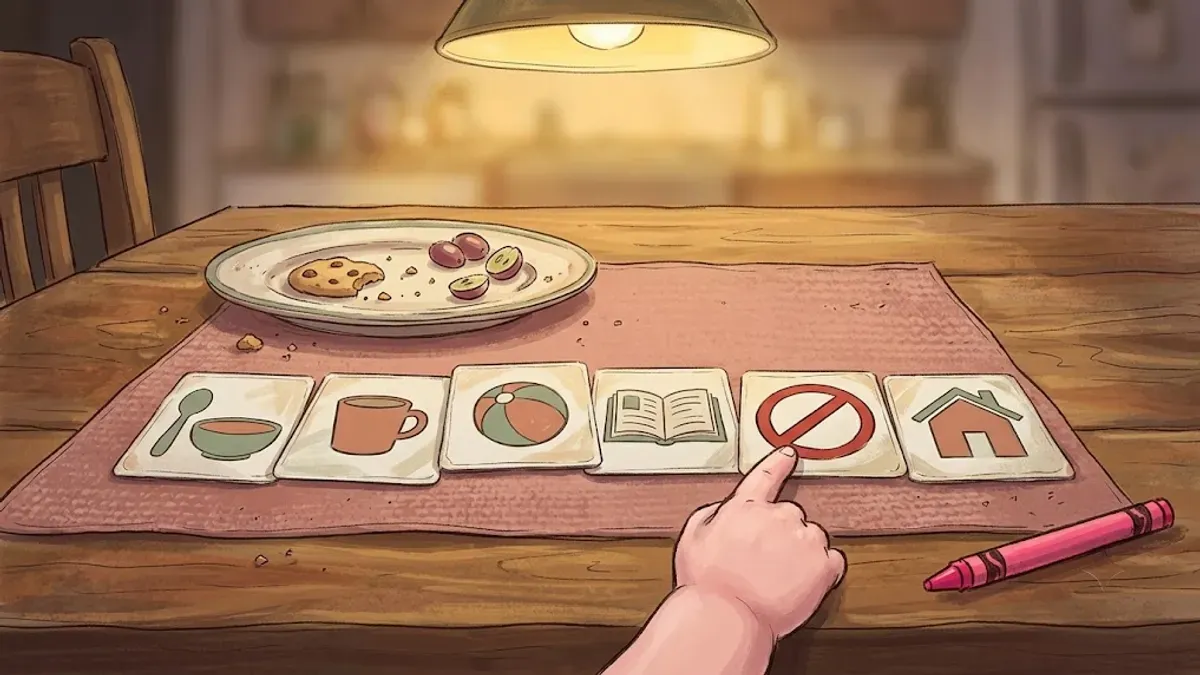 Communication & AAC
All Done PECS: 6 First-Word Cards to Cut Meltdowns
The all done PECS card is often a toddler's first word, and one of 6 first-word cards that halved our meltdowns. Print your own set free.
-
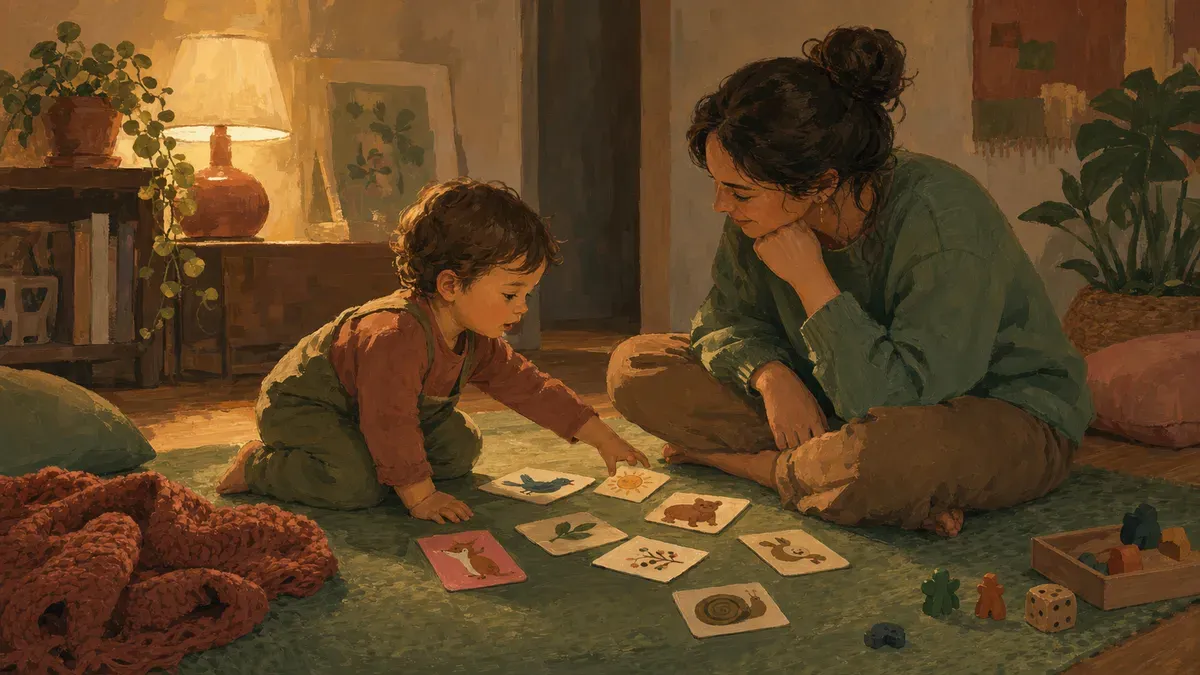 Communication & AAC
Games for Speech Therapy: Picks for Late Talkers
Most speech games target school-age kids. These games for speech therapy pull words out of late-talking toddlers. Start playing tonight.
-
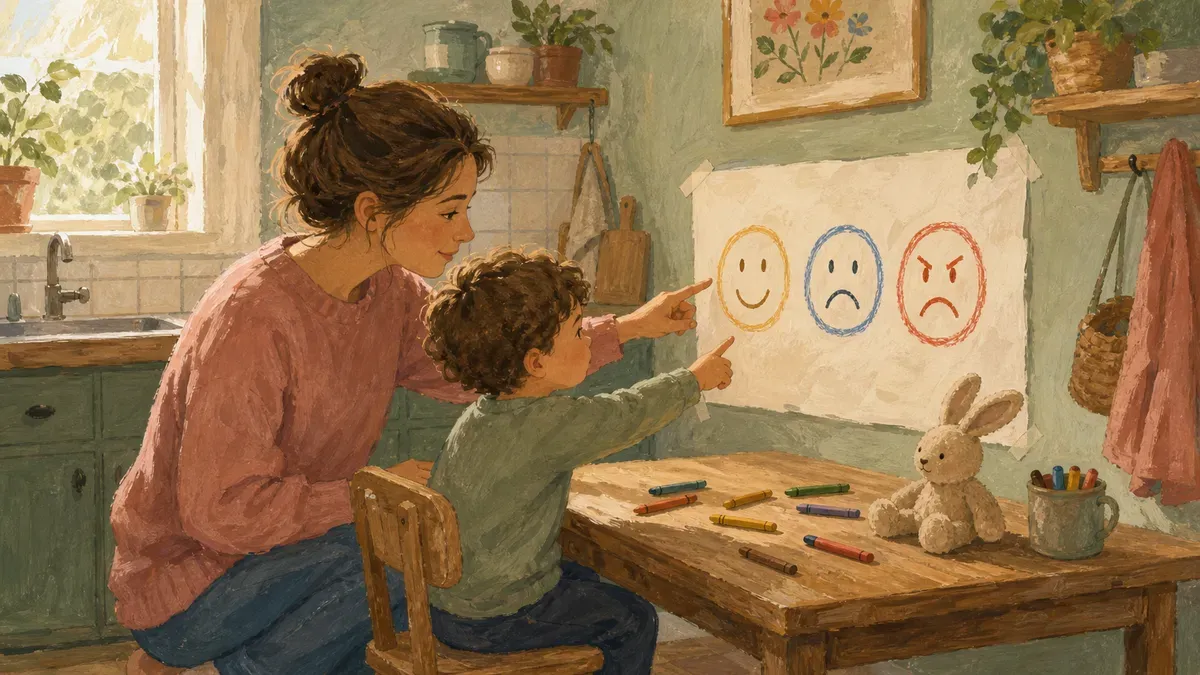 Communication & AAC
Second Step at Home: Teach Kids Big Feelings Daily
Second Step skills don't need a classroom. Turn 15 everyday moments at home into social-emotional learning that sticks. Start tonight at dinner.
-
 Communication & AAC
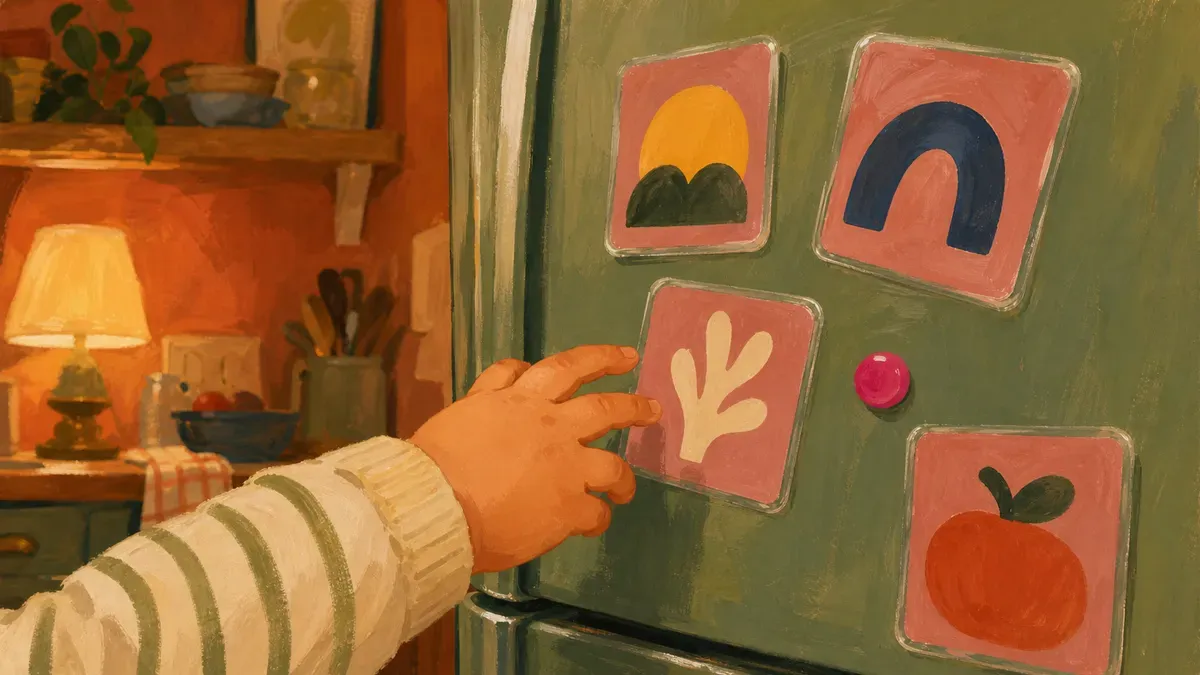
Nonverbal and Verbal: 12 Toddler Communication Cards
Your nonverbal and verbal toddler can point before they speak. See the 12 communication cards every fridge needs to cut meltdowns. Start today.
-
 Communication & AAC
Conversation Cards for Teens That Build Confidence
Tweens freeze at 'how was your day?' Get 25 conversation cards for teens that build confidence, plus the script to break the silence. Start tonight.
-
 Communication & AAC
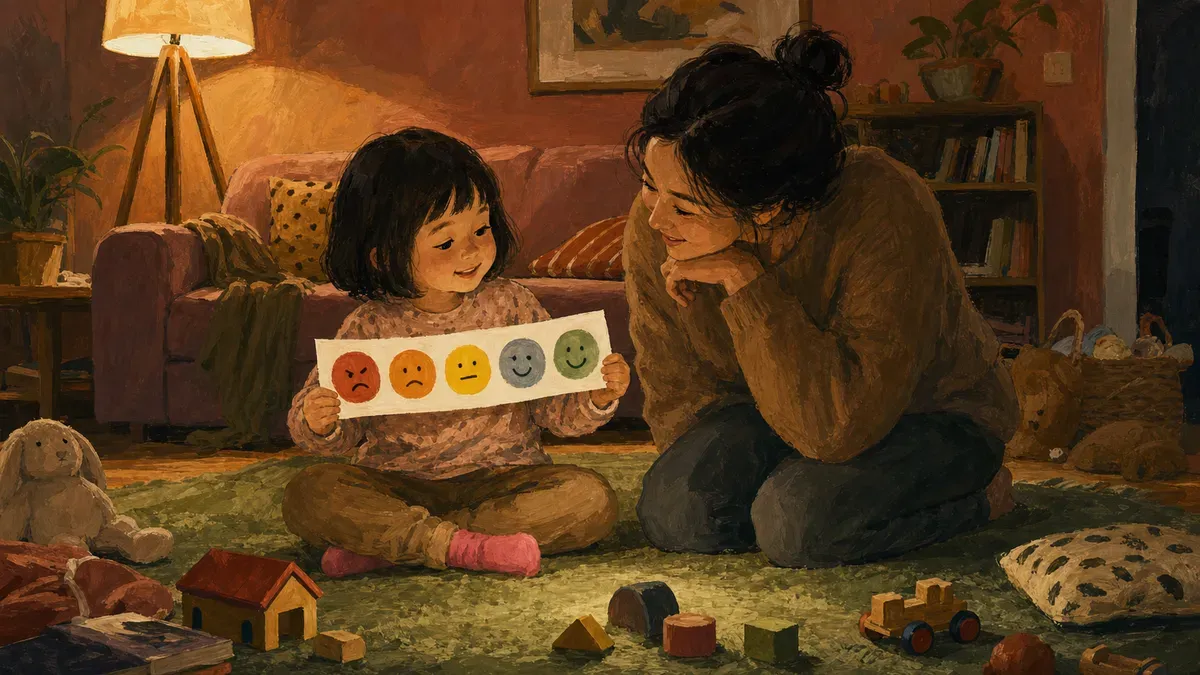
ADHD Speech Delay and the Big-Emotion Connection
ADHD speech delay and meltdowns often go together. See why, and use a feelings-scale card to help kids name big emotions before they boil over.
-
 Communication & AAC
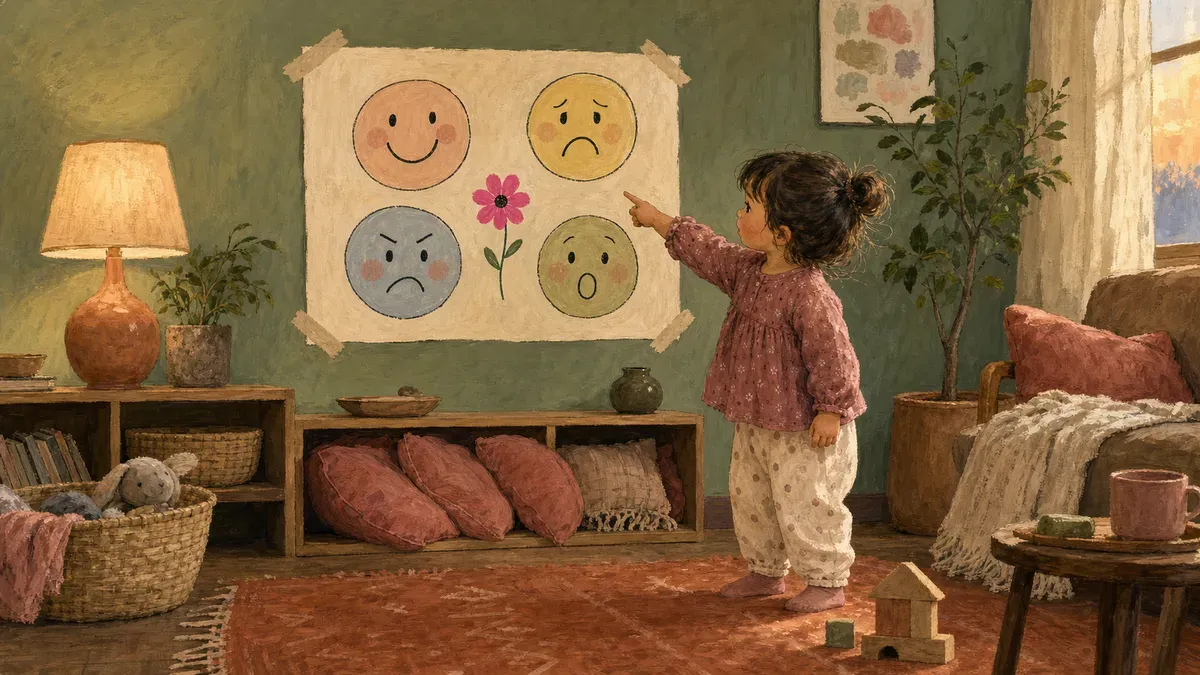
Feelings Chart for Pre-Verbal Toddlers (What Actually Works)
Toddlers feel big emotions before they can name them. A feelings chart bridges that gap. Here's how to make one and use it today.
-
 Communication & AAC
When Do Babies Start Talking? Milestones by Age
When do babies start talking? Most say a first word by 12 months. See the full milestone timeline, red flags, and how to spark first words today.
-
 Communication & AAC
Ultimate SLP Speech Therapy at Home in Daily Routines
Skip the flashcards. Ultimate SLP-style speech therapy at home fits in breakfast, bath, and the car. 3 daily moves to start tonight.
-
 Communication & AAC
Communication Cards: A No-Laminator Start for Late Talkers
Skip the laminator. Start using communication cards with your late talker today with a simple home routine that cuts frustration. Try it this week.
About this guide
This page is the cards themselves: what they are, how to put a first set together, which cards earn their keep early, and the questions every parent asks before they start. They are not a screen and not a referral, just paper a kid can reach. Best part, and this one is backed by the research, handing over a card does not hold back talking. For most kids it does the opposite, because a kid who finally gets the message across stops melting down and starts copying the word.
How to build a first set of communication cards
Watch your kid for two days before you print a thing. The cards worth making are the words they already fight to get across, the snack they whine for, the toy that starts the meltdown when it ends. Their wants are the whole lesson.
Make the picture obvious. A clear photo of your actual sippy cup beats a generic clip-art drawing every time, because a toddler reads the real thing faster. Snap it on your phone, print it small, done.
Keep the first set to about five cards. More than that early on splits a tired kid's attention and the whole thing stalls. You are teaching one move, picture goes to grown-up and the thing appears, not building a dictionary on day one.
Put them where the moment happens, not in a folder. A card for milk lives on the fridge. The bath cards live by the tub. Cards in a drawer get used never. At the moment, in reach, that is the rule.
Say the word out loud every single time the card changes hands. They give you the bubbles card, you say "bubbles" and blow them. The card carries the meaning, your voice carries the sound, and the two together are how the word eventually shows up.
Add new cards slowly, once the first five are working without a prompt. A kid handing cards over on their own is the green light. Build out from there, one or two at a time, and let their pulling at you for more words set the pace.
Which communication cards to make first, sorted by what they do
- The high-want words (start here):the snack, the drink, the one toy, bubbles, the tablet, outside. The things your kid already wants badly enough to work for. A strong built-in reward is what makes handing the card over worth the effort, so these come before anything else. If you want a printable head start, here are twelve first cards worth printing.
- Core words that go everywhere:more, all done, stop, go, help, my turn. These are the workhorses. Speech pros call them core vocabulary, the handful of small words that make up most of what any of us says all day, and they stretch across snack, play, and the car instead of being stuck to one toy.
- Feelings and the no-thanks cards:happy, sad, mad, tired, hurt, and a plain "no" or "break". The ones that head off a meltdown by giving a kid a way to flag the hard feeling before it boils over. Pair these with a calm-down spot if you have one going.
- Where the cards live:a binder ring clipped to the fridge, a strip of velcro on the wall at kid height, a small lanyard you wear, a photo on the back of your phone case. Cheap, grab-able, and right at the moment beats laminated and lost in a bin.
Two practical calls. Keep the pieces big, a printed card is roughly index-card size on purpose, because anything small enough to swallow does not belong with a baby or a kid who still mouths things, and stay within arm's reach while they handle them. And cards are a home tool you can start today with no diagnosis, but they are not a substitute for a speech evaluation. If your kid's words are not coming the way you expected, a speech-language pathologist is the person to call, not a blog.
Quick answers on this one
Will communication cards stop my child from talking?
No, and this is the worry almost every parent has, so it is worth saying plainly. The research from speech-language groups is consistent: picture-based communication does not hold back spoken language at the early stages, and most kids who use it talk more, not less. The reason is simple. When a kid is finally understood, the frustration drops, and a calm kid is the one who starts copying the words. Keep saying each word out loud as the card changes hands and you give speech every chance to follow.
What is the difference between communication cards, PECS, and an AAC app?
Think of them as the same idea at different sizes. AAC is the umbrella, any way of communicating that is not speech. PECS is one specific method built around physically handing a picture to another person to make a request. Communication cards are the low-tech, do-it-at-home version: print a few pictures and use them at the moments your kid needs them. An app or speech device is the same thing on a screen, with far more words than you could ever print. If you are weighing them up, here is which one comes first. Most families start with paper and let the kid's growth say when to look at a device.
Do communication cards only work for autistic kids?
No. They help any kid who is not yet talking enough to get their needs met, late talkers, kids with other developmental differences, and plenty of toddlers who just lean on pictures for a stretch. The approach works because it removes the barrier of having to speak the word, not because of any one diagnosis. You do not need a referral or a label to try a few cards at the kitchen table this week.
How many cards should I start with, and which ones?
Five, and pick the five things your kid wants most. The want is the engine, so a card for their favorite snack or the swing will get handed over long before a card for something they are lukewarm about. Once those five are moving on their own without you prompting, add a couple of core words like more, all done, and help, which work across the whole day instead of one toy.
Do I have to laminate them?
No. A laminator is nice if you own one, but clear packing tape on cardstock does the same job for a buck, and honestly some of ours were just printer paper that got swapped out when they wore through. The point is never the finish. It is that the right card is sitting at the snack cabinet or the bath the second your kid needs it, not that it looks tidy.
More in Special Needs
Free printables, coming soon
Want these as printables?
I am slowly turning activities like these into free print-and-go pages. Tell me where to send them and you will get an email the day each one is ready.
One email when there's something worth printing. Unsubscribe anytime.