The week life revolves around the bathroom
Potty training charts that keep a toddler motivated past day two
Step-by-step visuals and sticker charts for when the novelty wears off.
Potty training charts
noun
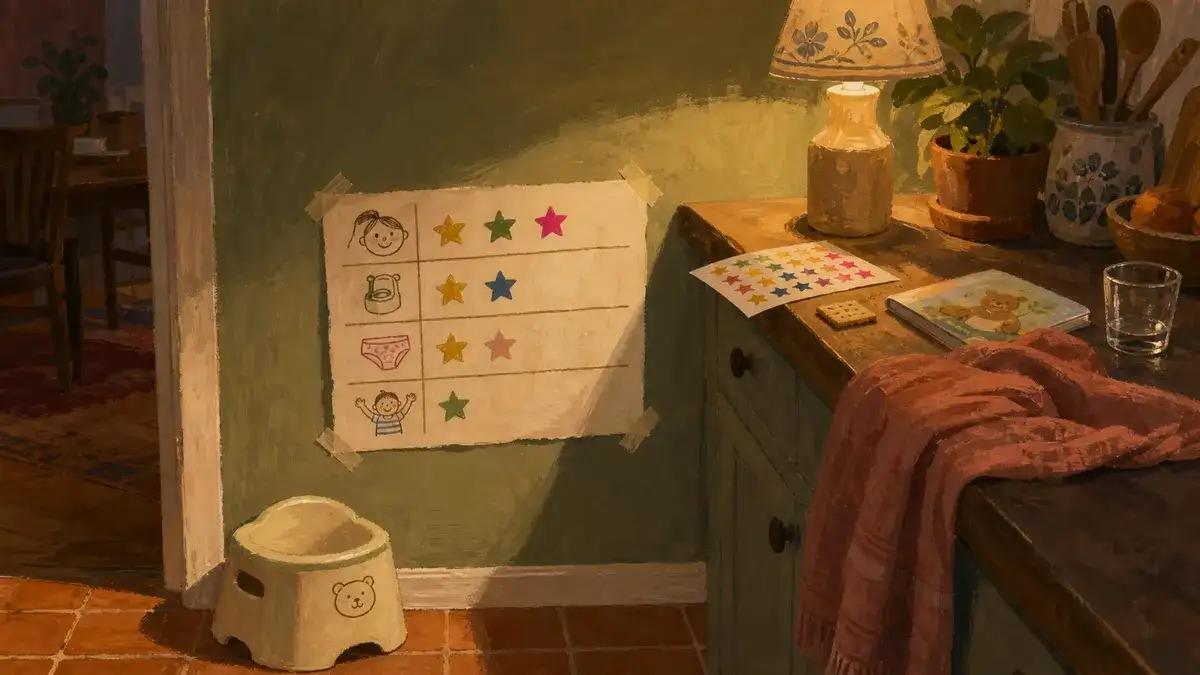
A potty training chart is a grid your kid fills in, one sticker per potty win, until a row earns them something they actually wanted. The chart makes the progress visible. The sticker makes the moment feel like a tiny party. That combination is the whole reason it works on a toddler who could not care less about a clean diaper.
Routines & Charts, the latest
-
 Potty Training
Potty Training Reward Chart: 20 Ideas Under $3
Skip the toy aisle: build a potty training reward chart with 20 ideas under $3 you already own. Grab the plan that motivates a stubborn toddler.
-
 Potty Training
How to Potty Train a Boy (and How a Girl Differs)
How to potty train a boy in 3 to 6 months: the readiness signs, the step-by-step method, and the small things that differ for girls.
-
 Potty Training
Potty Training Sticker Chart Printable (Free Download)
Free potty training sticker chart printable that survives travel and routine resets. Print, sticker, reward, reuse anywhere. Download now.
-
 Potty Training
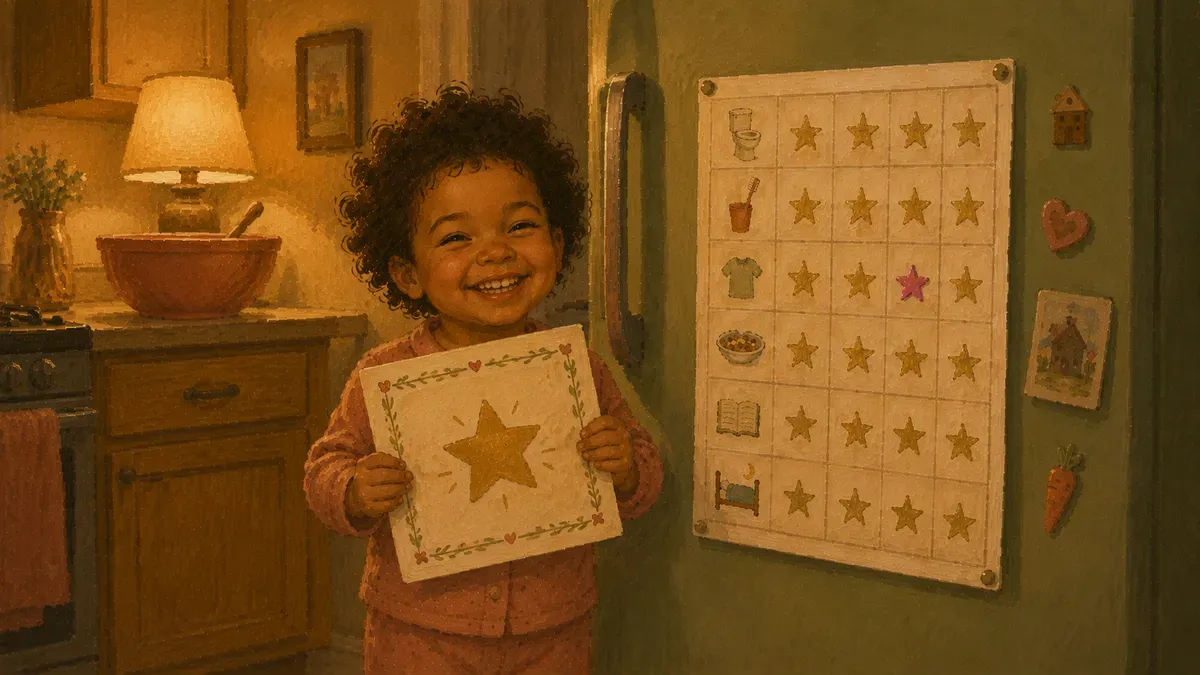
Potty Training Certificate: A Just-Do-This Guide
Charts skip the finish line. Make a potty training certificate that gets your toddler over the line for real. Print yours tonight.
-
 Potty Training
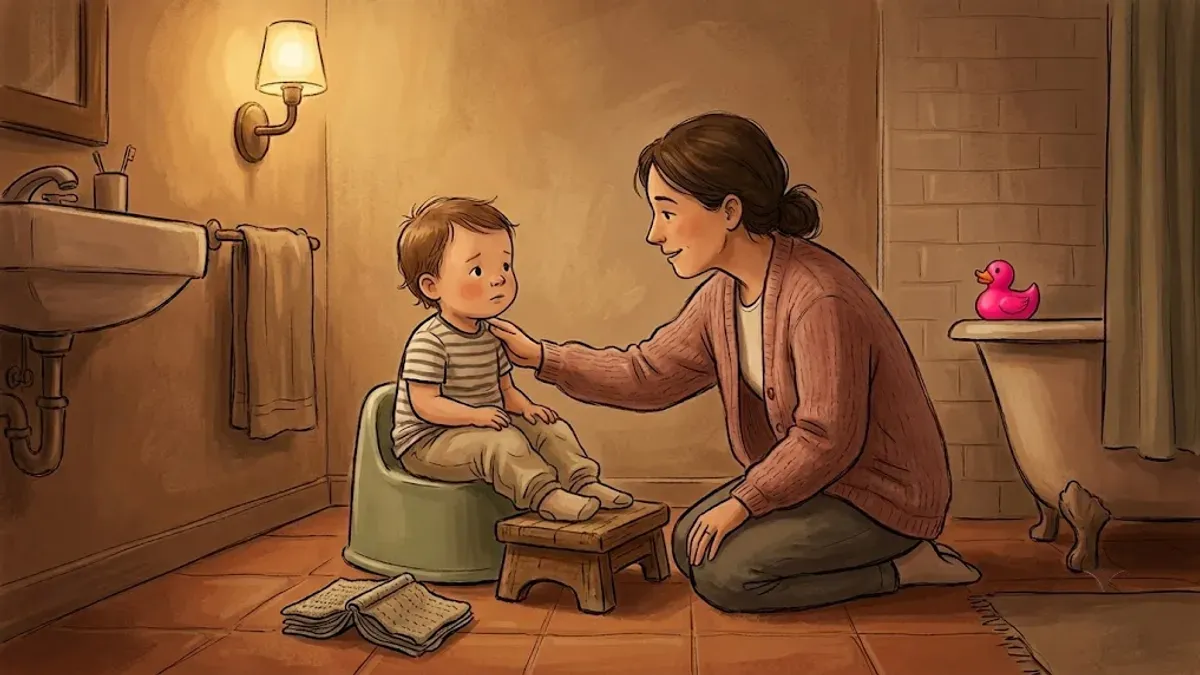
Poop in the Toilet: Why Kids Pee Fine but Won't Poop
Kid pees fine but won't poop in the toilet? Here's why it happens, plus the exact steps that fix it without a fight. Start tonight.
-
 Potty Training
How to Night Train Potty: Readiness & Real Steps
Most kids aren't ready when parents start. Learn how to night train potty, spot the real readiness signs, and dry nights follow.
-
 Potty Training
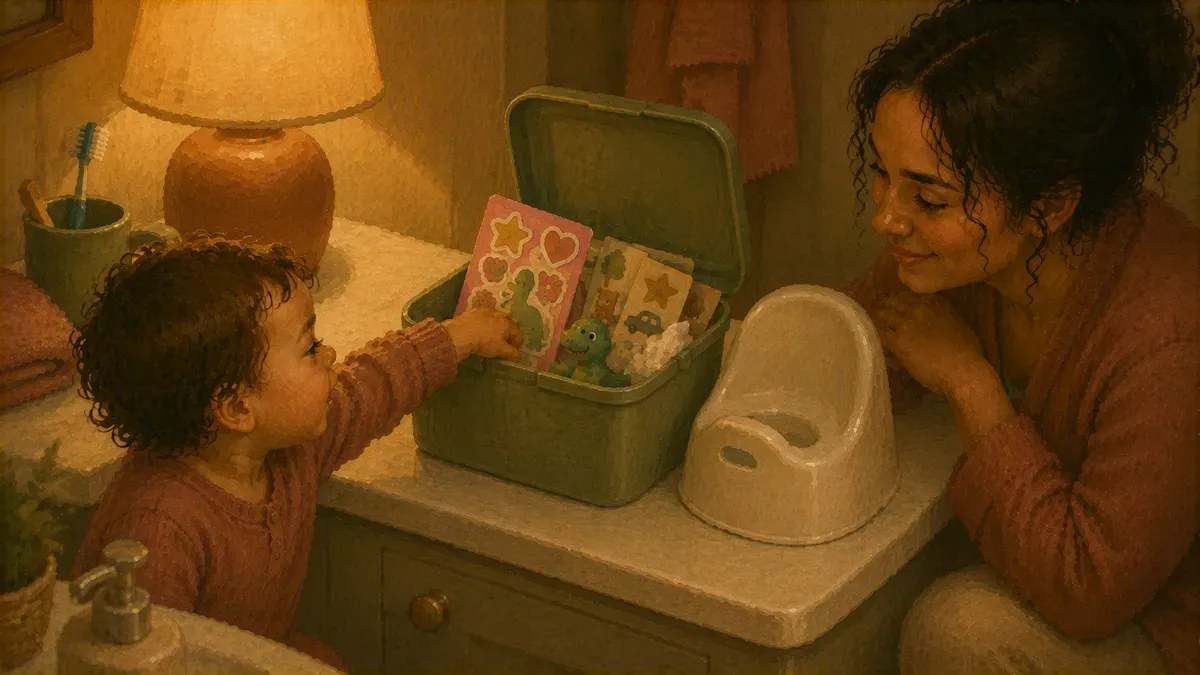
Potty Training Prizes: A Dollar Store Prize Box
Build a potty training prizes box from the dollar store that actually motivates. Prize ideas, what to stock, and when to stop. Start today.
-
 Potty Training
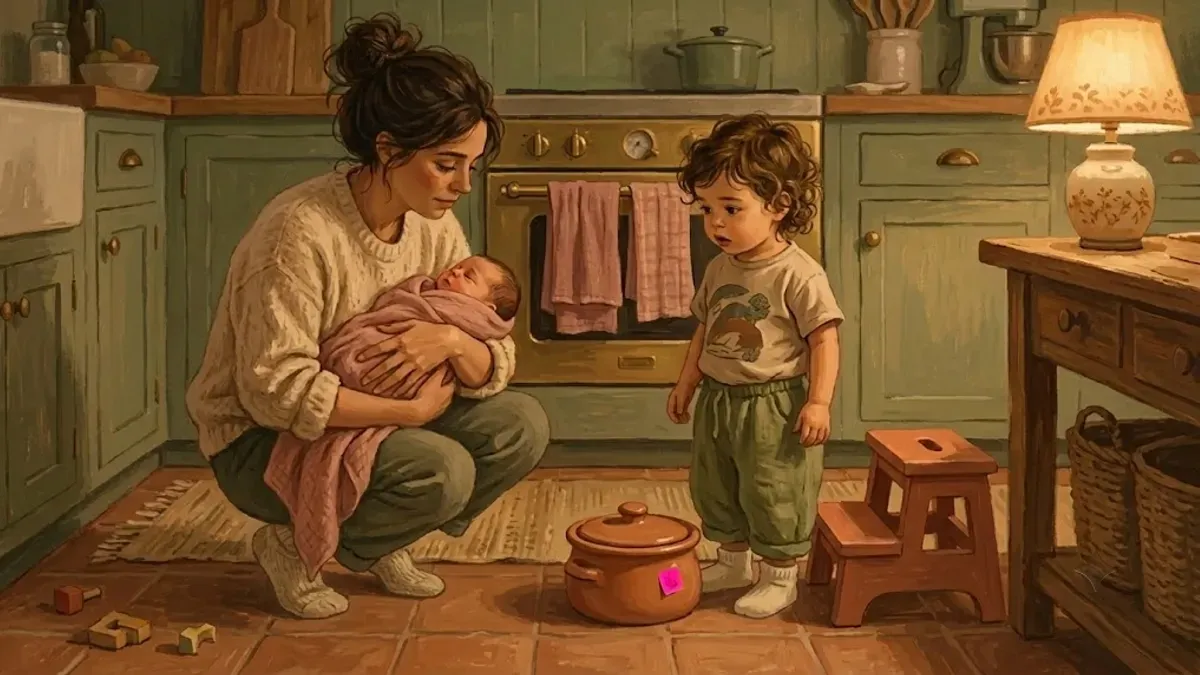
Potty Training Regression Age 3: Get Back on Track
New baby home and accidents are back? Here's the week-by-week plan to fix potty training regression age 3. Start tonight.
-
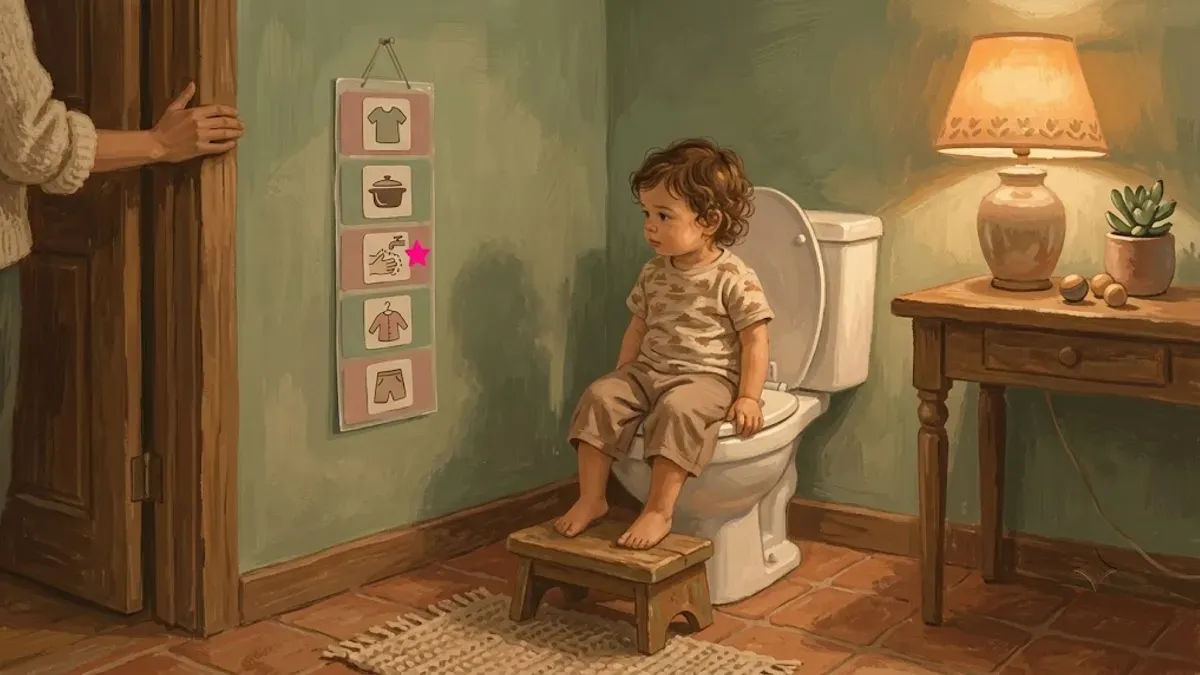 Potty Training
Potty Training Autism Spectrum: A Sensory-First Plan
Potty training autism spectrum guide: when sticker charts flop, switch to a sensory-first plan with data tracking and real rewards. Start here.
-
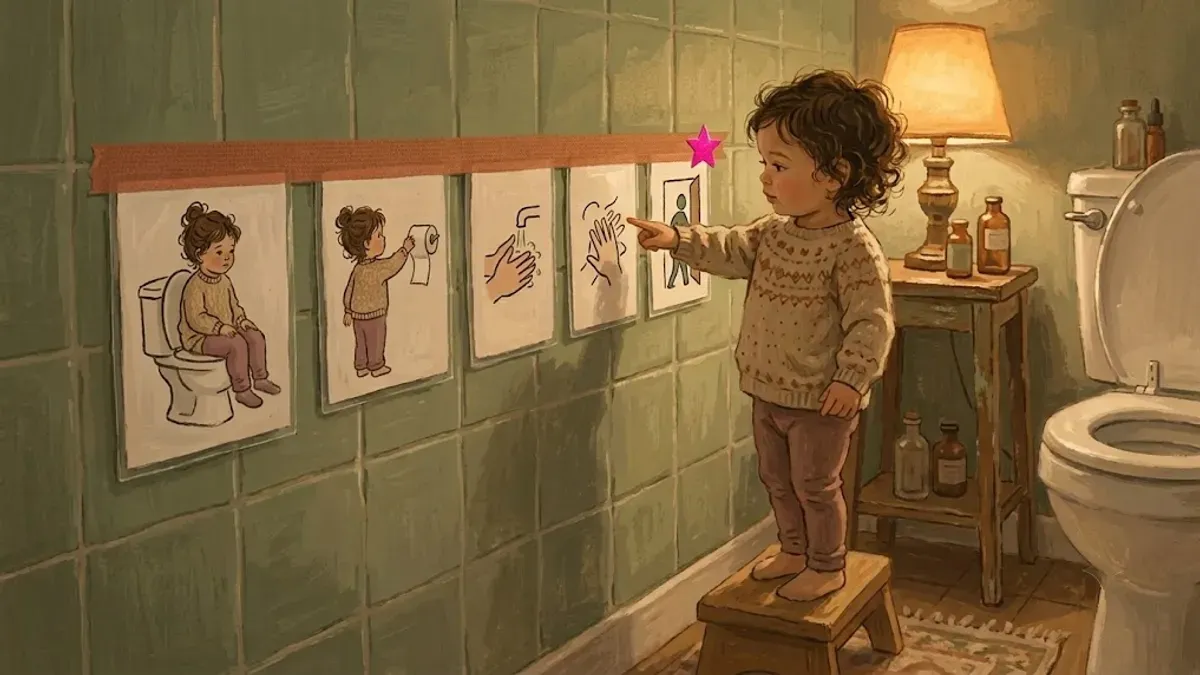 Potty Training
Potty Training Visual Schedule for Nonverbal Kids
Build a potty training visual schedule your nonverbal toddler can actually follow. Picture cards, signs, and social stories that replace 'potty.'
-
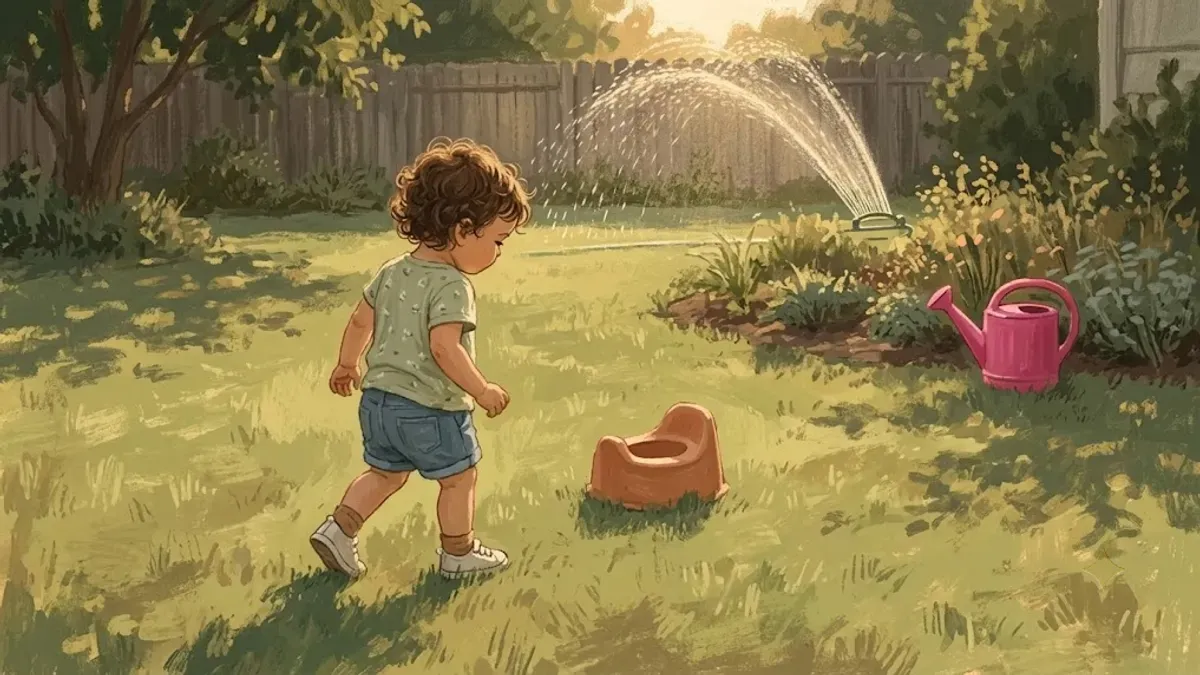 Potty Training
Summer Potty Training Toilet Tips: Why Warm Weather Works
Summer potty training goes faster. Fewer clothes and outdoor time let the naked method thrive. Start your summer potty training toilet plan.
-
 Potty Training
Signs Your Child Is Not Ready for Potty Training
Most potty fights aren't willpower. Spot the signs your child is not ready for potty training and when to pause and retry.
-
 Potty Training
3 Day Potty Training Method: An Honest Day-by-Day Guide
Day 2 is the one nobody warns you about. The 3 day potty training method, honestly hour by hour, accidents and all. Start here.
-
 Potty Training
Train Potty Book Picks + a Calm 2-Year-Old Plan
The right train potty book makes a stubborn 2-year-old want the potty. Get the picks, the gear, and a calm plan to start today.
-
 Potty Training
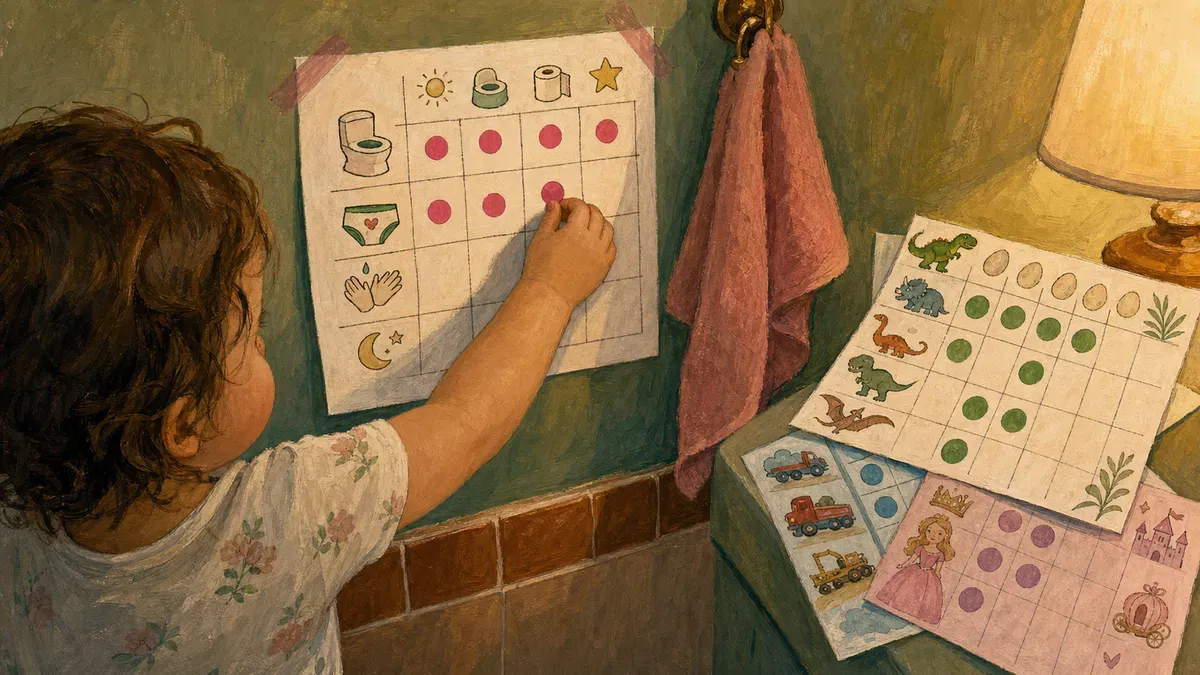
Paw Patrol Potty Training: Theme It So It Sticks
Paw Patrol potty training that sticks: turn the chart into a mission your toddler begs to finish. Plus dinosaur, truck, and princess swaps.
-
 Potty Training
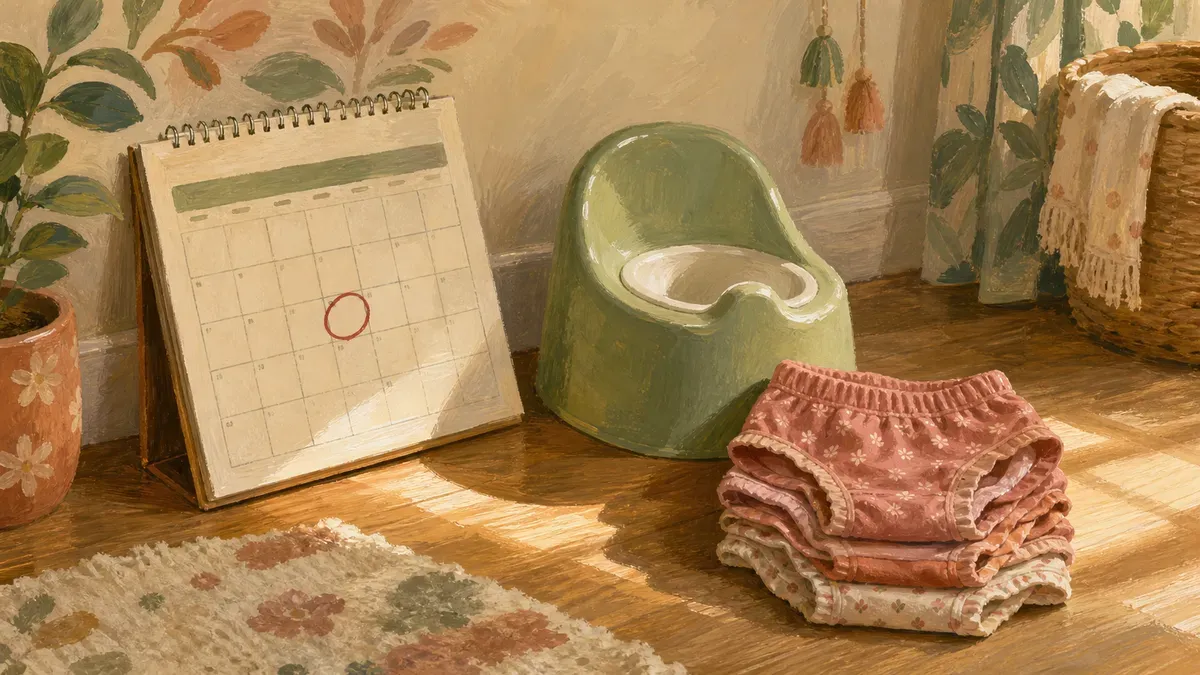
Preschool Potty Training: Your Late-Summer Timeline
Preschool starts soon and your toddler's still in diapers? Get the week-by-week potty training timeline to beat the deadline. Start today.
-
 Potty Training
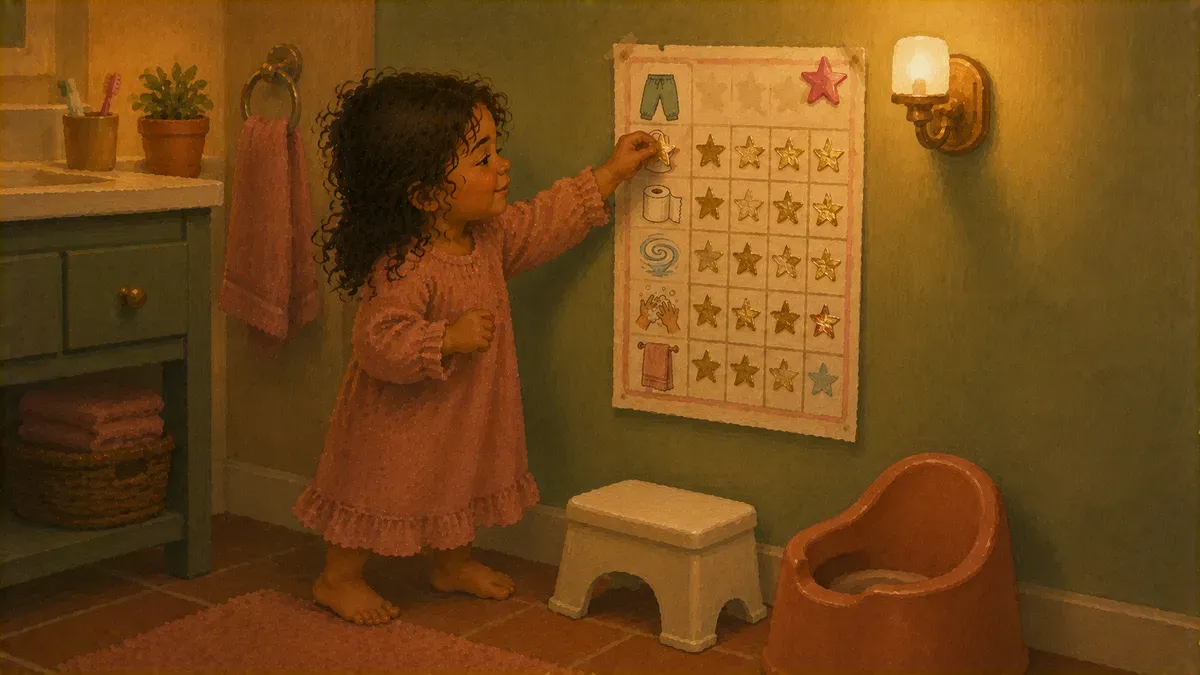
Potty Training Chart Ideas That Actually Work on Toddlers
Most potty charts flop on stubborn toddlers. These potty training chart ideas finally clicked for my stubborn two-year-old. Steal them.
-
 Potty Training
Daycare Potty Training: Fix the Home-to-Daycare Gap
Your toddler nails the potty at home but has accidents at daycare? Here's the daycare potty training fix to close the gap fast.
-
 Potty Training
3 Year Old Not Potty Trained? End the Power Struggle
3 year old not potty trained and digging in their heels? Calm, no-fight scripts and steps to stop the daily battle. Start tonight.
-
 Potty Training
ADHD and Potty Training: When Charts Stop Working
Reward chart stopped working? ADHD and potty training needs novelty, timed sits, and body doubling. The tricks that actually stick.
-
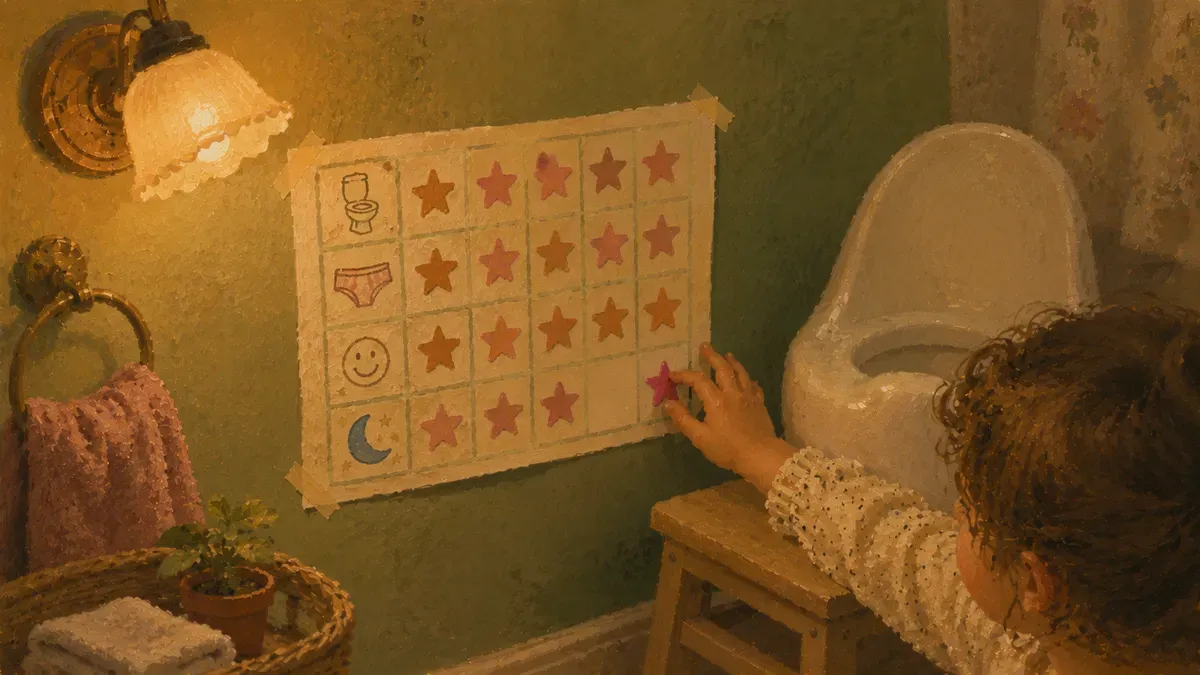 Potty Training
Potty Training Sticker Chart: How to Use One Right
Skip the candy. A potty training sticker chart turns toilet wins into real motivation in days. Set one up right and keep it working.
About this guide
This page is the chart side of potty training, not the training itself: how to set one up so it keeps pulling, what to stock the reward end with when stickers stop being enough, and the questions every parent hits around day four. If your kid is showing the readiness signs, around staying dry a couple of hours and telling you when they have gone, a chart gives that effort somewhere to land.
How to set up a potty training chart that keeps a toddler going
Pick a chart your kid already loves before you pick a pretty one. A truck grid, a dinosaur grid, the show they beg for, anything that makes them want to walk over and look at it counts for more than the design. The chart you stick with beats the chart that matches your kitchen.
Hang it at their eye level, right by the potty. Not on the fridge, not down the hall. The whole trick is that they see the empty square the second they sit down, and they see it fill the second they stand up.
Reward the moment, not the milestone. Toddlers do not grasp saving up, so a sticker goes on the instant they finish, every single time, with a real cheer behind it. The sticker landing right after the win is what builds the connection, not a prize three days out.
Set the bar low at first. One sticker for sitting on the potty, even with nothing in it, in the early days. You are paying for the attempt, then quietly raising the price to an actual pee once they are showing up willingly.
Put a bigger payoff at the end of a short row. Five or ten stickers earns a trip to the prize box or a favorite something, kept small and kept soon. A whole week is too far away for a two-year-old to feel it.
Fade it out on purpose once it sticks. When the potty becomes the habit and not the performance, you stretch the stickers thinner, then retire the chart. The goal was a kid who goes, not a kid who needs a sticker to go.
What to put on the reward side of the chart
- The instant win, every time:stickers (the obvious one), a hand stamp, a star drawn on with a marker, a high five plus a genuinely loud cheer. Free, immediate, and for a lot of kids the sticker building up is the whole reward. Start here before you spend a cent.
- The small prize at the end of a row:a dollar-store prize box, one bouncy ball or sticker sheet, a few extra minutes of their show, choosing dinner, a special snack. Earned after five or ten wins, kept little and kept close. Here is how to fill a dollar-store prize box without it turning into a toy haul. The point is something they can picture from the potty, not a toy a week away.
- The novelty reset when the chart goes stale:swap the theme, switch stickers for a stamp, let them pick the next prize, move to a brand-new chart. A chart that stops working usually stopped being interesting, not stopped being needed. A fresh hook buys you another stretch.
Keep the reward small and keep it about the potty, not about being good or bad. Praise the effort, not just the result, so a dry-but-tried day still earns the cheer. Rewards and charts are a motivation tool, not a fix for a kid who is not ready yet or who suddenly regresses, and constipation, pain, or holding it are worth a call to your pediatrician rather than a bigger prize.
Quick answers on this one
Do potty training sticker charts actually work?
For a lot of kids, yes, because they turn an invisible job into something a toddler can see and feel proud of. The sticker right after a win, plus a real cheer, builds the link between sitting on the potty and good things happening. They work best at the very start, while your kid is still learning the potty is even an option, and they work best when the kid is genuinely ready. A chart will not train a kid who is not there yet, it just gives a ready kid a reason to keep showing up.
What age is a sticker chart good for?
Most kids land in the potty training window somewhere between eighteen months and three years, and a sticker chart fits anywhere in there once they can follow a simple instruction and care about a reward. Daytime dryness comes later than people expect, with median ages around 32 to 35 months, so do not panic if your two-year-old is still mid-chart. You are following their readiness, not a calendar.
Should I use stickers or candy as a potty reward?
Start with the sticker and the cheer, because the immediate, free reward does most of the work and pediatric guidance leans on praise over treats. If your kid needs more, a small prize from a box after a few wins motivates without leaning on candy every single time. For a list, here are twenty reward ideas under three dollars. Keep whatever you pick small and immediate. A two-year-old cannot picture a treat they earn next week, so the reward has to land close to the win.
My potty chart stopped working. What now?
Usually the chart did not fail, it got boring. Swap the theme, trade stickers for a stamp, let your kid choose the next prize, or start a fresh chart, because novelty is what brings the pull back. If the wins dried up after a new sibling, a move, or an illness, that is regression, and it is normal, so reset the chart and lower the bar again for a bit. When a kid is withholding, in pain, or constipated, that is a pediatrician question, not a chart one.
How long should we keep the chart up?
Only as long as it is helping. Once going to the potty becomes the habit instead of a thing they perform for a sticker, start stretching the stickers thinner and then put the chart away. Most families run one for a few weeks to a couple of months. If you have been at it a long time with no traction, that is usually a readiness signal, not a sign you need a fancier chart.
Free printables, coming soon
Want these as printables?
I am slowly turning activities like these into free print-and-go pages. Tell me where to send them and you will get an email the day each one is ready.
One email when there's something worth printing. Unsubscribe anytime.