Twenty quiet minutes, give or take
Playdough activities and printable mats
No-cook recipes and printable mats that turn a plain blob into quiet time.
Playdough
noun
Playdough is a soft, squishable dough your kid rolls, pinches, pokes, and flattens, and that squishing is doing real work. Every pinch and roll builds the little hand muscles behind a good pencil grip later on. You can buy a tub for a couple of dollars or mix a batch on the stove in five minutes from flour, salt, oil, and water. Either one earns its keep.
Sensory Play, the latest
-
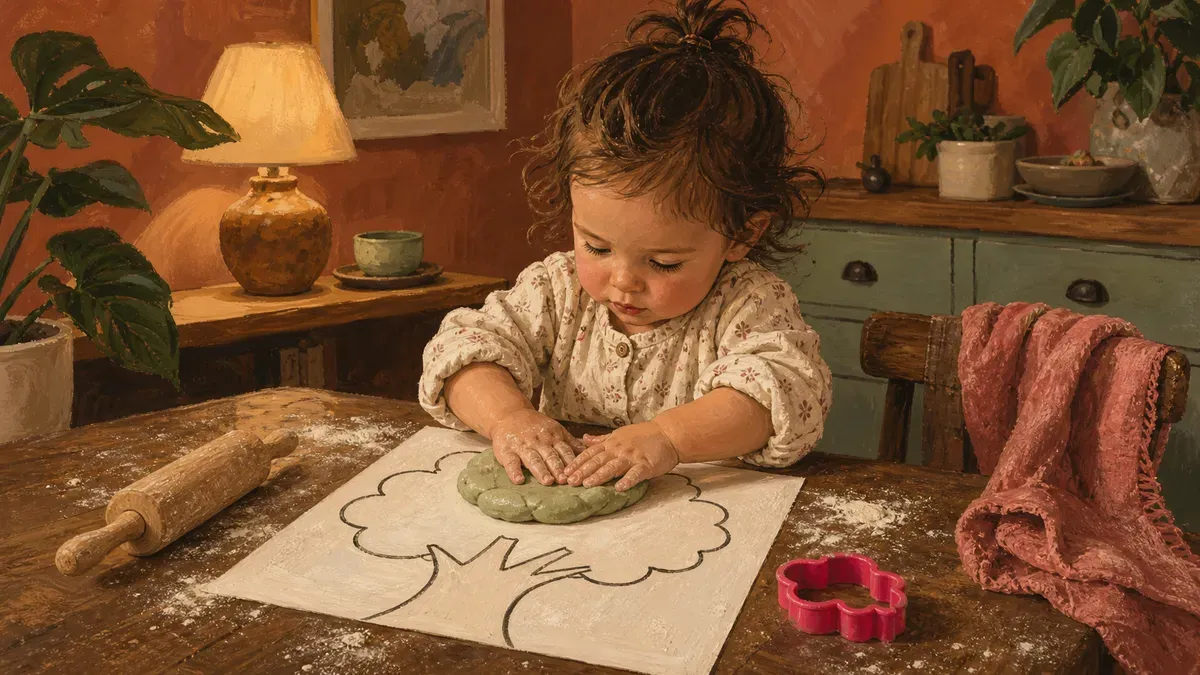 Playdough
What Is a Play Dough? Beginner's Guide to Mats
What is play dough, and how do mats turn squishing into real learning? Plain-English answers plus age-by-age starter ideas.
-
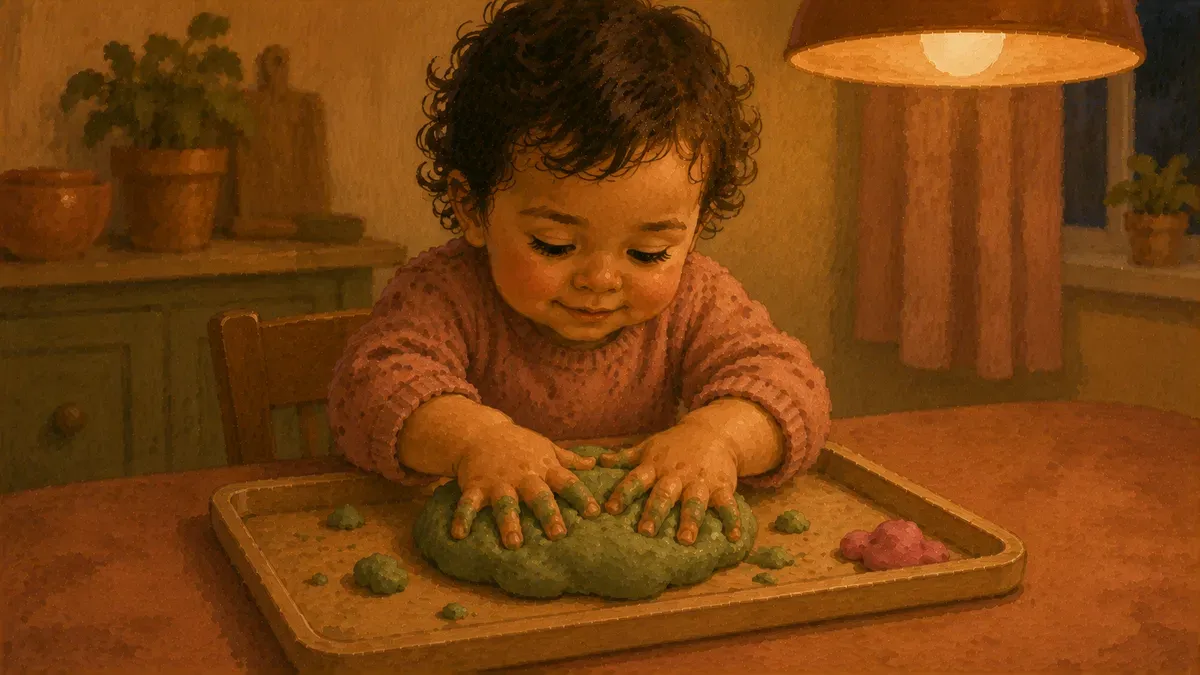 Playdough
Play Doh for 2 Year Olds: Setups That Run Themselves
Most 2-year-olds eat play doh before they shape it. Here's how to set up play doh for 2 year olds so they play. Start in 3 steps.
-
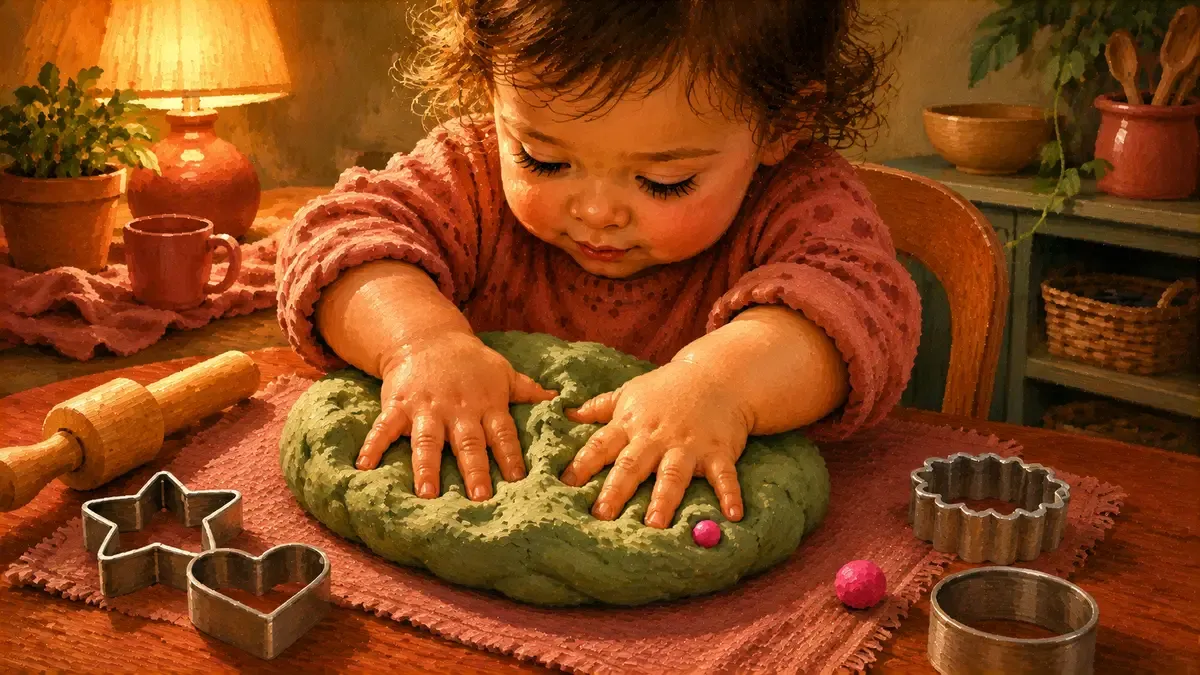 Playdough
Playing With Playdough Fine Motor Skills That Last
Playing with playdough fine motor skills do more than entertain - they build the exact hand strength kids need to hold a pencil. See how, and try it.
-
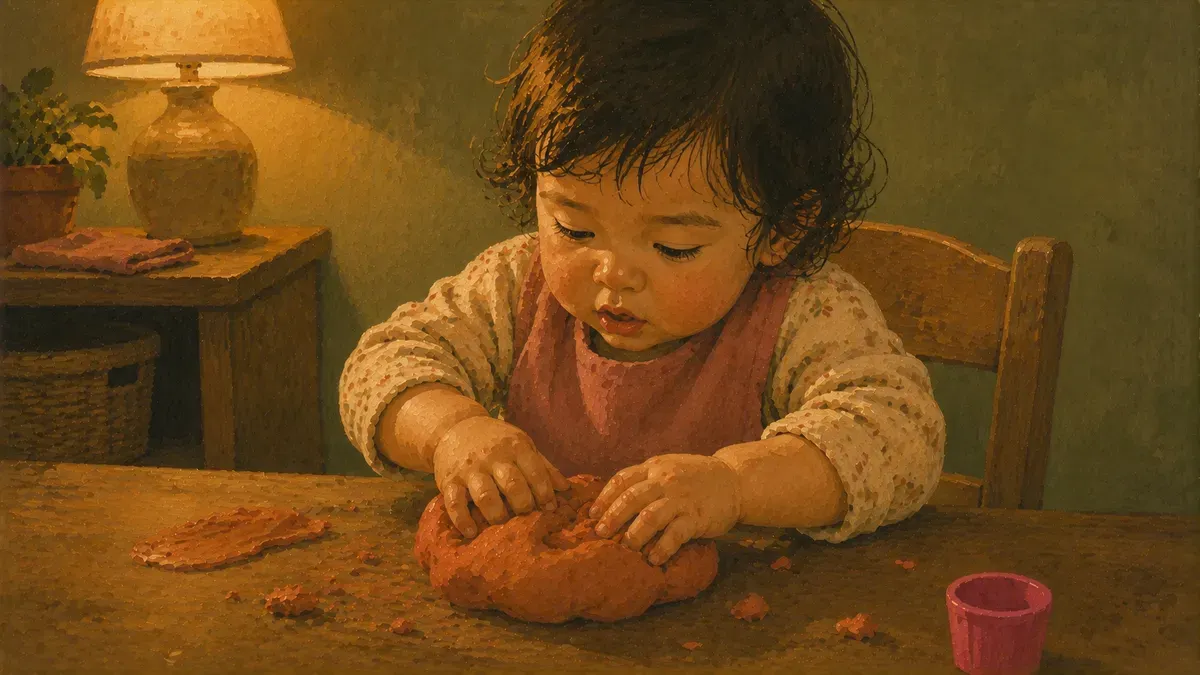 Playdough
Play Doh Age: Signs Your Toddler Is Really Ready
Most parents wait too long. Play doh age starts at 2, but one readiness sign matters more than the number. Learn when and how to start today.
-
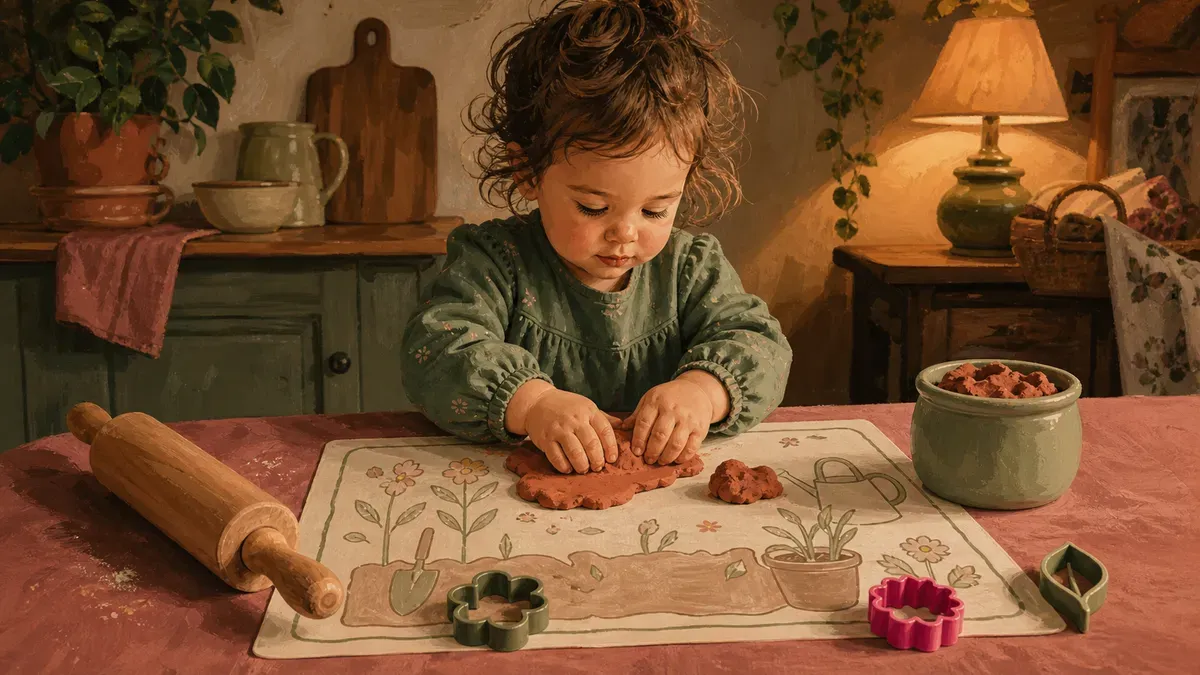 Playdough
Play Dough Creations: 10 Fresh Mat Themes to Try
Bored of the same three setups? These 10 play dough creations and mat themes pull kids back to the table. Pick one and prep tonight.
-
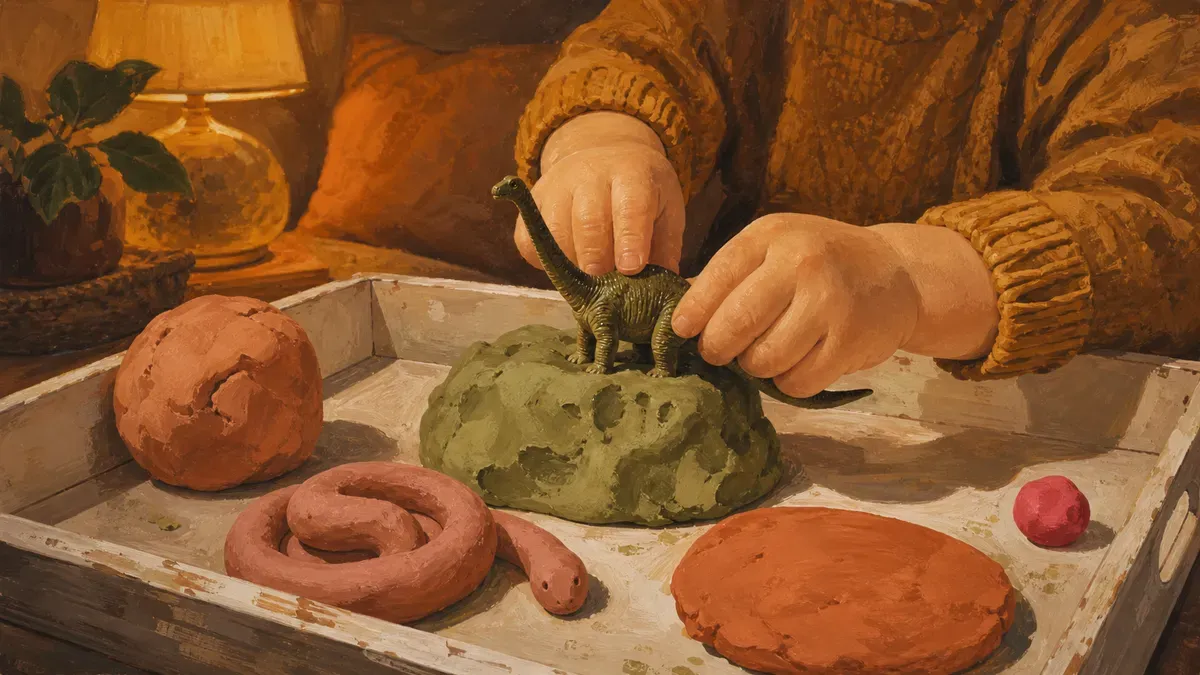 Playdough
20 Play Dough Things to Make With Toddlers Today
20 play dough things to make that actually hold a toddler's attention for 30-plus minutes. Quick setups, zero fuss, real engagement every time.
About this guide
This page is the dough, not the broad sensory stuff. How to make a soft no-cook batch, how to set out an invitation to play a toddler will actually sit for, and how a printable mat turns a plain blob into twenty quiet minutes. Around age two is the usual starting line, once a kid is more interested in squishing it than eating it. For the whole "is my kid ready" question, the readiness signs that actually matter count for more than the birthday on the calendar.
How to set out playdough a toddler will actually stay for
Start with soft dough. Store-bought is fine, but a warm no-cook batch is softer and cheaper: two cups flour, half a cup of salt, two tablespoons of oil, a packet or two of unsweetened drink mix or a few drops of food coloring, and roughly a cup of just-boiled water stirred in. Knead it on the counter until it stops sticking.
Give it one job, not ten. A toddler freezes in front of a blob with no plan. Hand them a ball plus one prompt: press your handprints in, hide these buttons and dig them out, roll snakes and cut them. One idea is plenty.
Add three tools, not the whole drawer. A child-safe plastic knife, a small rolling pin, and cookie cutters cover most of it. Kitchen junk works just as well: a garlic press for "hair," a fork for texture, bottle caps for stamping.
Slide a printable mat under it. A laminated mat (or one in a page protector) gives the dough a point. Roll five meatballs onto the spaghetti, build the caterpillar body, fill in the numbers. These themed mats worth printing are the ones that pull a bored kid back to the table.
Let them lead and sit back. If they smash it flat and start over forty times, that is the activity working, not failing. Skill building hides in the repetition, not in a finished masterpiece. If you want the why, here is how playdough quietly builds hand strength.
Pinch it back into a ball and store it airtight. Pop it in a zip bag or a lidded container and a homemade batch keeps soft for a few weeks. Dried and crumbly means it is time to mix a fresh one, which takes the same five minutes.
What to add to playdough, sorted by what it builds
- Hand-strength and grip work:rolling pins, cookie cutters, a child-safe knife, a garlic press, plastic scissors for snipping snakes. The squeezing and cutting is where the muscle behind a pencil grip gets built, one snake at a time.
- Loose parts to hide and find:large buttons, pony beads, dry pasta, pom-poms, plastic gems, googly eyes, small pinecones. Press them in, let your kid dig them out. Good for a wandering toddler who needs a reason to keep their hands in it.
- Printable mats and themed play:number mats, letter mats, feed-the-monster faces, roll-a-snake lines, seasonal cutters and stamps. A mat under the dough turns aimless squishing into counting, naming, or building, no worksheet feel required.
Two honest notes. Homemade dough is salty, so it is not taste-safe like a baby bin: Play-Doh and most flour-salt recipes are labeled for ages two and up, a big swallow can cause a mild upset stomach, and it is a choking risk for a kid who still mouths everything, so stay within reach. Skip any homemade recipe that uses borax as a preservative, since it can be toxic if a large amount is swallowed. None of this is a substitute for your pediatrician or poison control, who are the call for any real worry. For a baby under two who tastes everything, an edible taste-safe setup is the safer place to start.
Quick answers on this one
What age can a toddler start playing with playdough?
Around age two is the standard starting point, and it is the age Play-Doh and most flour-salt recipes are labeled for. The number matters less than the readiness sign: when a kid is more interested in squishing the dough than eating it, they are ready. Until then, stay right there and keep it out of the mouth.
Is homemade playdough taste-safe for babies?
No. A classic flour-and-salt batch is too salty to count as taste-safe, and a big mouthful can cause a mild stomach upset, so it is not made for a baby who still mouths everything. For a kid under two, an edible taste-safe setup is the safer call. Save the salt-dough for the toddler who plays with it instead of snacking on it.
How do I make soft playdough that does not dry out?
A warm no-cook batch is the softest: two cups flour, half a cup salt, two tablespoons oil, color, and about a cup of just-boiled water, kneaded until smooth. The oil keeps it pliable. Stored airtight in a zip bag or lidded container, it stays soft for a few weeks. Once it crumbles, mix a fresh batch in five minutes.
What are playdough mats and do they actually help?
A playdough mat is a printed sheet, usually laminated, that gives the dough a goal: roll meatballs onto the spaghetti, fill in a number, build a caterpillar. They turn open-ended squishing into counting, letters, or fine-motor practice without feeling like school, which is exactly why they pull a bored kid back to the table.
Does playdough actually build any skills, or is it just busy work?
It builds real ones. Rolling, pinching, and pounding strengthen the small hand muscles and the in-hand control behind holding a pencil, and occupational therapists lean on dough for exactly that. It also stretches focus and imagination. None of that is a fix for anything medical, just a genuinely useful way to buy twenty quiet minutes.
Free printables, coming soon
Want these as printables?
I am slowly turning activities like these into free print-and-go pages. Tell me where to send them and you will get an email the day each one is ready.
One email when there's something worth printing. Unsubscribe anytime.