The reset that lives under the sink
Sensory bins a toddler will actually dig into
A bin, a filler, a few scoops, all cheap and mostly from your pantry.
Sensory bins
noun
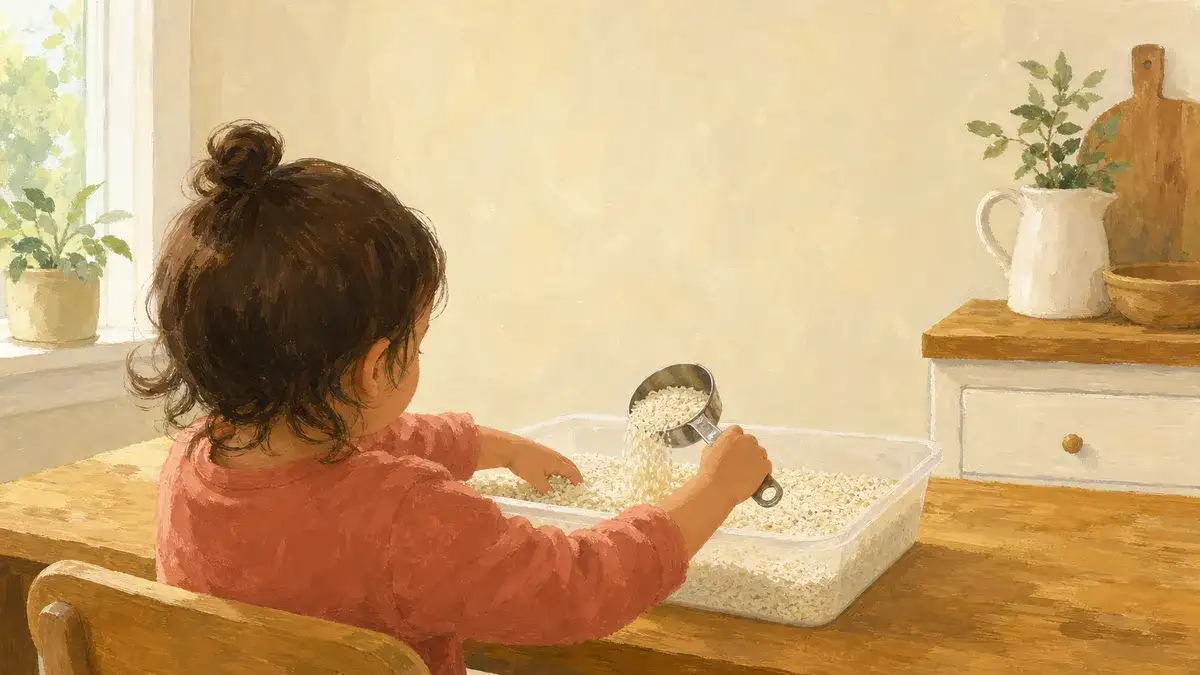
A sensory bin is a shallow tub of one filler, say rice, dried beans, or plain water, with a few scoops and a handful of small toys tossed in. That is it. No instructions, no right answer, just a kid with their hands in something and twenty minutes that run themselves.
Sensory Play, the latest
-
 Sensory Bins
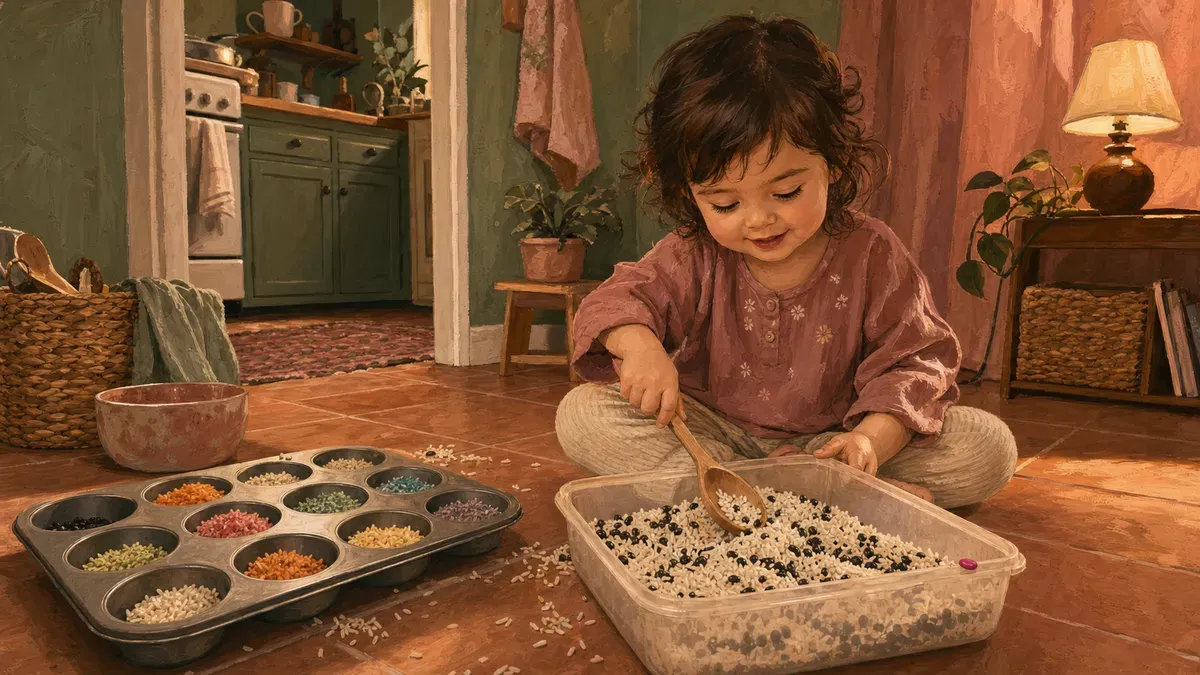
Sensory Bin Fillers: 20 Pantry Items You Own Now
Skip the craft store: 20 sensory bin fillers already in your pantry tonight, sorted by texture, mess level, and age. Start one in minutes.
-
 Sensory Bins
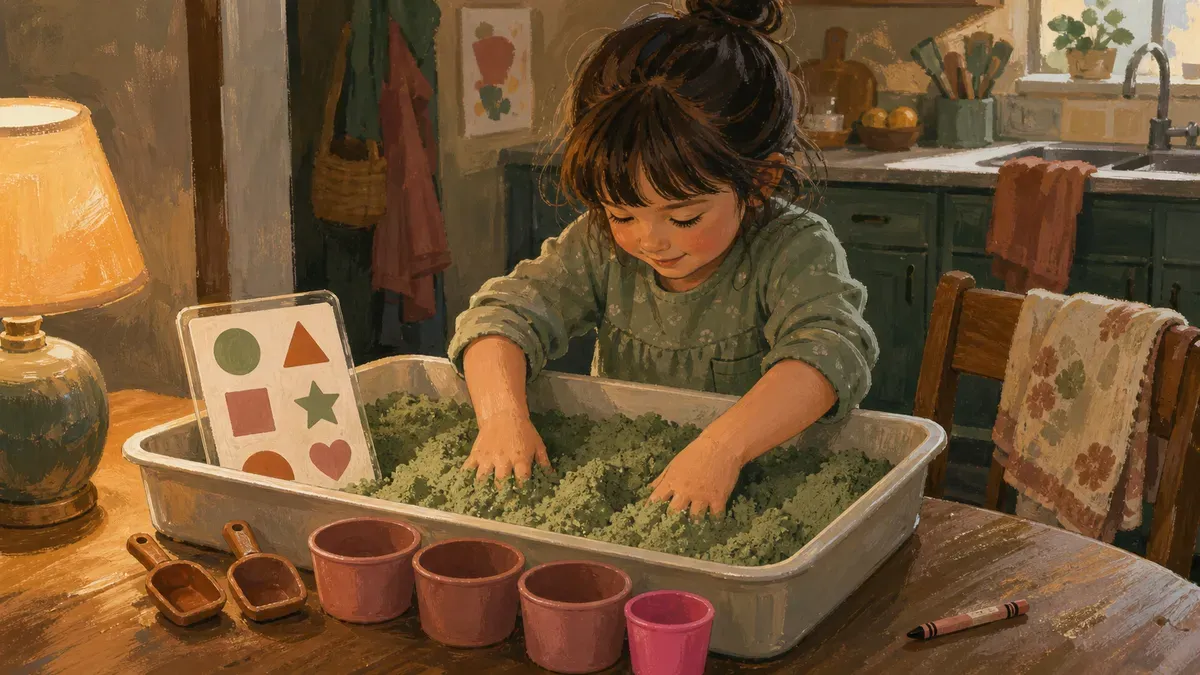
sensory integration occupational therapy intervention: ADHD
Turn sensory integration OT into a home calm-down bin for ADHD kids. Task cards, bin ideas, and a setup that works on the hard days.
-
 Sensory Bins
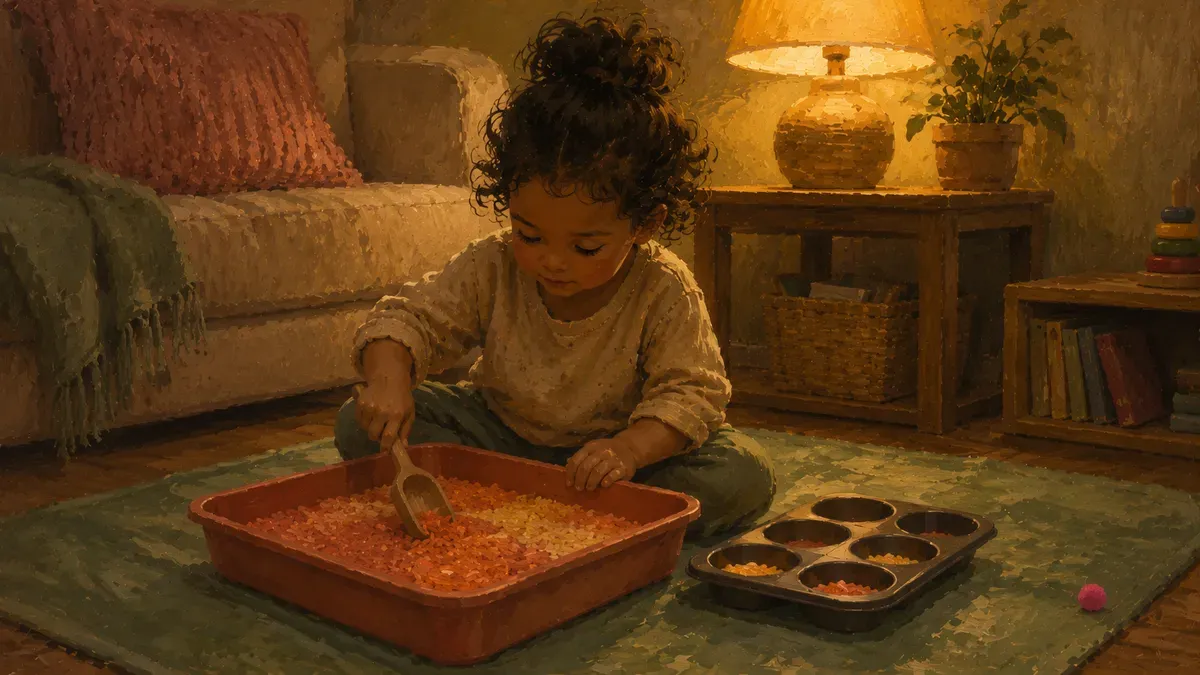
Indoor Sensory Play: 18 Low-Mess Setups That Work
Dreading the cleanup? These indoor sensory play setups stay on the mat, work in apartments, and reset in minutes. Start tonight.
-
 Sensory Bins
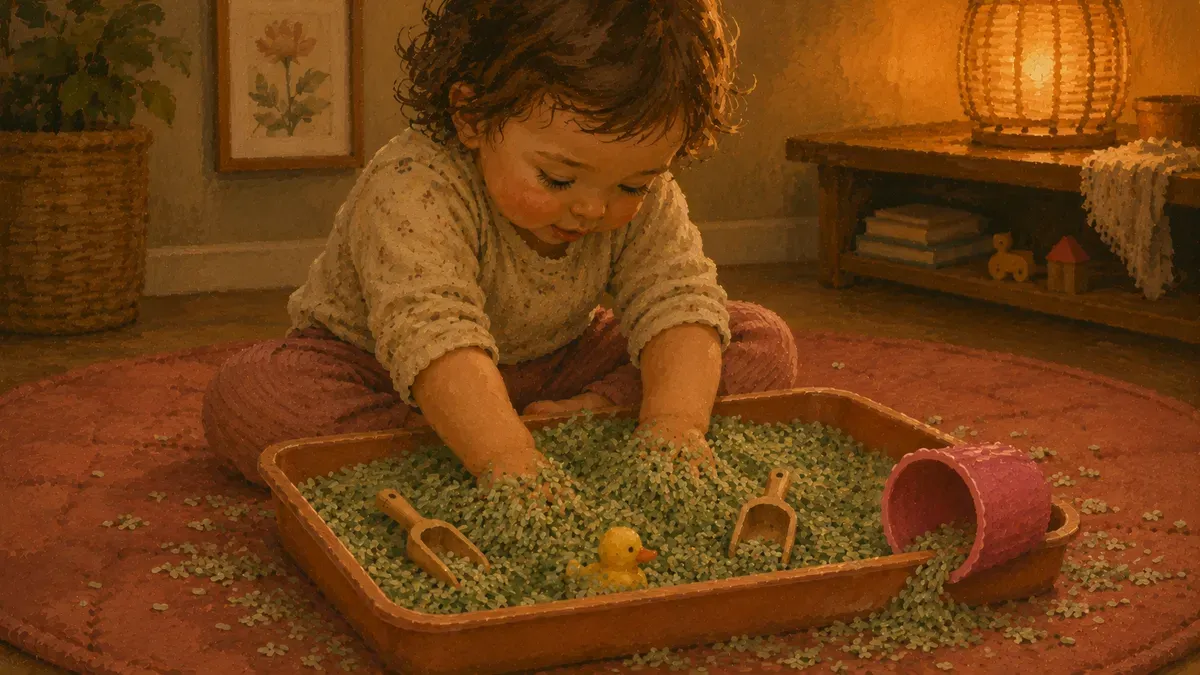
Sensory Play 2 Year Olds: 12 Bins That Hold Focus
Most sensory bins lose a 2-year-old in 90 seconds. These 12 sensory play ideas for 2 year olds actually hold attention. Start one tonight.
-
 Sensory Bins
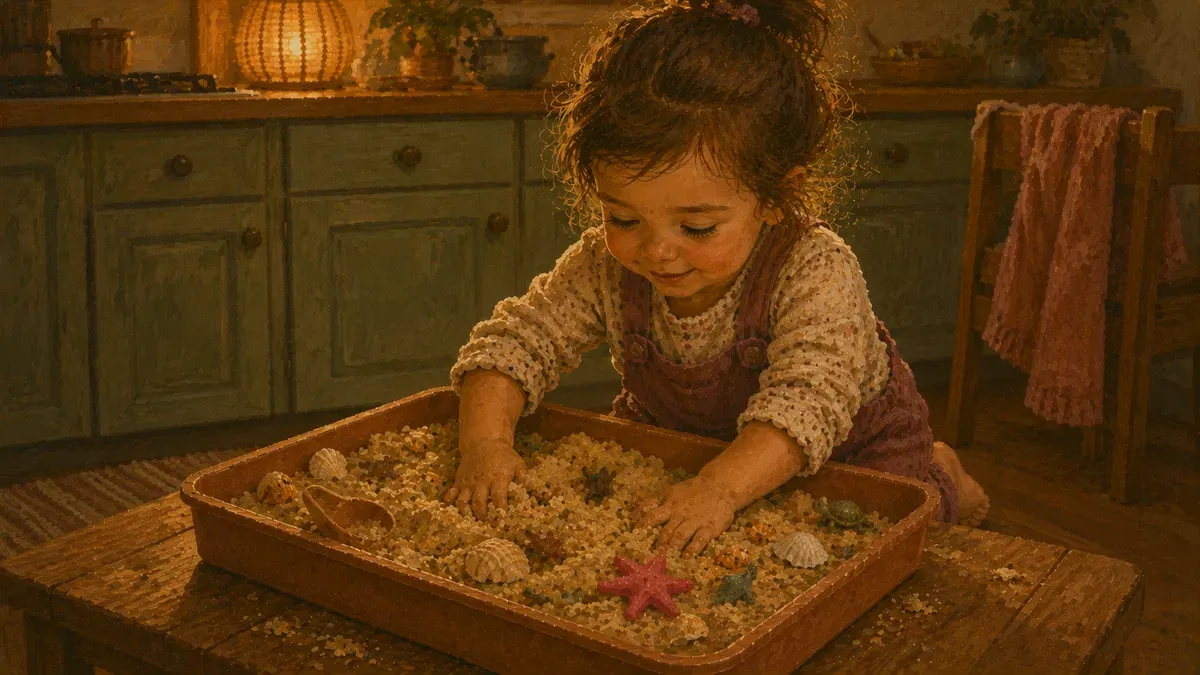
Sensory Activities for Preschoolers Bored of Rice
Sensory activities for preschoolers bored of plain rice: fresh fillers, themed bins, and skill-building twists. Try one today.
-
 Sensory Bins
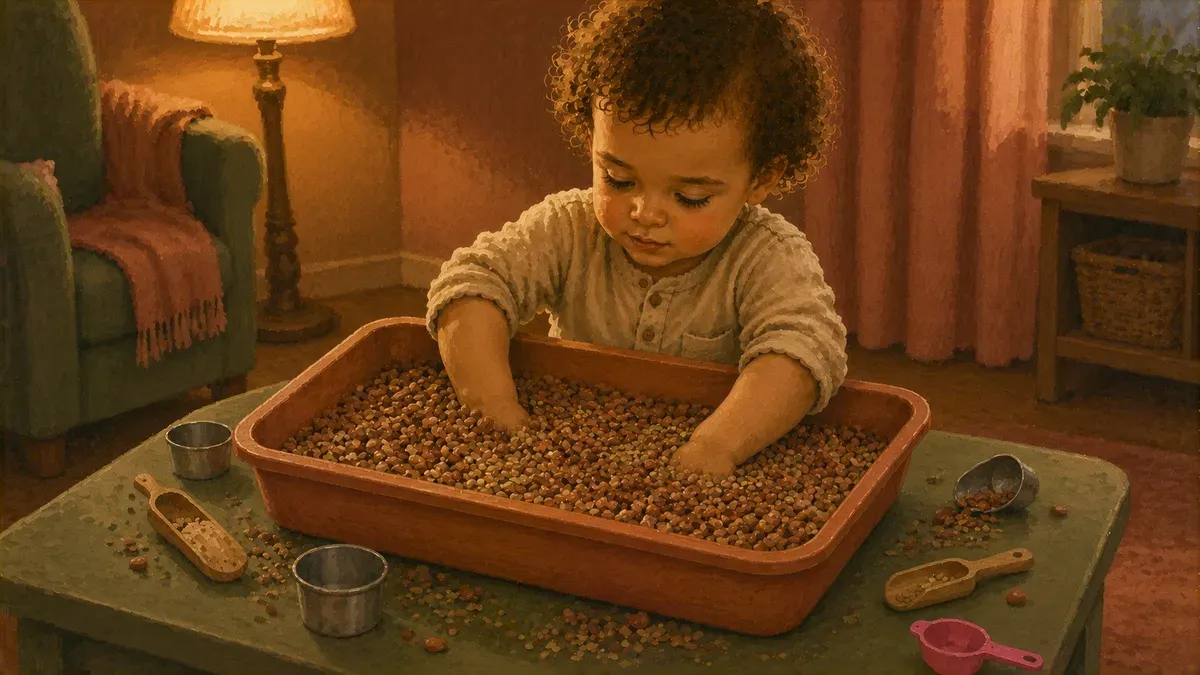
Sensory Stimulation Bins That Calm Sensory Seekers
Sensory stimulation that regulates: heavy, crunchy, and deep-pressure bin fillers that calm sensory seekers. Which textures soothe vs. rev up.
-
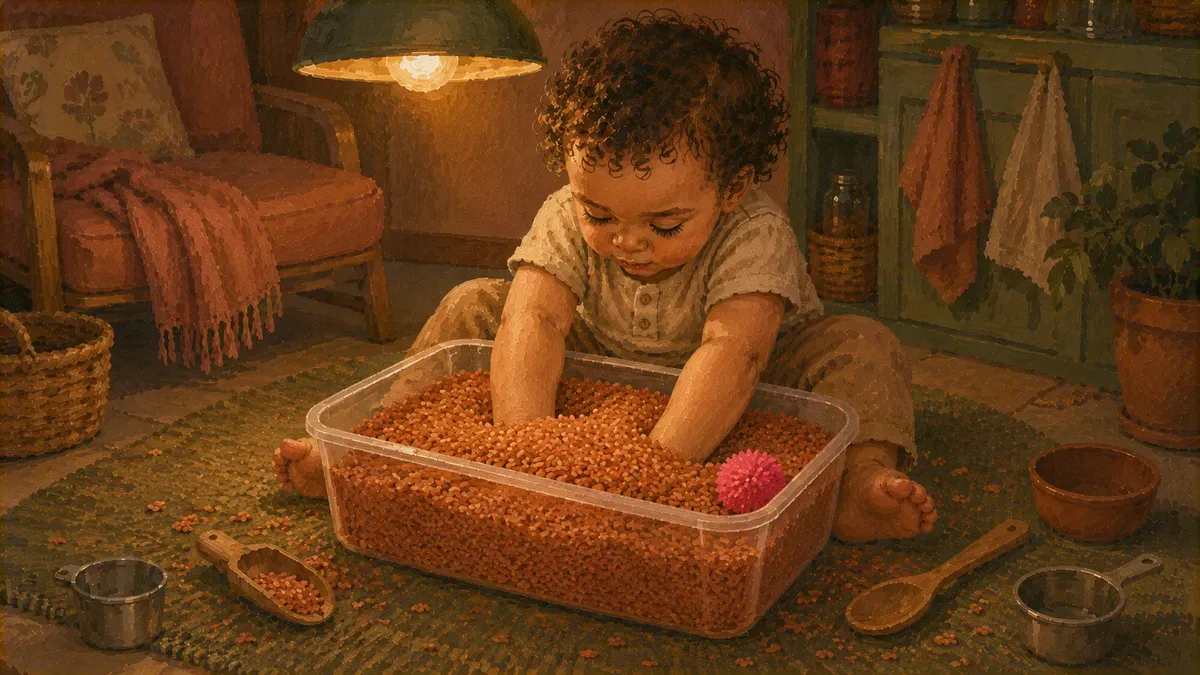 Sensory Bins
Sensory Bins for Toddlers: The Beginner's Guide
Never made a sensory bin? Start here. What goes in one, which fillers work best, and how to build your first bin in under 10 minutes.
-
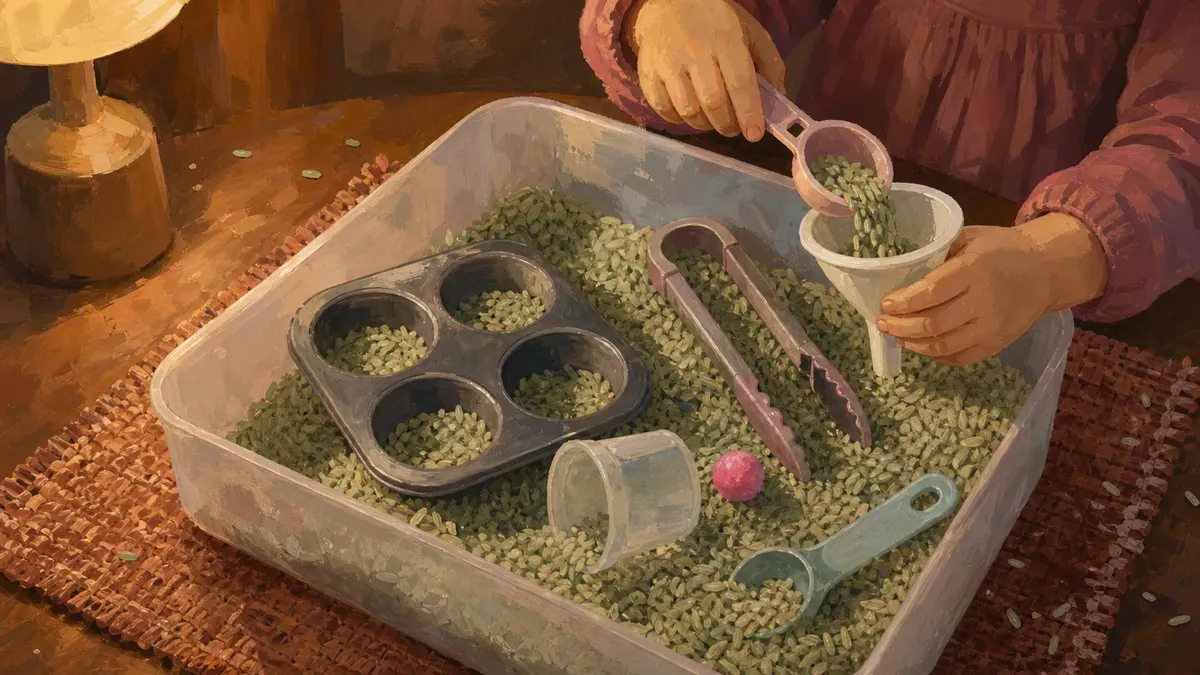 Sensory Bins
Sensory Play Toys: 15 Tools That Build Fine Motor
Skip the $40 toys. These 15 sensory play toys build pincer grasp and hand strength, and most cost a dollar. See which an OT reaches for.
-
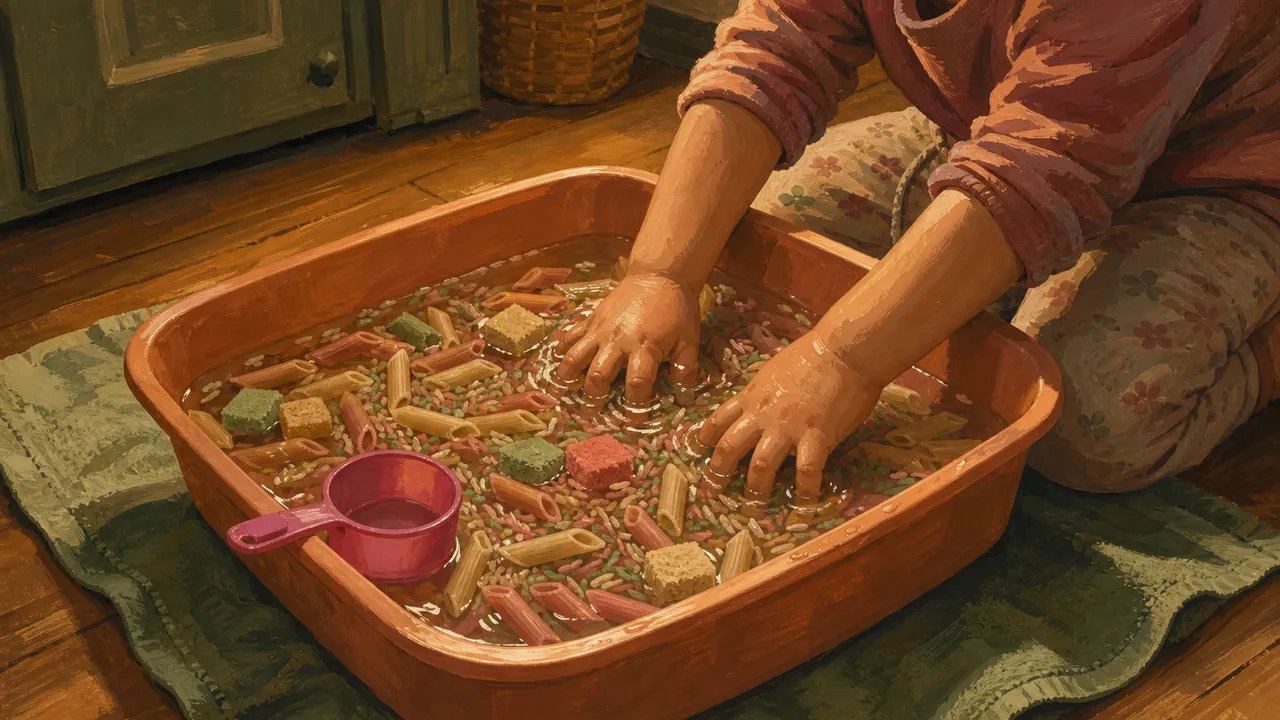 Sensory Bins
Water Sensory Bin Ideas Safer Than Water Beads
Water beads send thousands of kids to the ER. Set up a water sensory bin that feels just as cool minus the choking risk. Start in 5 minutes.
-
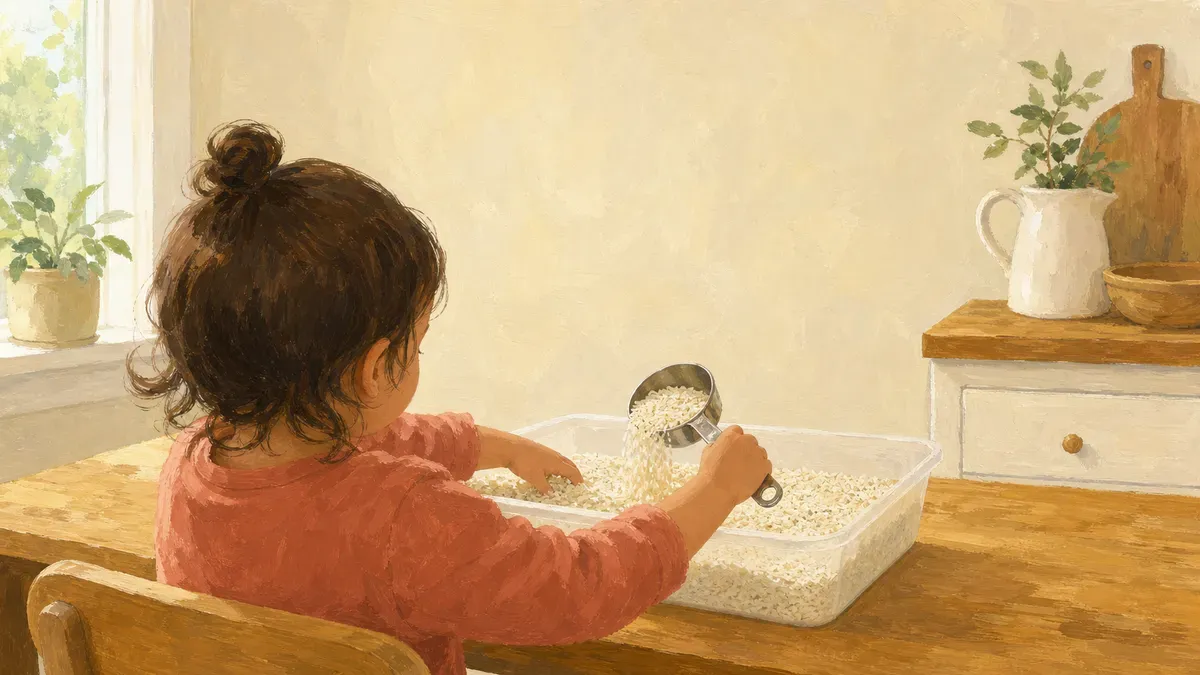 Sensory Bins
Easy Sensory Activities You Can Set Up in 10 Minutes
Toddler melting down and you've got 10 minutes? Easy sensory activities using pantry staples. Pick one, set it up, buy yourself some peace.
-
 Sensory Bins
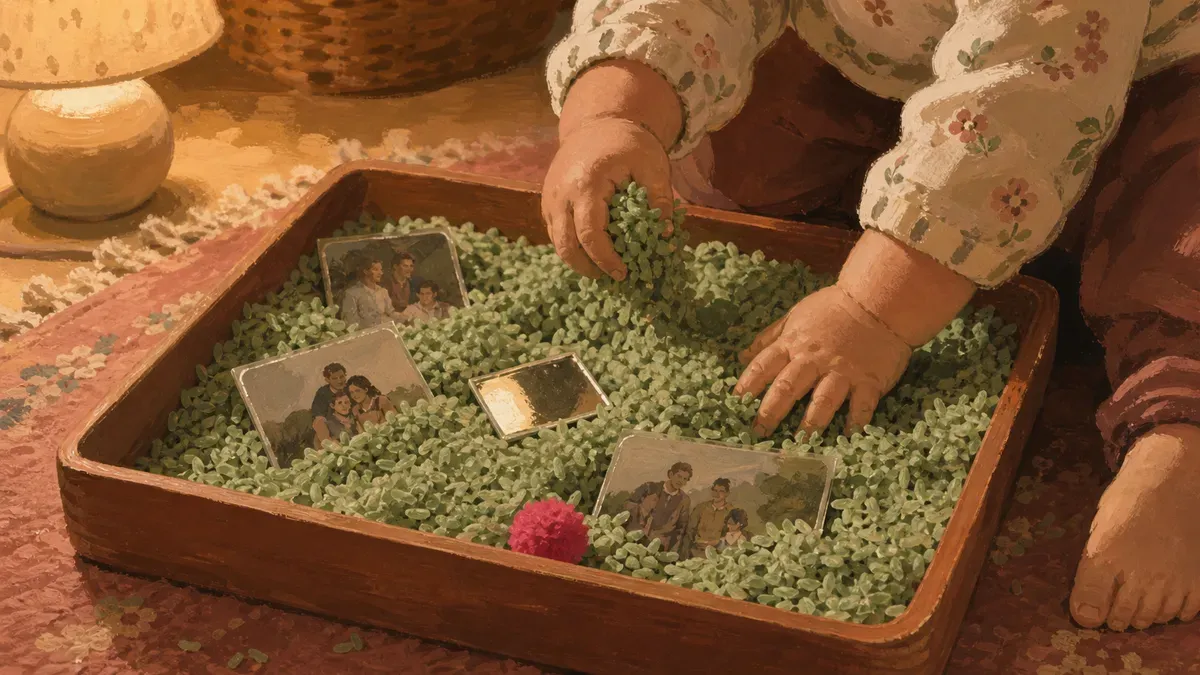
All About Me Sensory Bin + 29 More Toddler Themes
Out of ideas? The all about me sensory bin starts 30 themed setups toddlers actually play with. One a week, never wing it again.
-
 Sensory Bins
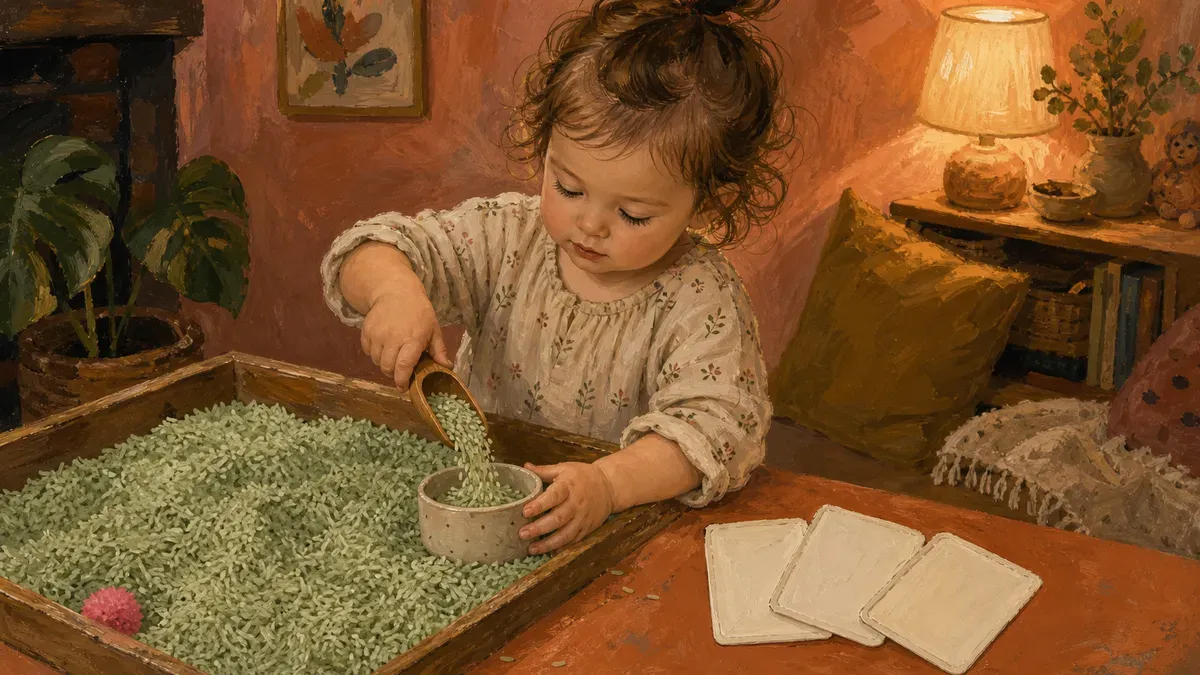
Sensory Table Activities: 25 Prompts That Last
Your toddler dumps the bin in 5 minutes? These 25 sensory table activities and task card prompts stretch one bin to a full 30. Start now.
-
 Sensory Bins
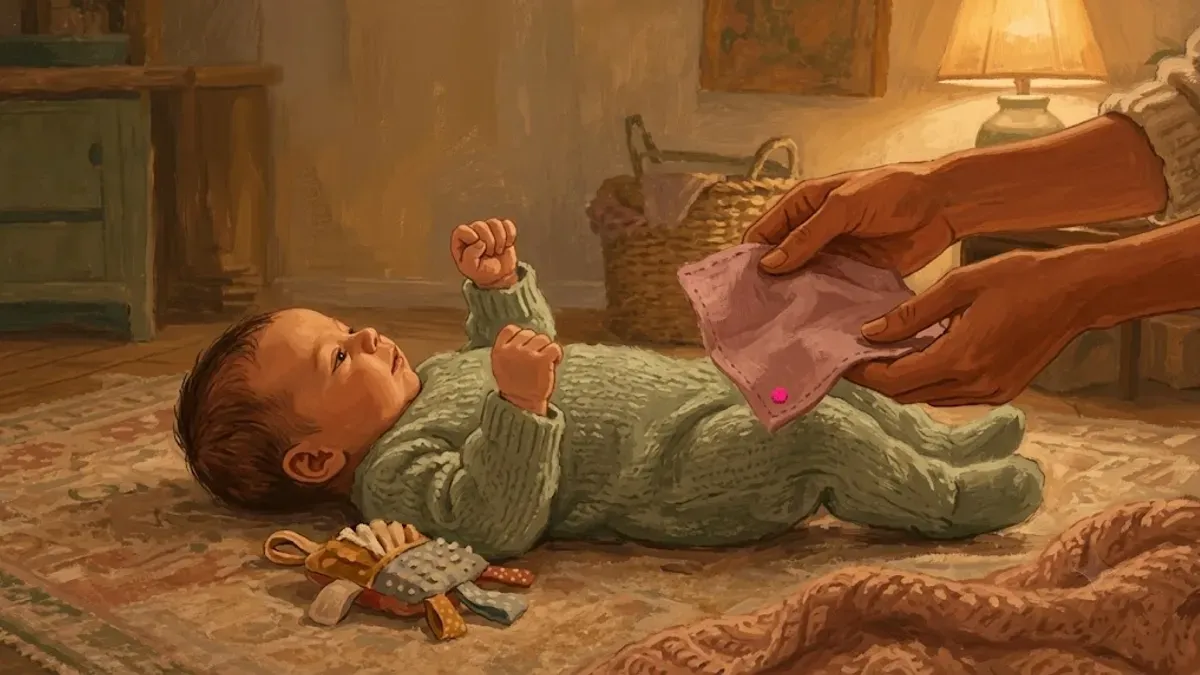
Infant Sensory Play: When Babies Can Safely Start
Infant sensory play can start at birth, not 6 months. A former preschool aide breaks down what's safe at every stage and how to begin today.
-
 Sensory Bins
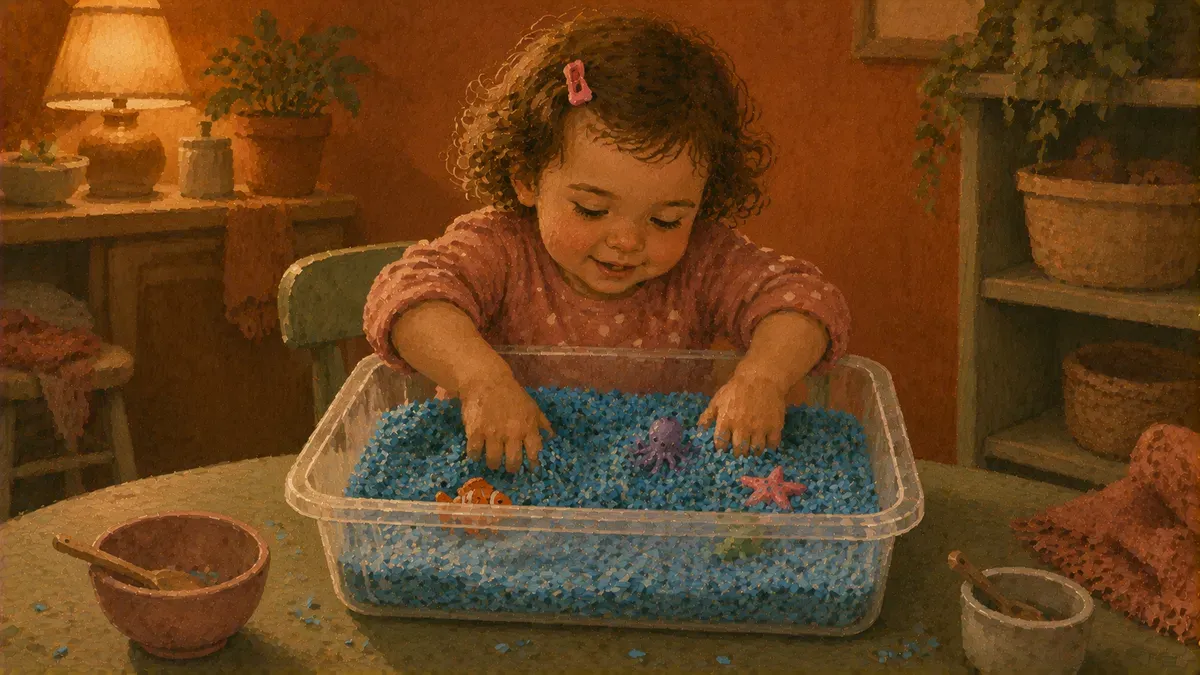
Sensory Water Play: The Ocean Bin Toddlers Beg For
Turn blue rice and hidden sea creatures into hours of calm focus. This ocean sensory water play bin keeps toddlers busy. Build it today.
-
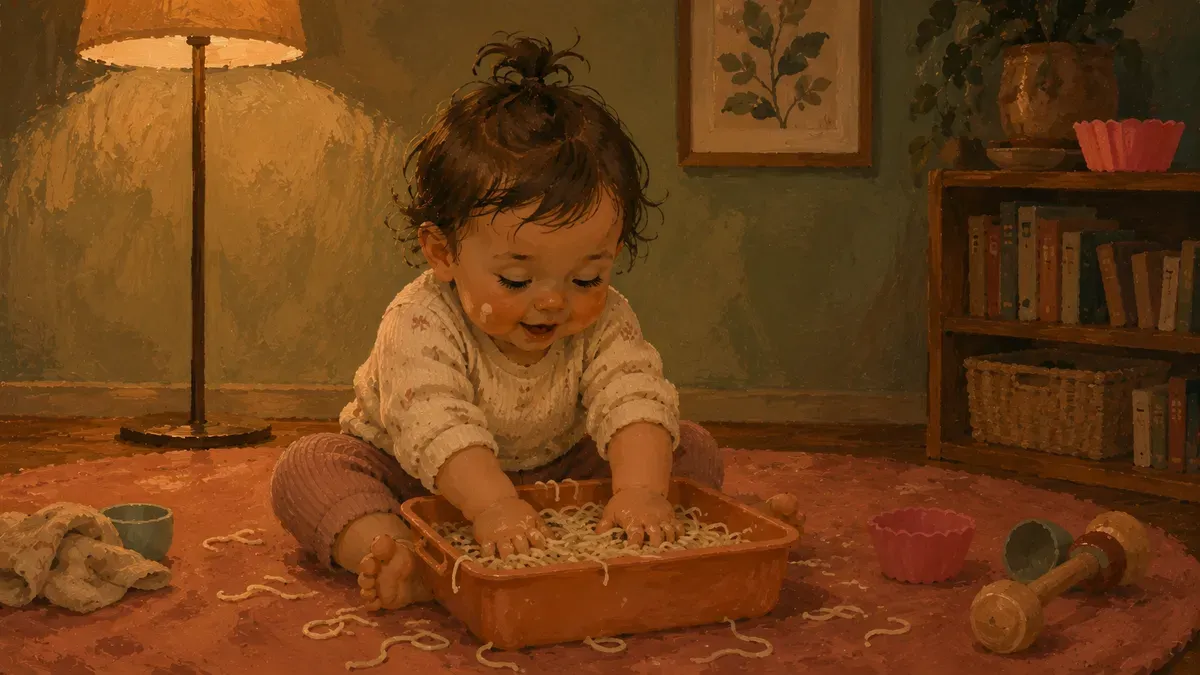 Sensory Bins
Sensory Play for 1 Year Olds: Safe, Taste-Safe Ideas
Worried about choking? Taste-safe, big-piece sensory play for 1 year olds that keeps exploring fun, never scary. See the safe ideas now.
-
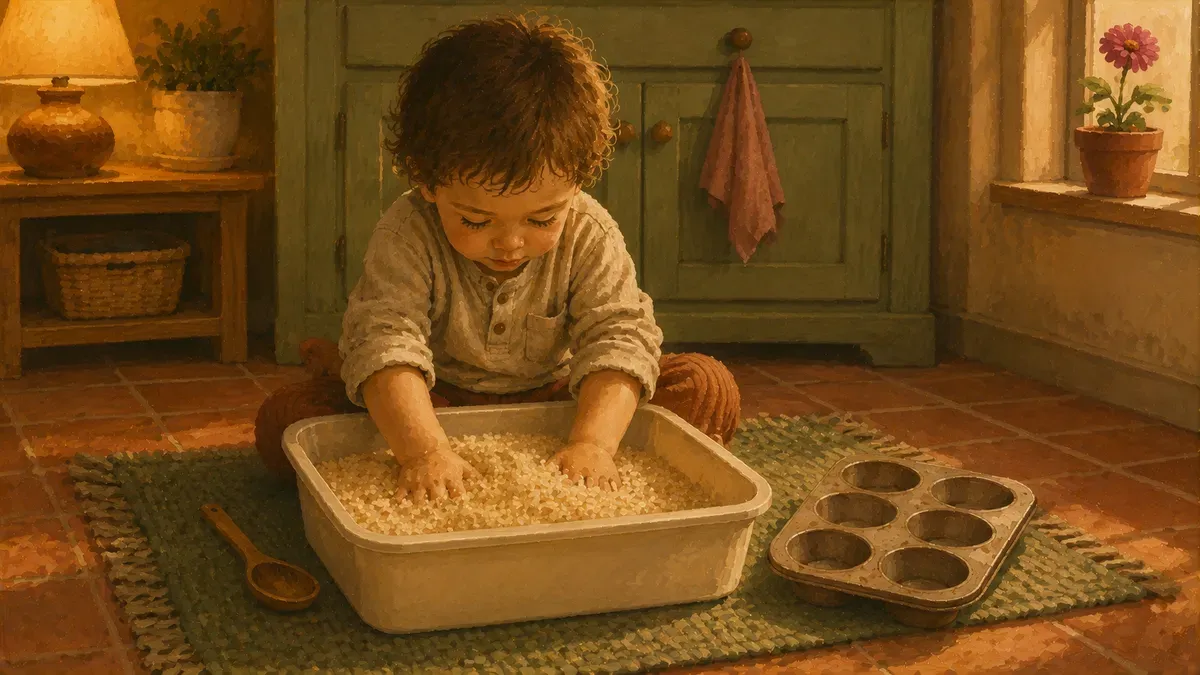 Sensory Bins
Sensory Bins for Autism: Calm Setups for Toddlers
Sensory bins for autism can calm an overwhelmed toddler or spark a meltdown. See which setups soothe, which to skip, and how to start tonight.
-
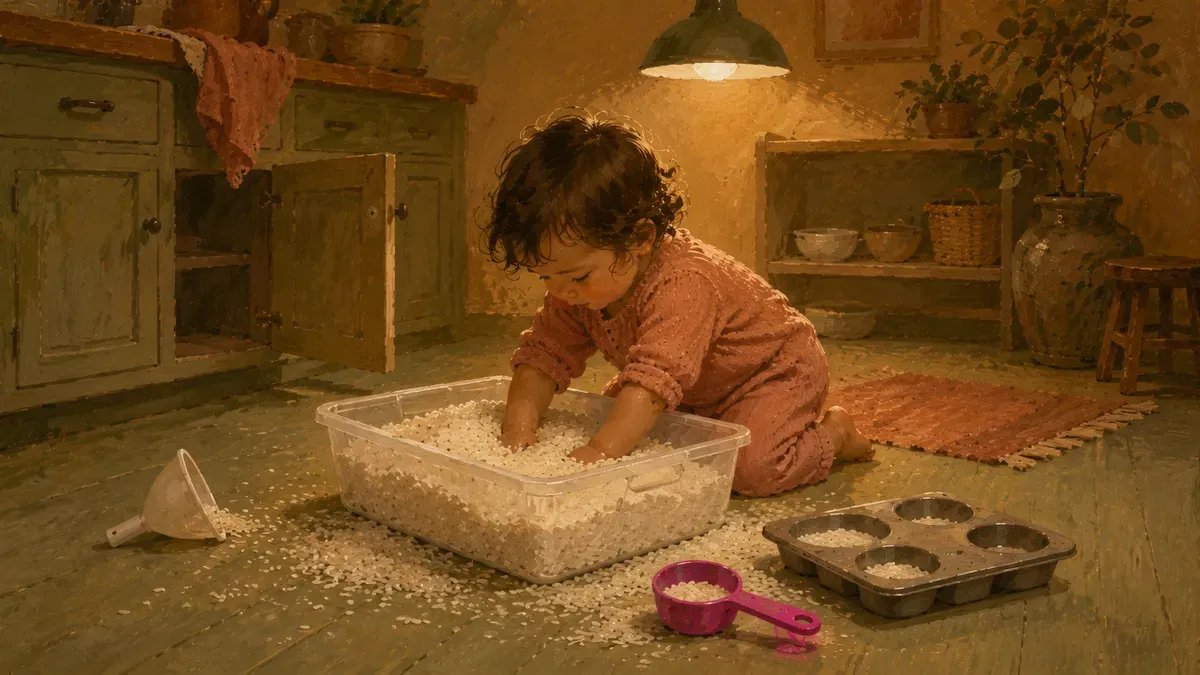 Sensory Bins
DIY Sensory Bins: A Toddler-Proof Setup Guide
Build a DIY sensory bin in 15 minutes with stuff you already own. Get the filler, container, and mess-proof setup that buys you quiet. Start now.
-
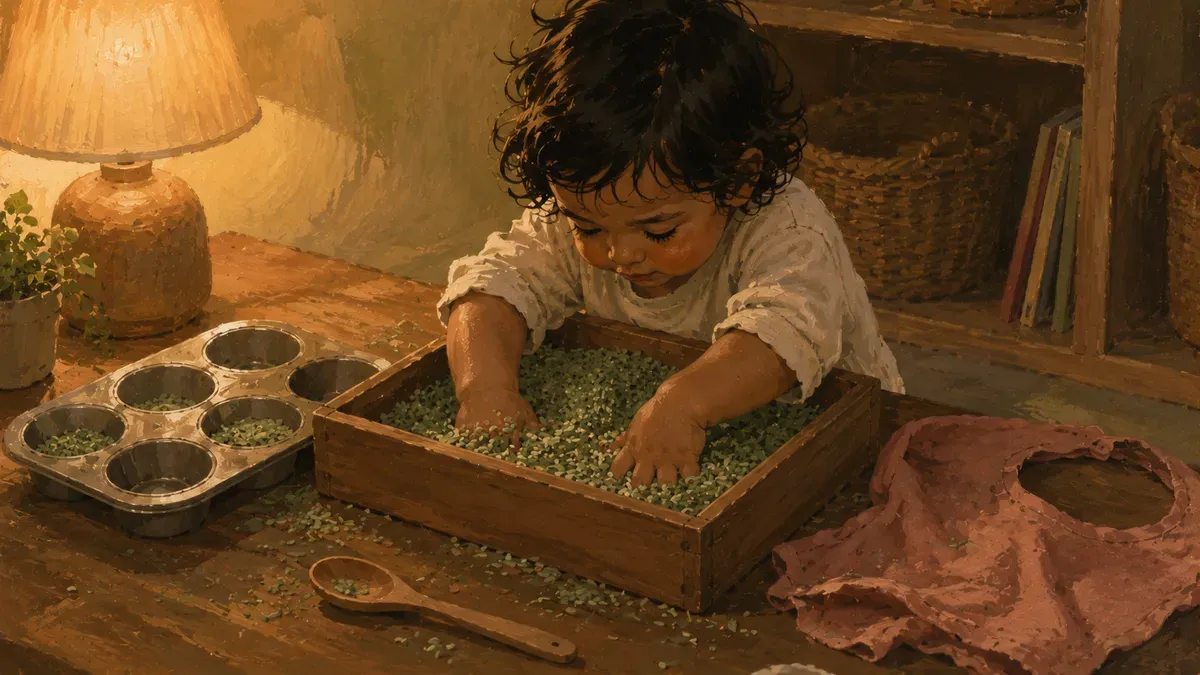 Sensory Bins
Taste Safe Sensory Play: 15 Fillers for Mouthy Toddlers
Your toddler eats everything? These 15 taste safe sensory play fillers turn pantry staples into safe mess. Grab the recipes and start today.
About this guide
This page is the bin, start to finish: how to build your first one, which fillers feel best and make the least mess, what works at one, two, and three, and the one safety call that matters most. Toddlers from around eighteen months are the sweet spot. Younger than that, or any baby still mouthing everything, you go taste-safe, every time.
How to set up a sensory bin that actually holds a toddler
Grab a shallow tub. Wide and low beats deep and narrow, because little arms need to reach the bottom without tipping the whole thing. An under-bed box, a roasting pan, even a cookie sheet for a first try.
Pick one filler, not five. Dry rice or dried beans for a first bin, plain water if you want zero pantry guilt. One texture is plenty for a toddler, and it keeps cleanup sane. If your cupboard feels bare, there are twenty pantry fillers you already own waiting in there.
Add two or three tools. A measuring cup, a funnel, a muffin tin, an old spice jar. The scooping and pouring is where the real fine-motor work hides.
Bury a few small toys. Plastic animals, big buttons, pom-poms, the dollar-store gems. Half-hidden treasure gives a wandering kid a reason to keep digging.
Set one rule before you open it. Ours is "the filler stays in the bin." Say it once, put a towel or a sheet underneath, and let the rest go. Mess is part of the deal.
Reset and reuse. Dry fillers live in a ziplock or jar between sessions and last for months. Water gets dumped the same day. Same bin, new filler next week, and it feels brand new.
Sensory bin fillers, sorted by feel and mess
- Dry and low-mess:rice (plain or dyed), dried beans, split peas, lentils, dry pasta, cereal loops. The easiest first fillers and the simplest to sweep up. Most pantries already have one.
- Wet and the bigger cleanup:plain water, water with a drop of dish soap for bubbles, shaving foam, cloud dough (flour and a little oil). More fun, more towels. Worth it on the right day.
- Taste-safe for babies and mouthers:dry oats, plain cooked-and-cooled pasta, crushed cereal, puffs, a smear of yogurt on the tray. If they cannot eat it, it does not go in the bin. That is the whole rule under two.
The one to take seriously: skip water beads with babies and toddlers. The CPSC links them to roughly 7,000 emergency-room visits for swallowing from 2018 to 2022 and at least one infant death. They start pinhead-small, swell once swallowed, can block the gut, and often do not show up on an X-ray. A plain water bin gives the same cool, squishy feel with none of that risk. Stay within arm's reach the whole time, keep anything tiny out of reach of mouthers, and for any medical worry, your pediatrician is the call, not a blog.
Quick answers on this one
What age can a toddler start a sensory bin?
Around eighteen months is the easy starting point, once a kid is past putting everything straight in their mouth. You can start far earlier with a taste-safe setup, like a high-chair tray of plain yogurt or cooked pasta. The rule under two is simple: if it is not safe to eat, it does not go in the bin, and you stay right there. If you want the age-by-age version, here is when babies can safely start.
What can I use as a sensory bin filler?
Almost certainly something already in your kitchen. Dry rice and dried beans are the classic first fillers, with split peas, lentils, dry pasta, and cereal close behind. Want less cleanup? Plain water in a tub is the cheapest bin there is. For a baby or a kid who still mouths things, go taste-safe with oats or cooked pasta instead.
Are water beads safe for toddlers?
For babies and toddlers, no, and it is the one filler worth being firm about. The CPSC ties water beads to thousands of emergency-room visits for swallowing and at least one infant death. They swell inside the body, can block the intestines, and often will not show on an X-ray. A plain water bin gives the same squishy feel with none of the risk, and there are plenty of water-bin ideas safer than beads to swap in.
How do I keep the mess from going everywhere?
You contain it, you do not prevent it. Put an old sheet or a towel under the bin so the spills land somewhere you can shake out, and pick a low, wide tub so a toddler can dig without tipping it. One rule, said once, does most of the work: the filler stays in the bin. Dry fillers like rice sweep up in a minute, which is half the reason they are the easiest place to start.
Free printables, coming soon
Want these as printables?
I am slowly turning activities like these into free print-and-go pages. Tell me where to send them and you will get an email the day each one is ready.
One email when there's something worth printing. Unsubscribe anytime.