Screen-free play, real-home edition
Sensory play for energy to burn
Mess-friendly bins, dough, and trays, tested at my table with my own two.
Sensory play
[sen·suh·ree play]noun
Sensory play is any play that gets a kid's hands, mouth, ears, or whole body into something they can feel. Rice they can pour, dough they can squish, water they can splash. That's it. The fancy version is play that feeds the senses, but you don't need the fancy version to start one tonight.
Pick the kind of play you need
Four corners of sensory play, depending on whether you are filling a long afternoon, calming a wound-up kid, or keeping a baby busy through dinner prep.
Sensory bins for toddlers
Rice, water beads, themed scoops. The bins a toddler actually plays with for longer than two minutes, plus the rule that keeps it off the floor.
-
 Sensory Bins
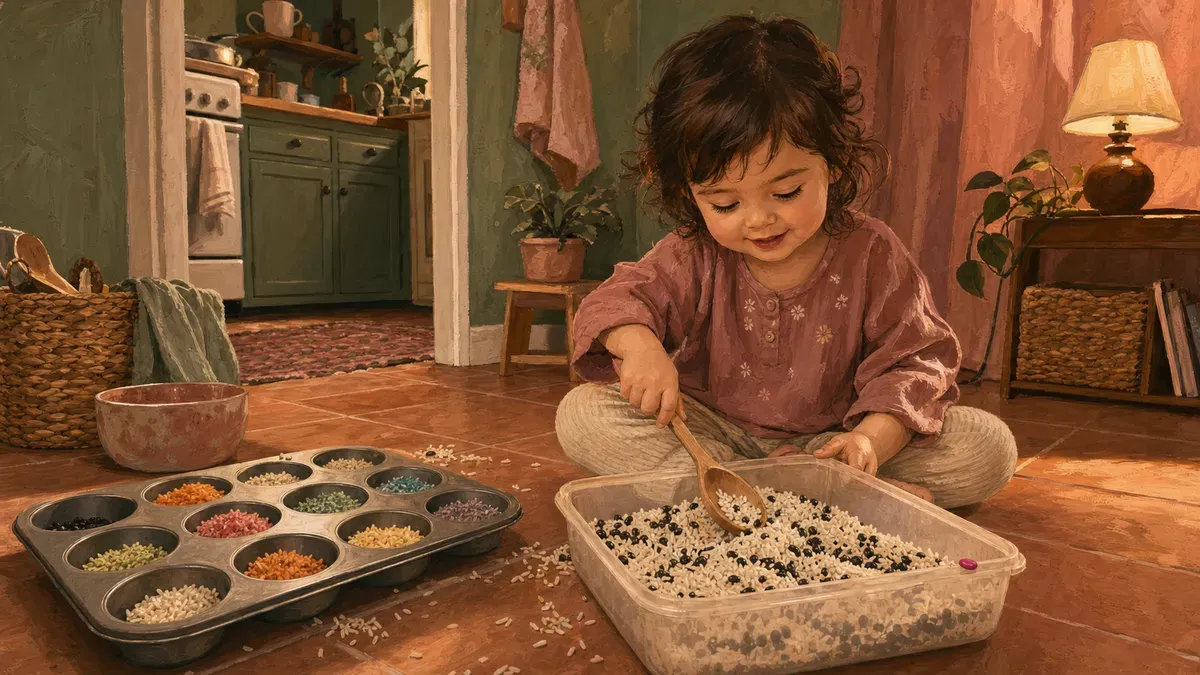
Sensory Bin Fillers: 20 Pantry Items You Own Now
Skip the craft store: 20 sensory bin fillers already in your pantry tonight, sorted by texture, mess level, and age. Start one in minutes.
-
 Sensory Bins
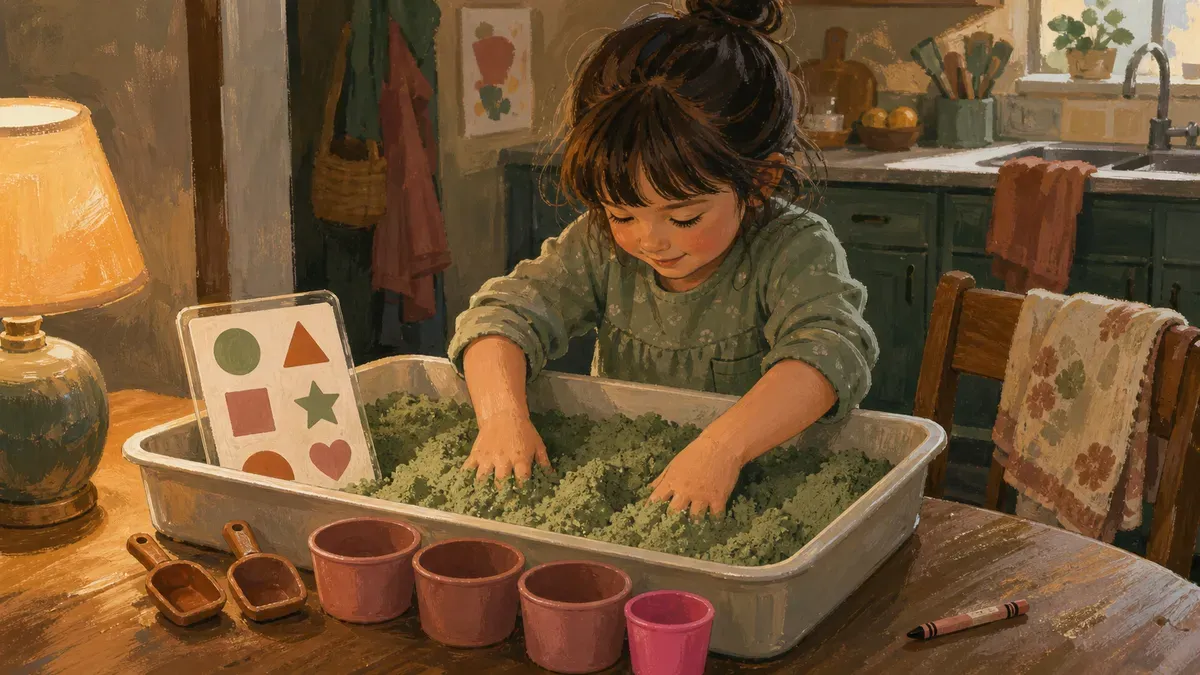
sensory integration occupational therapy intervention: ADHD
Turn sensory integration OT into a home calm-down bin for ADHD kids. Task cards, bin ideas, and a setup that works on the hard days.
-
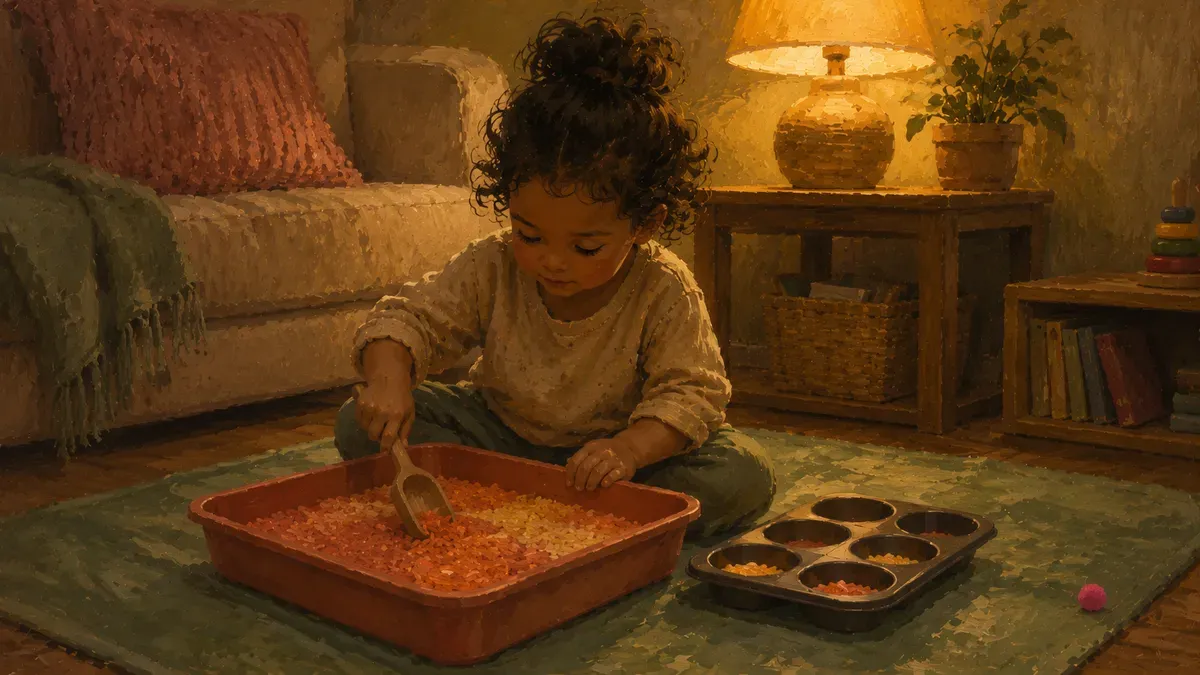 Sensory Bins
Indoor Sensory Play: 18 Low-Mess Setups That Work
Dreading the cleanup? These indoor sensory play setups stay on the mat, work in apartments, and reset in minutes. Start tonight.
Playdough activities & mats
Simple playdough setups and printable mats that build little hand muscles. The invitations to play that buy you twenty quiet minutes.
-
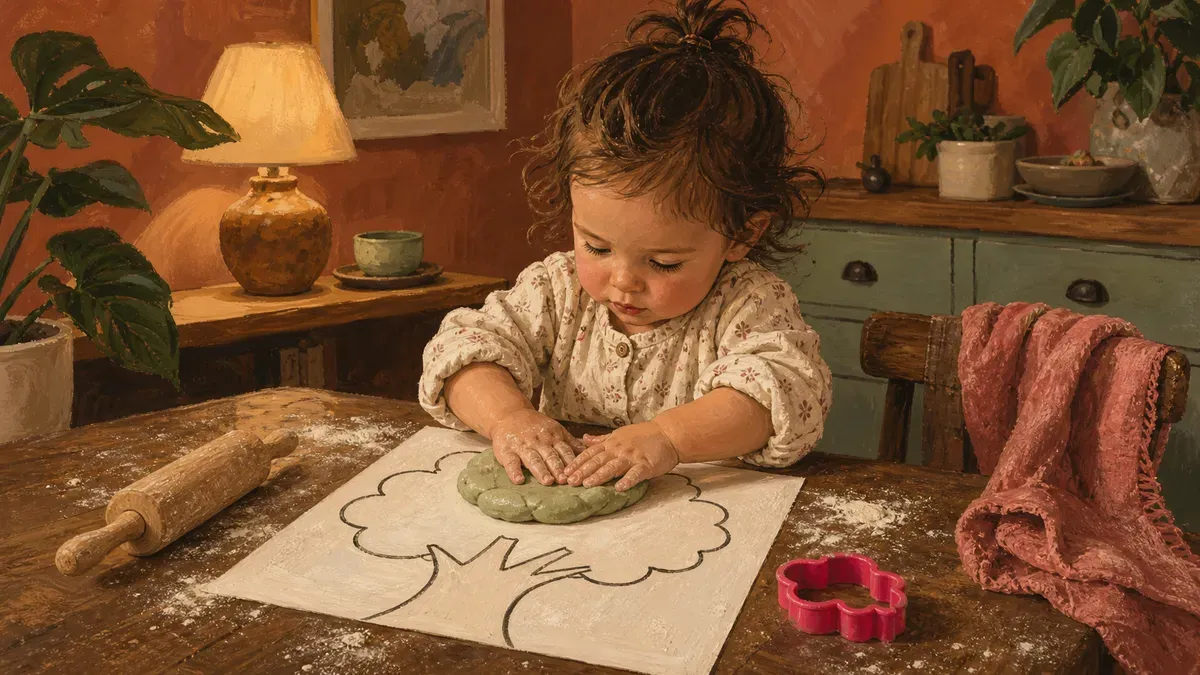 Playdough
What Is a Play Dough? Beginner's Guide to Mats
What is play dough, and how do mats turn squishing into real learning? Plain-English answers plus age-by-age starter ideas.
-
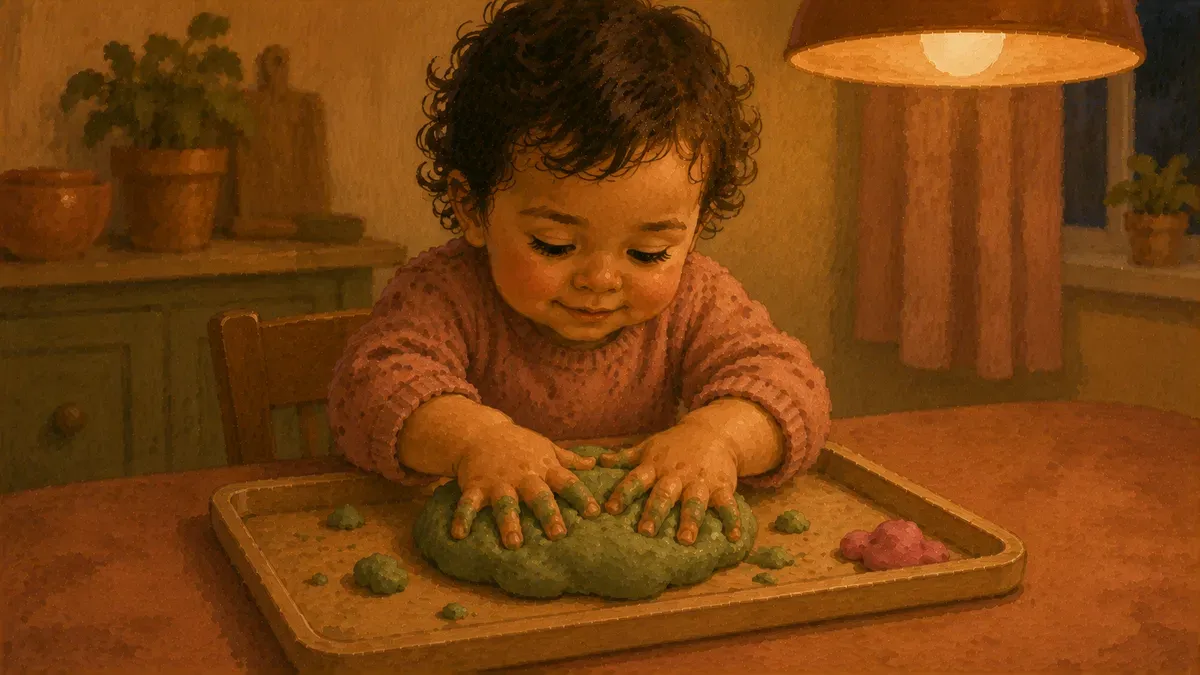 Playdough
Play Doh for 2 Year Olds: Setups That Run Themselves
Most 2-year-olds eat play doh before they shape it. Here's how to set up play doh for 2 year olds so they play. Start in 3 steps.
-
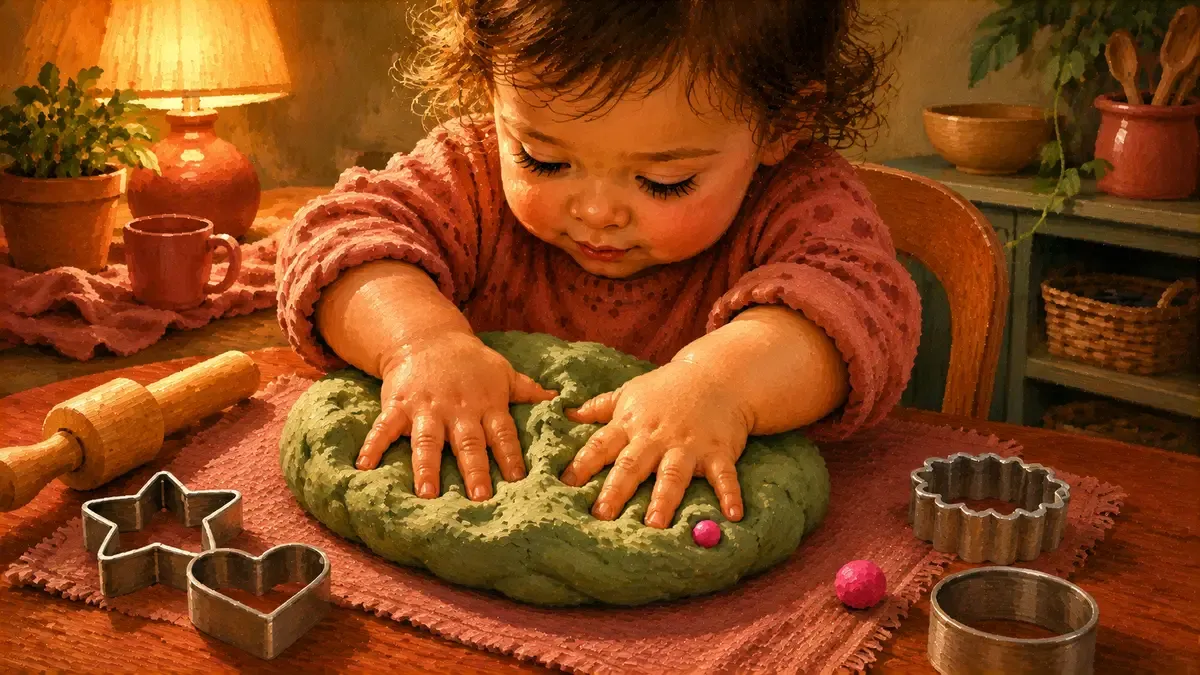 Playdough
Playing With Playdough Fine Motor Skills That Last
Playing with playdough fine motor skills do more than entertain - they build the exact hand strength kids need to hold a pencil. See how, and try it.
Pick where to start
Two ways in. Go by your kid’s age, or skip straight to the problem you are trying to solve right now.
Start here if you are not sure where to start
The setups people come back to most. One from each corner, all tested at my house before it landed here.
- Sensory Bins
Sensory Bin Fillers You Already Have at Home
Skip the craft store: 20 sensory bin fillers already in your pantry tonight, sorted by texture, mess level, and age. Start one in minutes.
- Playdough
What Is a Play Dough? A Beginner's Mat Guide
What is play dough, and how do mats turn squishing into real learning? Plain-English answers plus age-by-age starter ideas.
- Sensory Bins
Sensory Integration Occupational Therapy Intervention for ADHD at Home
Turn sensory integration OT into a home calm-down bin for ADHD kids. Task cards, bin ideas, and a setup that works on the hard days.
Your first bin, step by step
How to start one tonight
It works for two opposite kids. The wound-up one who needs to move their hands before they can settle, and the bored one staring at you at 4pm with nothing to do. Same bin, two different problems solved. No activity here fixes anything or replaces a pro. It buys you a calmer ten or twenty minutes, and on a long day that counts.
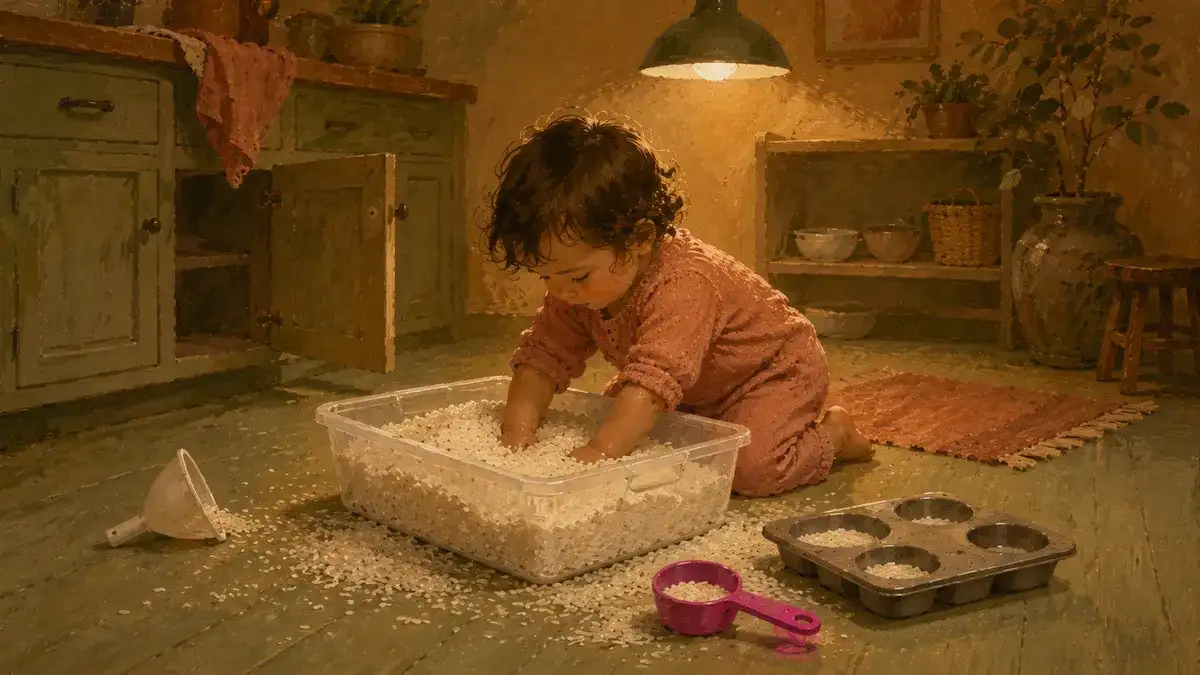
Grab a container with sides. A baking dish, a storage tub, a cookie sheet with a lip. Set it on the floor or the high-chair tray.
Fill it with one thing you already own. Dry rice, dry oats, water, cooked pasta. One material is plenty for a first try.
Drop in a couple of scoops and cups from the kitchen. A measuring cup, a spoon, a funnel if you have one. The tools are half the fun.
Put a towel or an old sheet underneath, then let them at it. Your job is to sit close and watch, not to direct the play.
Call it when they are done, not when the bin is. Five minutes is a win. So is twenty. Scoop the spill back in and try again tomorrow.
What it actually buys you
- A reset for a kid running too hot or too low. Pouring and squishing gives a body something to do, and a lot of kids settle once their hands are busy.
- Stronger little hands. All that scooping, pinching, and pouring is the same grip work behind holding a crayon and zipping a coat later on.
- New words, almost by accident. Name what they are touching while they touch it (cold, gritty, slippery) and you are handing them vocabulary at the exact moment it sticks.
- A kid who explores instead of asks for a screen. They test what floats, what pours, what hides under the rice, and that poking-around is how the early figuring-out happens.
Questions parents ask about this
What age is sensory play for?
Babies through preschoolers, with the setup changing as they grow. A baby explores a smear of yogurt on the high-chair tray, a toddler digs in a rice bin, a preschooler builds with dough. Under two, everything goes in the mouth, so keep it taste-safe and stay within arm’s reach.
Is it really worth the mess?
Most days, yes. The trick is deciding the mess is part of the deal before you start, not fighting it mid-play. A sheet under the bin and a quick sweep after is the whole tax. For a calm twenty minutes, I pay it.
What do I need to start on the cheap?
Almost nothing. A container with sides, one filler from your pantry like rice or dry pasta, and a few cups and spoons from the kitchen drawer. Most pricey sensory kits are just dressed-up versions of stuff you already have. Start with the pantry.
Taste-safe or not, how do I tell what is okay?
Go by whether your kid still mouths things. If yes, the rule is simple: if they can’t eat it, it doesn’t go in the bin, so think cooked pasta, oats, or edible doughs. Once they reliably keep things out of their mouth, dry rice and beads open up. Either way, you stay and watch.
My kid hates getting messy. Now what?
That is real, and pushing a messy-averse kid into goo backfires. Start dry and contained: a bin of dry rice, a scoop, and tongs so their hands stay clean. Let them watch you do it first. Some kids warm up over weeks, some never love wet play, and both are fine.
Where this connects
Sensory play rarely stays in its lane, and that is the point. When you are using a bin to bring a kid down from a meltdown, you have one foot in the calm-down corner. When the pouring and pinching starts looking like skill-building, you are halfway into fine motor work. And for a kid with bigger sensory needs, this is often part of a wider plan you build with a pro.
Sensory play started in my house as survival, not a hobby. My oldest is autistic and a sensory-seeker, and a rice bin was often the thing that got us from a hard morning to lunch in one piece. I have run hundreds of these with my own two and the moms in my group, kept what worked, and tossed the Pinterest-pretty ones that nobody actually played with.
I'm not an OT, an SLP, or a doctor, and I won't pretend to be. When something belongs to a professional, I say so and point you to one. What I can give you is the been-there version: what we tried, what flopped, and what bought us a calmer afternoon. More about Nora Hayes
Free printables, coming soon
Want these as printables?
I am slowly turning activities like these into free print-and-go pages. Tell me where to send them and you will get an email the day each one is ready.
One email when there's something worth printing. Unsubscribe anytime.