Learning that looks like play
Learning play that builds little hands
Fine motor, colors, Montessori, and busy books, the low-prep kind that looks like play.
Learning play
[lur·ning play]noun
Fine motor and learning play is the hands-on stuff that teaches a little kid something while they think they are just playing. Pinching pom-poms, sorting buttons by color, pouring water from a tiny pitcher, buttoning a felt page. It looks like play because at this age it should be play. The learning rides along underneath.
Pick the kind of learning play you need
Four corners of hands-on learning, depending on whether you are building hand strength, teaching colors, setting up a Montessori shelf, or packing a quiet book for the car.
Fine motor activities
Pom-pom drops, threading, tongs work, and tracing that quietly prep little hands for writing. The skills behind every crayon grip.
-
 Fine Motor
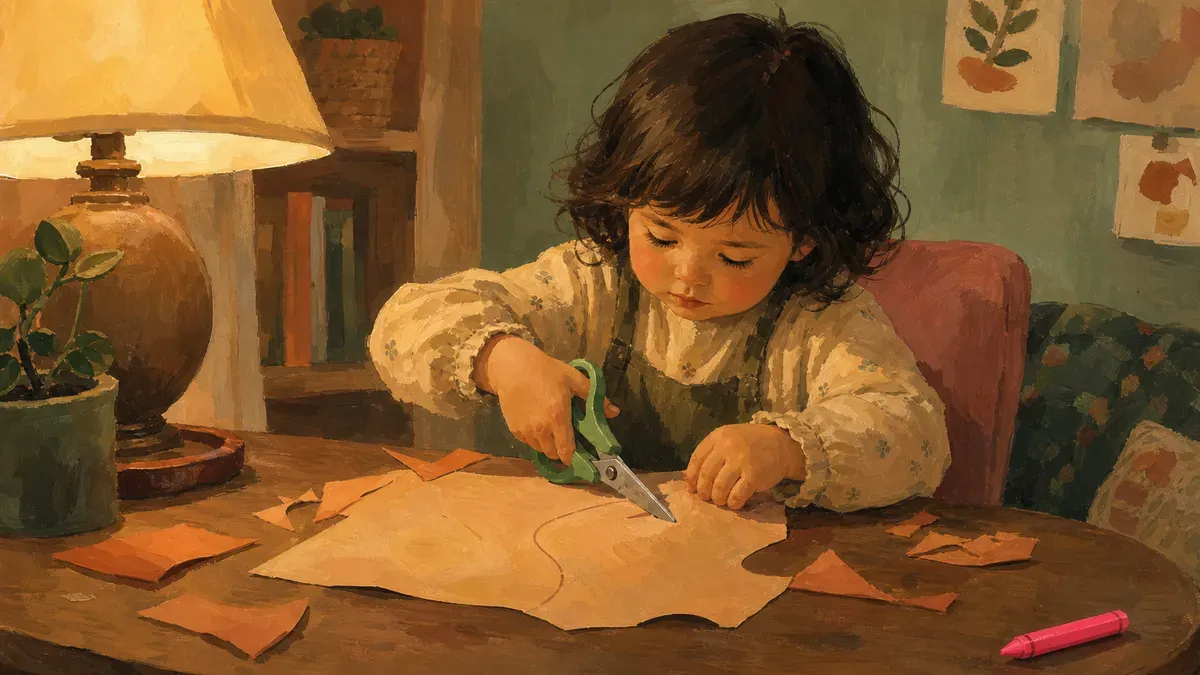
Cutting Worksheets: 15 Activities Beyond Straight Lines
Bored of straight lines? These cutting worksheets and 15 activities build scissor skills fast. Grab the free printables and start today.
-
 Fine Motor
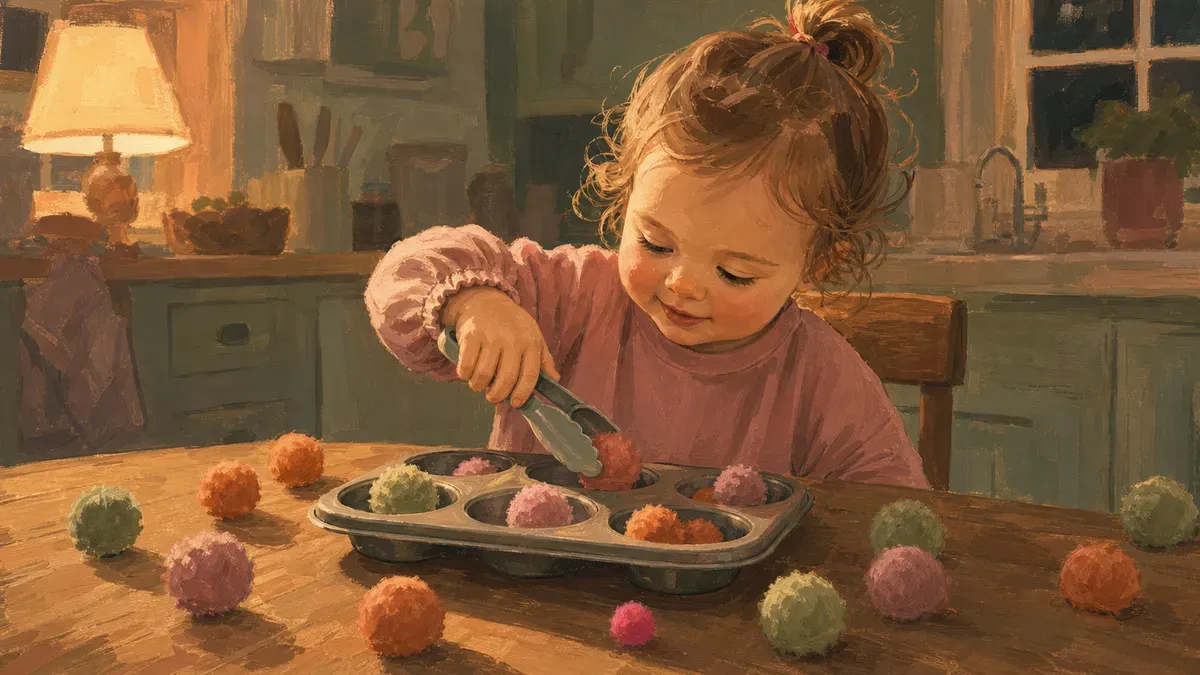
Activities to Build Fine Motor Skills With Pom Poms
The hand strength behind neat handwriting starts with play. Try 20 pom pom activities to build fine motor skills your kid will actually beg to do.
-
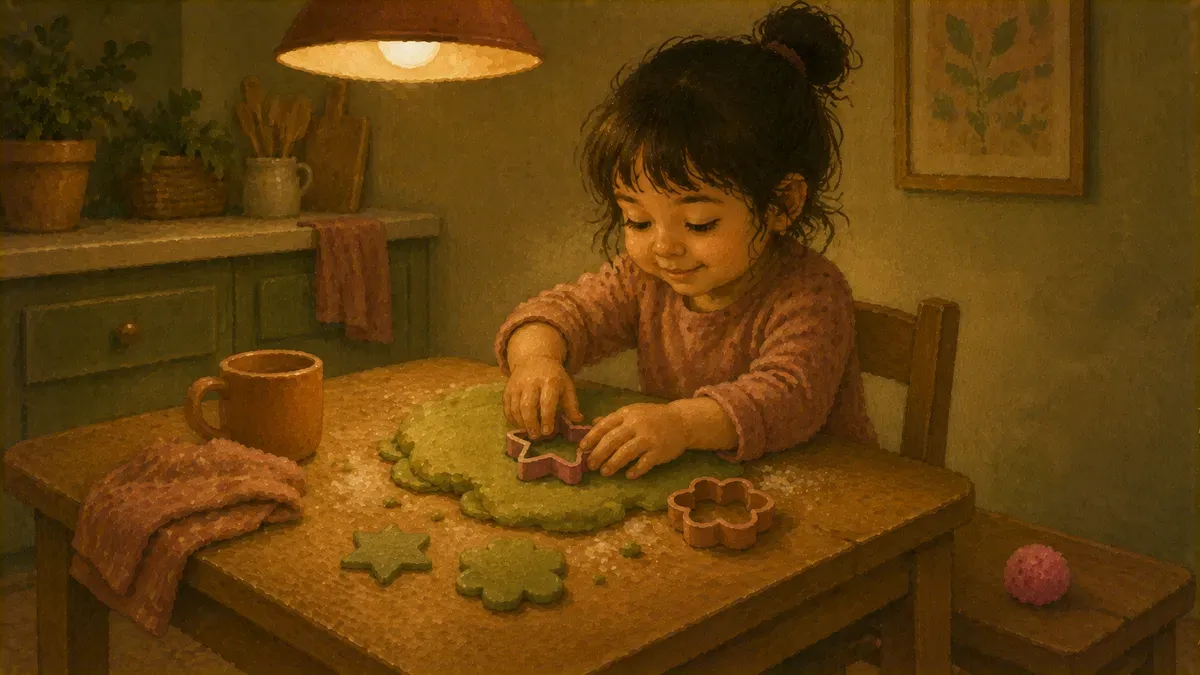 Fine Motor
Fine Motor Skills Activities for Preschoolers
Ready to write? Spot the 12 readiness signs and the fine motor skills activities for preschoolers that build the hand. Start now.
Learning colors activities
Color sorting, rainbow trays, and do-a-dot pages that teach without feeling like school. The kind of learning that looks like play, because at this age it should.
-
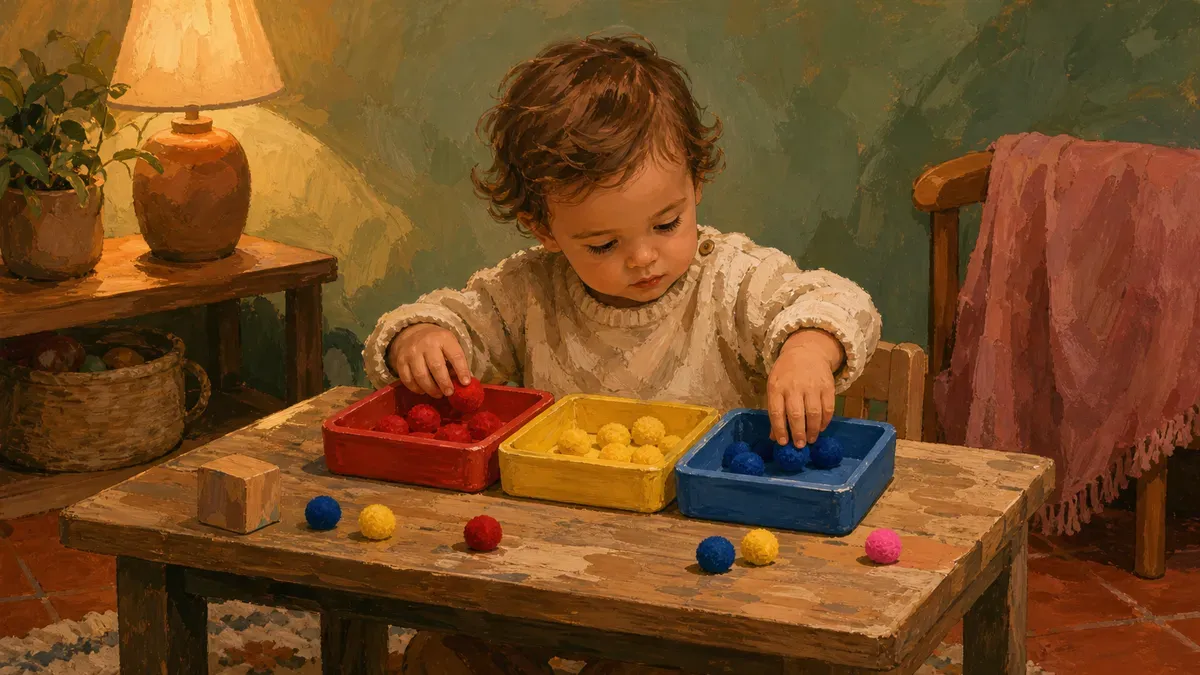 Learning Colors
Colours for Childrens: The Order to Teach Them
Teaching colours in a random order slows toddlers down. Get the exact order to teach colours for childrens, plus activities that stick. Start today.
-
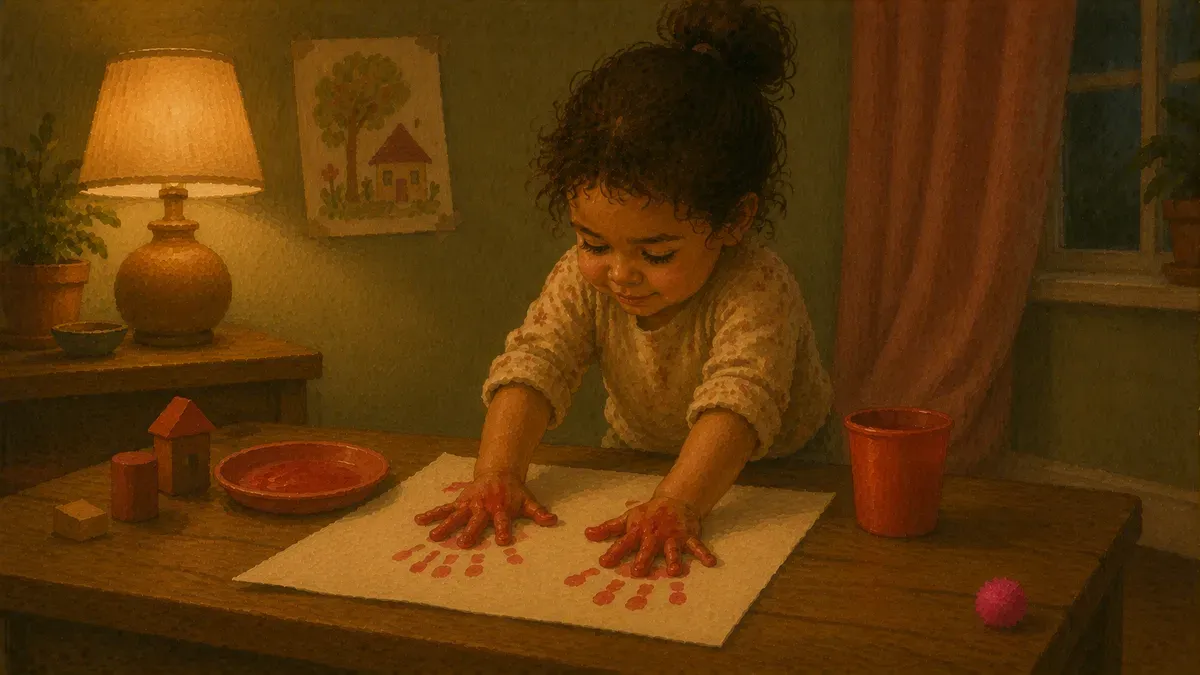 Learning Colors
Color Activities for Preschool That Actually Stick
Most color lessons fail because they teach too many at once. These color activities for preschool use one color at a time so it sticks. Start today.
-
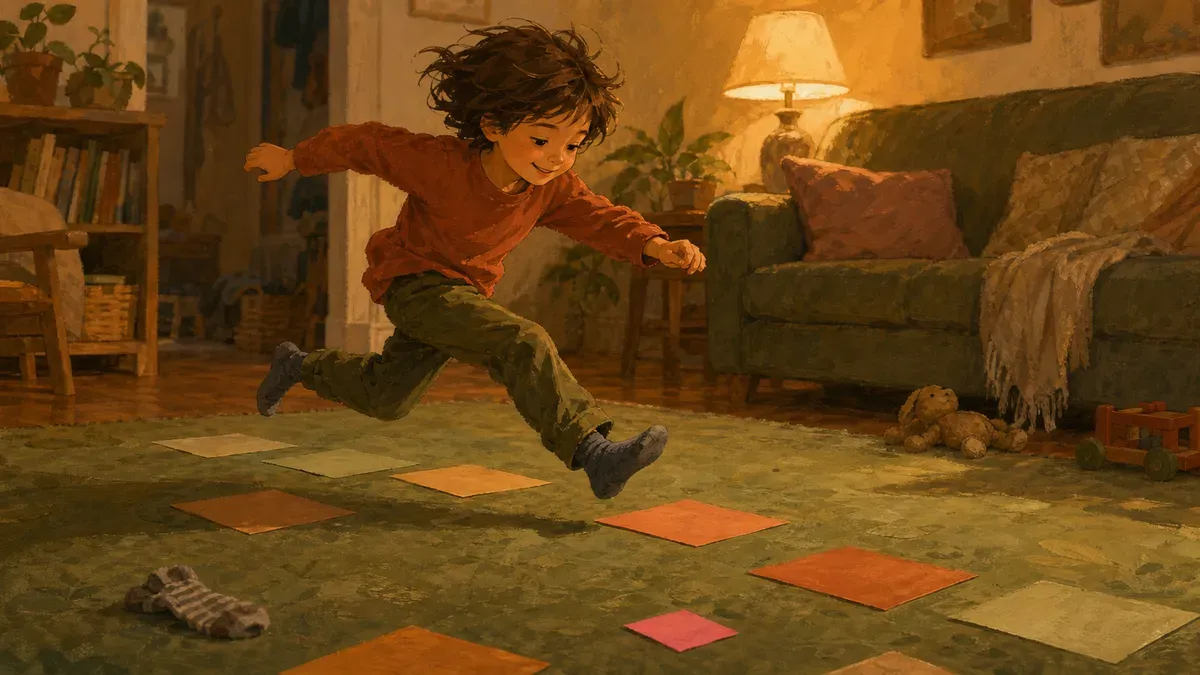 Learning Colors
Color Activities for Kindergarten Kids Who Hate Sitting
Got a kid who won't sit still? These 10 color activities for kindergarten get them moving, learning, and laughing. Try them now.
Montessori activities & toys
Practical-life work, DIY shelf ideas, and which toys earn their price by age. Real setups in real homes, not a styled playroom.
-
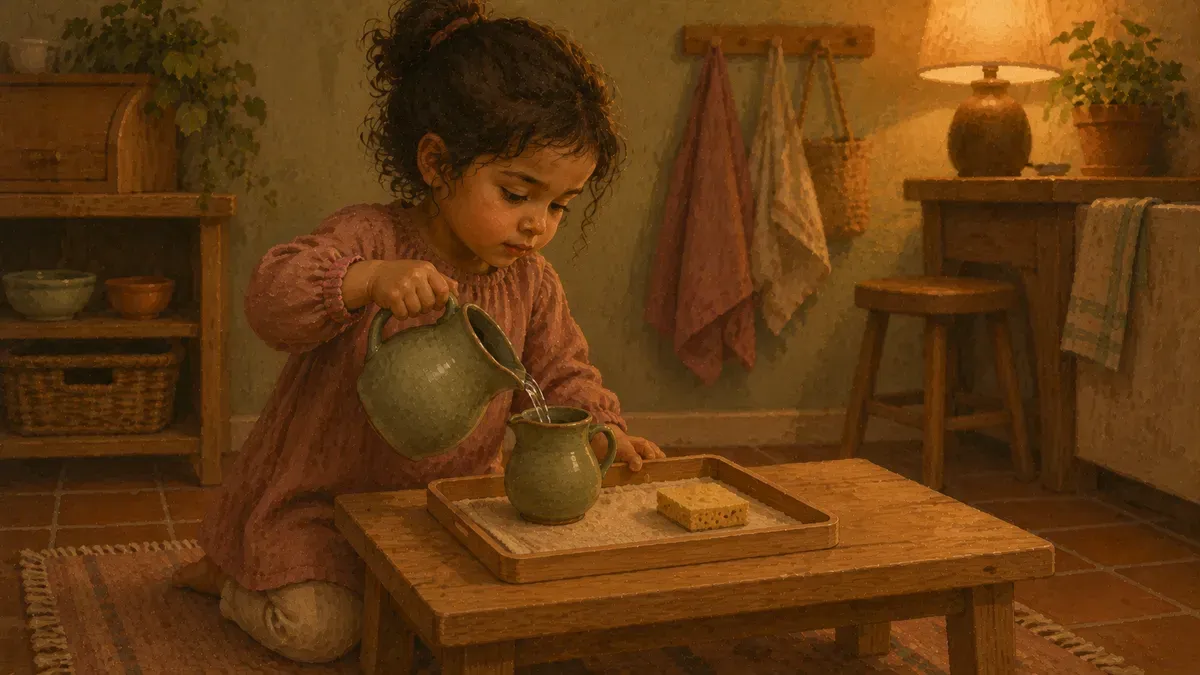 Montessori
Montessori Activities for 3 Year Olds That Build Skills
At 3, kids crave real work, not toys. These Montessori activities for 3 year olds build focus, coordination, and independence. Start one today.
-
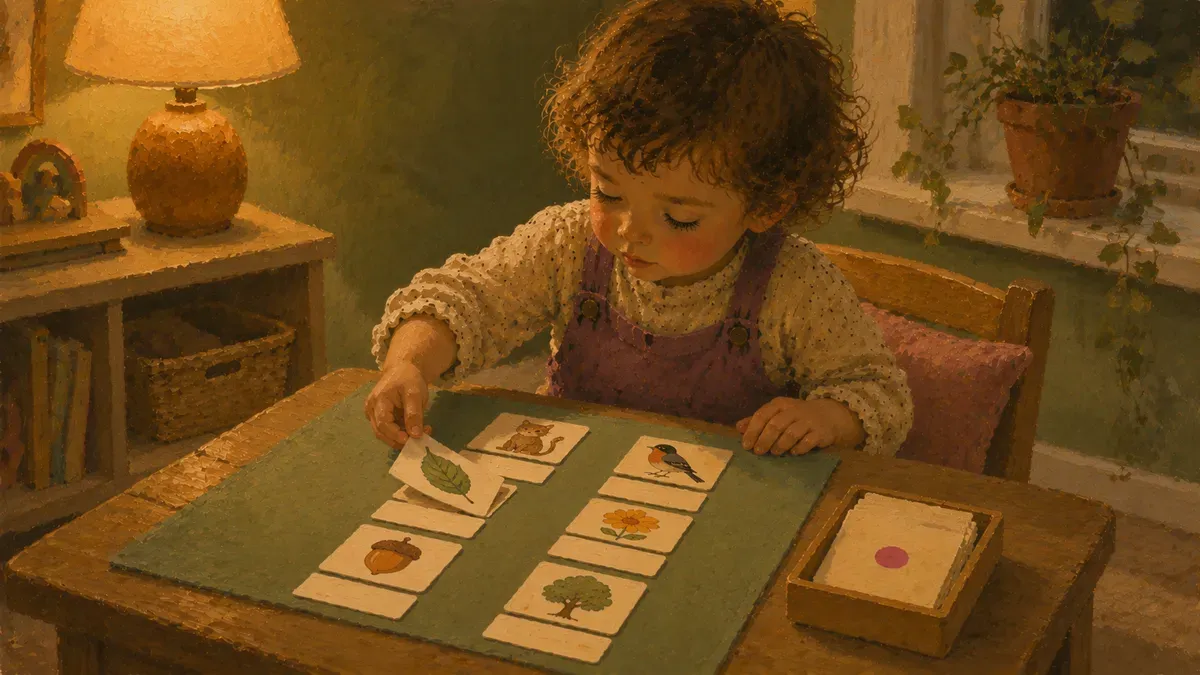 Montessori
Step by Step Montessori 3-Part Cards Walkthrough
Confused by 3-part cards? This step by step Montessori walkthrough shows the exact order to present them so your child matches and self-corrects.
-
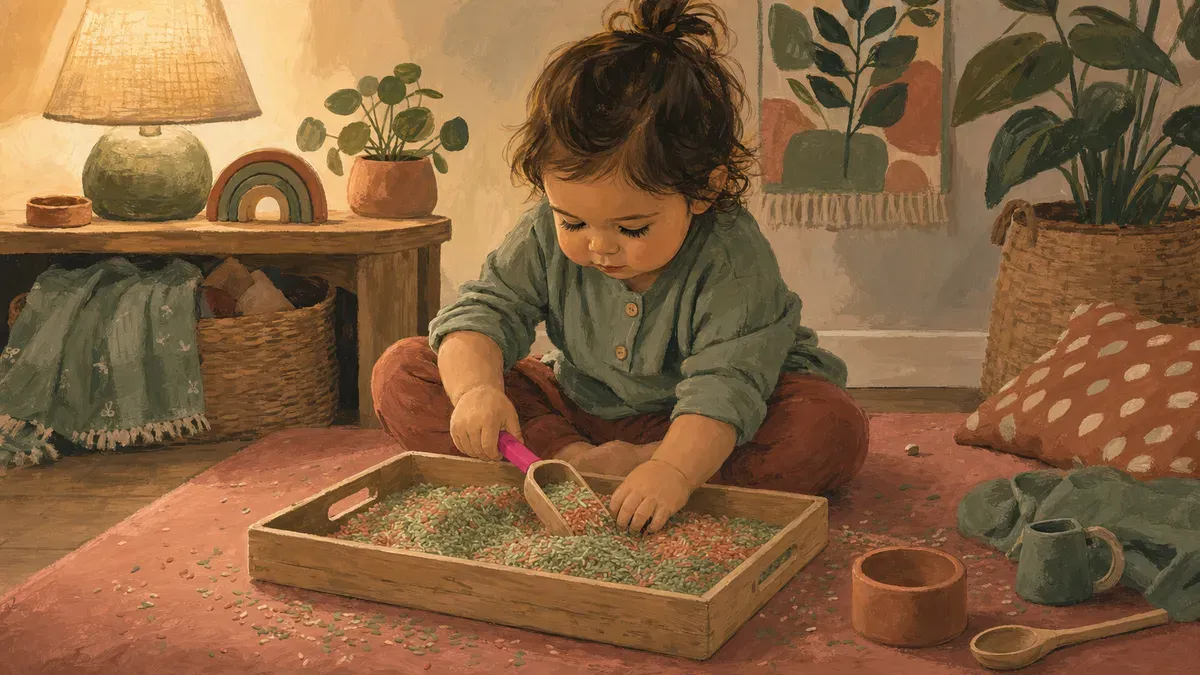 Montessori
Sensorial Montessori Activities That Calm Toddlers
Sensory-seeking toddler heading for a meltdown? These 10 sensorial Montessori activities calm and refocus little hands fast.
Quiet & busy books
Felt quiet-book pages, binding tricks, and printable templates to make your own busy book. The screen-free activity that survives a long car ride.
-
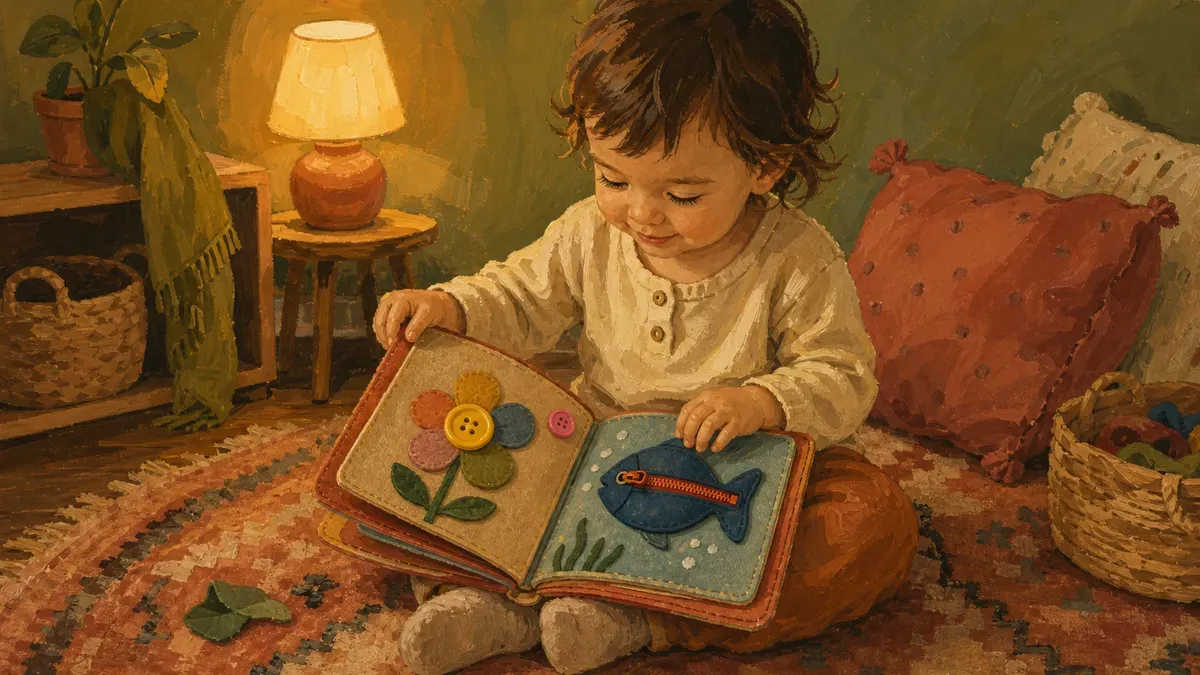 Quiet & Busy Books
Toddler Activity Book: 25 Quiet Page Ideas to Make
25 toddler activity book page ideas your kid will actually sit still for, plus the felt, Velcro, and binder-ring steps to build each one at home.
-
 Quiet & Busy Books
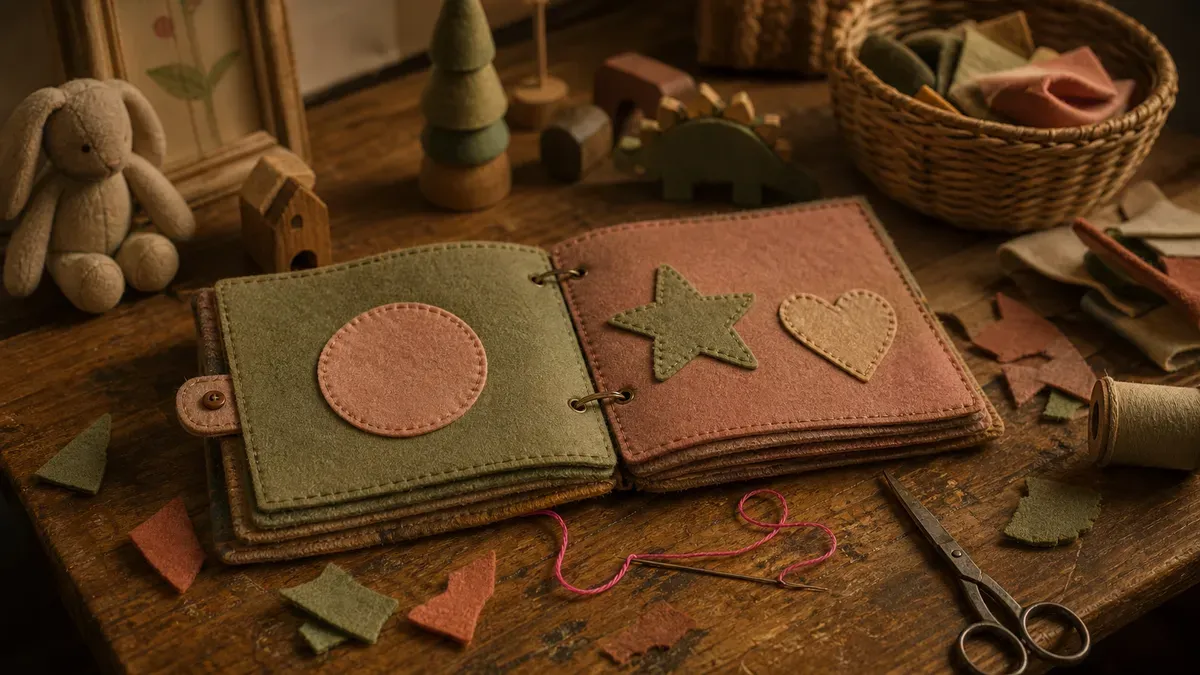
Quiet Book Patterns: A Beginner's First Felt Page
New to felt? These beginner quiet book patterns walk you through your first page step by step, with real costs and rookie mistakes. Start today.
-
 Quiet & Busy Books
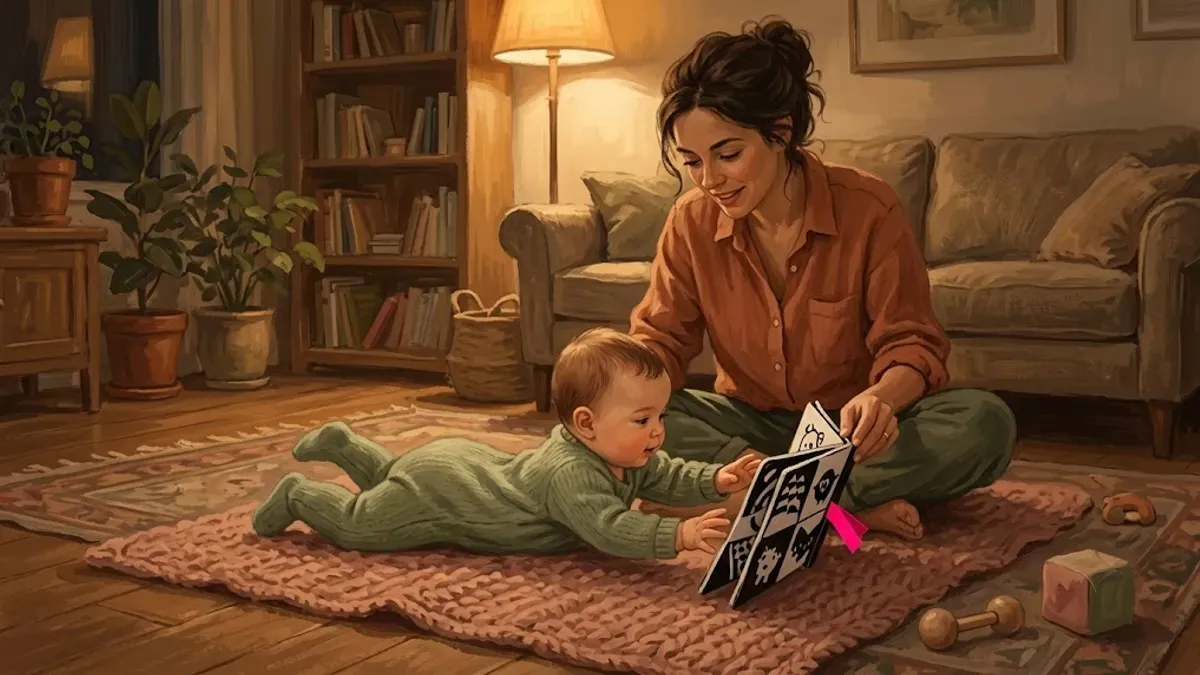
Infant Busy Book: Best Soft, Safe First Picks
Most busy books are built for toddlers. Here's the infant busy book that's truly newborn-safe: soft pages, high contrast, washable.
Pick where to start
Four corners under this one. Start with your kid's age, or jump straight to the skill you want to work on.
Start here if you are not sure where to start
The setups parents come back to most. One from each corner, all tested at my house before it landed here.
- Fine Motor
Cutting Worksheets That Beat Boring Straight Lines
Bored of straight lines? These cutting worksheets and 15 activities build scissor skills fast. Grab the free printables and start today.
- Learning Colors
Colours for Childrens: The Best Order to Teach First
Teaching colours in a random order slows toddlers down. Get the exact order to teach colours for childrens, plus activities that stick. Start today.
- Montessori
Montessori Activities for 3 Year Olds Worth Doing
At 3, kids crave real work, not toys. These Montessori activities for 3 year olds build focus, coordination, and independence. Start one today.
How to start, calmly
The "fine motor" part is the small-muscle work in the fingers and hands. That is the grip behind holding a crayon, the pinch behind a zipper, the control behind pouring a cup without a flood. The "learning" part is everything that sneaks in alongside it: colors, shapes, counting, the early habit of sticking with one thing long enough to finish it.
Nothing here turns your kid into an early reader or replaces a pro. What it does is give those small hands a workout and feed a busy brain, in setups you can pull together from the kitchen drawer. A good ten or fifteen minutes of real focus, on a day you needed the quiet. That is the whole pitch.
Pick one small-hands job, not a lesson. Tongs moving pom-poms into an ice tray, beads onto a pipe cleaner, stickers peeled off a sheet. One job a kid can do over and over.
Use what you own before you buy anything. A muffin tin, clothespins, a colander and some dry spaghetti. Most of the pricey "learning toys" are dressed-up versions of this.
Show it once, slowly, then sit on your hands. Do the move yourself with as few words as you can, then let them try and let them get it wrong. The fumbling is the part that builds the skill.
Follow what catches them. If they want to sort the pom-poms by color instead of using the tongs, let the activity change. A kid who is into it learns more than a kid you are steering.
Stop while it is still going well. End on a small win, not a meltdown, and leave the setup out so they can come back to it. Five minutes of real focus beats twenty of you nagging.
What this play is quietly building
- Hands strong enough for real life. All that pinching, threading, and pouring is the same muscle work behind getting dressed, working a zipper, and holding a pencil down the road.
- The ability to stick with something. Practical-life work like pouring and spooning asks a kid to slow down and concentrate, and that focus is a muscle too.
- Colors and early concepts that actually land. Kids this age sort the world by color, and they hold onto it far better when it shows up inside a game than when you drill it at them.
- A reason to choose the shelf over the screen. When the activity is right there and a kid can run it themselves, they will often pick it on their own, which buys you a stretch of quiet you did not have to police.
Questions parents ask about this
What are fine motor skills, in plain terms?
They are the small movements your kid makes with their fingers and hands, the opposite of big stuff like running and jumping. Picking up a Cheerio, turning a page, holding a crayon, working a button. Those skills are what the threading, pinching, and pouring activities on this hub are quietly practicing.
What age is this kind of play for?
Roughly toddler through preschool, with the setup shifting as they grow. A young toddler drops pom-poms into a cup, a three-year-old sorts them by color, a four-year-old pours their own water and buttons a felt page. Under two, everything still goes in the mouth, so skip small beads and pom-poms and stay within arm’s reach.
Do I need to buy Montessori toys or a special kit?
No, and I would start with your kitchen before you spend a cent. A muffin tin, tongs, clothespins, a small pitcher, and dry pasta cover most of it. The wooden toys are lovely and some are worth it later, but the skill comes from the doing, not the price tag. Buy the pantry version first.
Is this teaching my kid to read or do math early?
That is not the goal here, and I would be wary of anyone promising it. This play builds the groundwork: strong hands, the focus to finish a task, and early concepts like color and quantity that show up through play. Whether and when academics click is a much bigger picture, and your pediatrician or their teacher is the right person for worries there.
My kid loses interest in two minutes. Am I doing it wrong?
Probably not. Two minutes of real focus from a toddler is normal, not a fail, and attention stretches as they get older. Try making the job a little easier, following whatever they actually want to do with the materials, and stopping before they are done rather than after. Leave it out, and a lot of kids drift back to it later on their own.
How is this different from sensory play?
They overlap a lot, and plenty of setups do both. The quick line I use: sensory play is mostly about the feeling and the input, the squish and the pour for its own sake. Learning play points that same busy-hands energy at a skill, like sorting by color or working a clasp. Same kid, slightly different aim.
Where this connects
Fine motor work never really stays in its own box. The pouring and pinching here is the same hand strength a sensory bin builds, so the two feed each other. A kid who can run an activity on their own tends to fall apart less, which loops back to the calm-down corner and the routines that hold a day together. And for a kid working on these skills with extra support, this is often one piece of a wider plan you build with a pro.
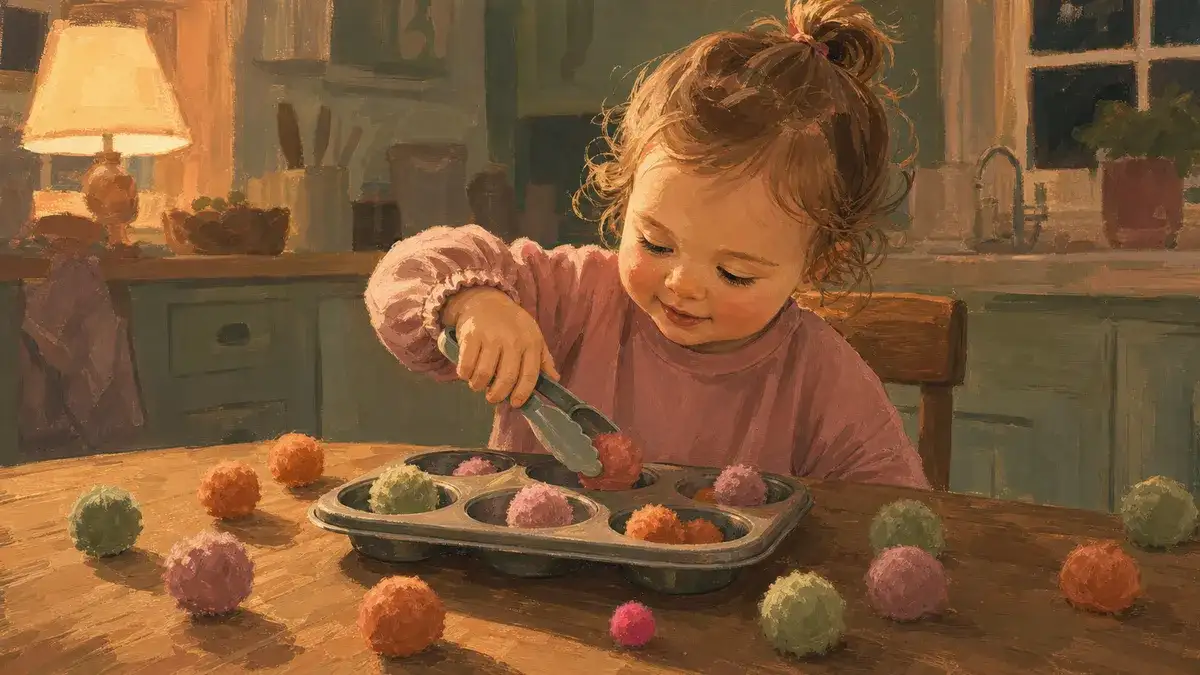
Fine motor play is where my preschool-aide years actually pay off at home. June, my three-year-old, will spend a shocking amount of time moving pom-poms with tongs, and that same setup was a calm, low-pressure way in for Eli when worksheets were a hard no. I lean on his OT for the why behind the skills, then share the at-home version we keep coming back to, the tongs and muffin tin we have run a hundred times, never the styled tray nobody touched.
I'm not an OT, an SLP, or a doctor, and I won't pretend to be. When something belongs to a professional, I say so and point you to one. What I can give you is the been-there version: what we tried, what flopped, and what bought us a calmer afternoon. More about Nora Hayes
Free printables, coming soon
Want these as printables?
I am slowly turning activities like these into free print-and-go pages. Tell me where to send them and you will get an email the day each one is ready.
One email when there's something worth printing. Unsubscribe anytime.