The work behind every crayon grip
Fine motor activities that prep little hands for holding a crayon
Tongs, threading, and tracing that build a grip one pom-pom at a time.
Fine motor activities
noun
Fine motor activities are the small-hands work: pinching, threading, snipping, squeezing, the stuff that builds the muscles behind a pencil grip. Think a toddler dropping pom-poms through a slot, or a four-year-old prying clothespins off a bowl. Not a worksheet, not a drill, just hands busy with something fiddly for ten minutes.
Learning & Fine Motor, the latest
-
 Fine Motor
Cutting Worksheets: 15 Activities Beyond Straight Lines
Bored of straight lines? These cutting worksheets and 15 activities build scissor skills fast. Grab the free printables and start today.
-
 Fine Motor
Activities to Build Fine Motor Skills With Pom Poms
The hand strength behind neat handwriting starts with play. Try 20 pom pom activities to build fine motor skills your kid will actually beg to do.
-
 Fine Motor
Fine Motor Skills Activities for Preschoolers
Ready to write? Spot the 12 readiness signs and the fine motor skills activities for preschoolers that build the hand. Start now.
-
 Fine Motor
Fine Motor Skills Activities for 3-4 Year Olds
Worried your 4-year-old still scribbles? These fine motor skills activities for 3-4 year olds bridge scribbles to real letters. Start today.
-
 Fine Motor
Scissor Practice Worksheets: 10 Steps to Cutting
Most kids snip before they cut shapes. Use these scissor practice worksheets and 10 activities to build the skill step by step. Start today.
-
 Fine Motor
Scissor Cutting for Kids: When and How to Start
Most kids can start scissor cutting around age 2-3. Here's exactly when to begin, how to hold scissors, and the steps to teach it safely.
-
 Fine Motor
Scissor Skills by Age: What's Normal at 2 to 5
Wondering if your child is behind? See exactly what scissor skills are normal at 2, 3, 4, and 5, plus red flags worth watching. Find out now.
-
 Fine Motor
Fine Motor Skills Activity: 5-Minute Warm-Up Routine
A 5-minute fine motor skills activity warms up little hands before handwriting so letters come out neater. Grab the no-prep routine and start today.
-
 Fine Motor
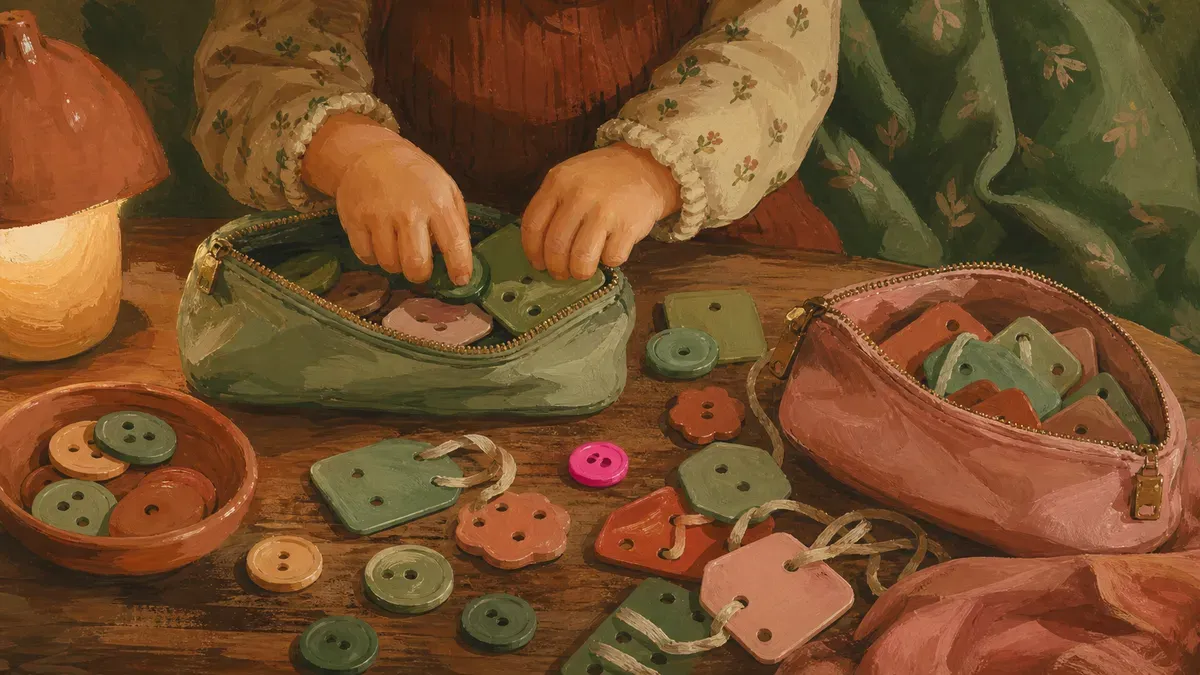
Fine Motor Skills Games for Preschoolers: 9 Busy Bags
Tired of screens at restaurants? These fine motor skills games for preschoolers pack into a zip bag and travel anywhere. Grab the 14 setups.
-
 Fine Motor
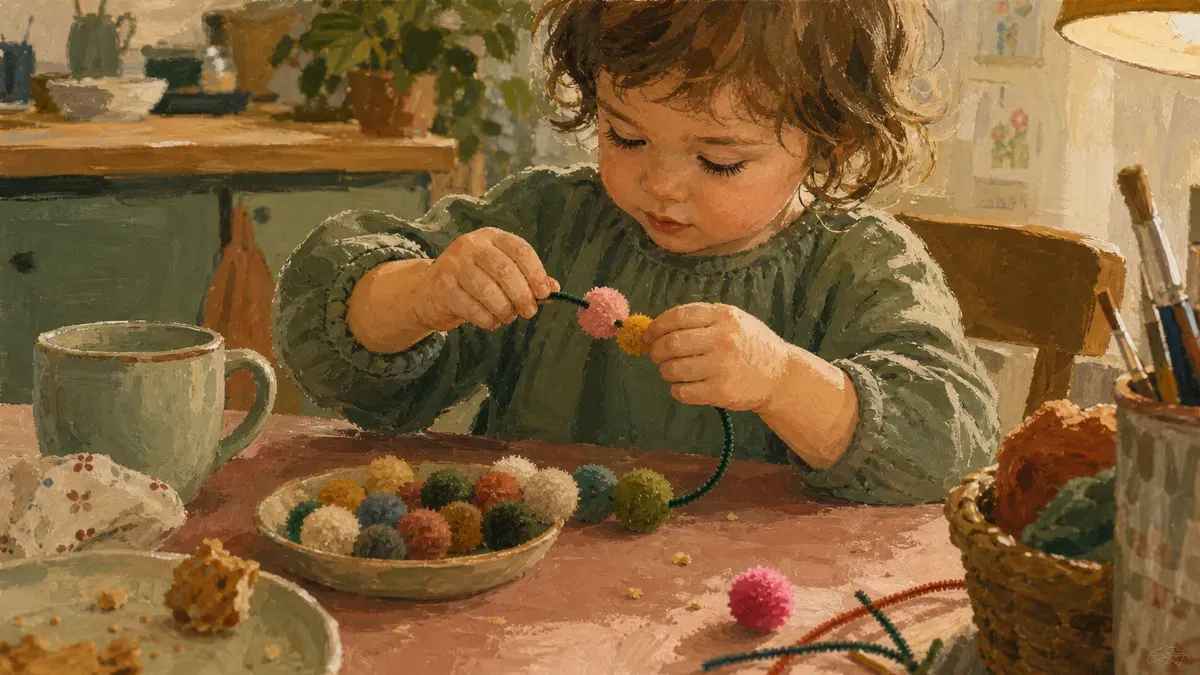
Christmas Fine Motor Activities for Little Hands
20 Christmas fine motor activities that build hand strength for tracing, snipping, and writing. OT-backed ideas, free setups. Try one tonight.
-
 Fine Motor
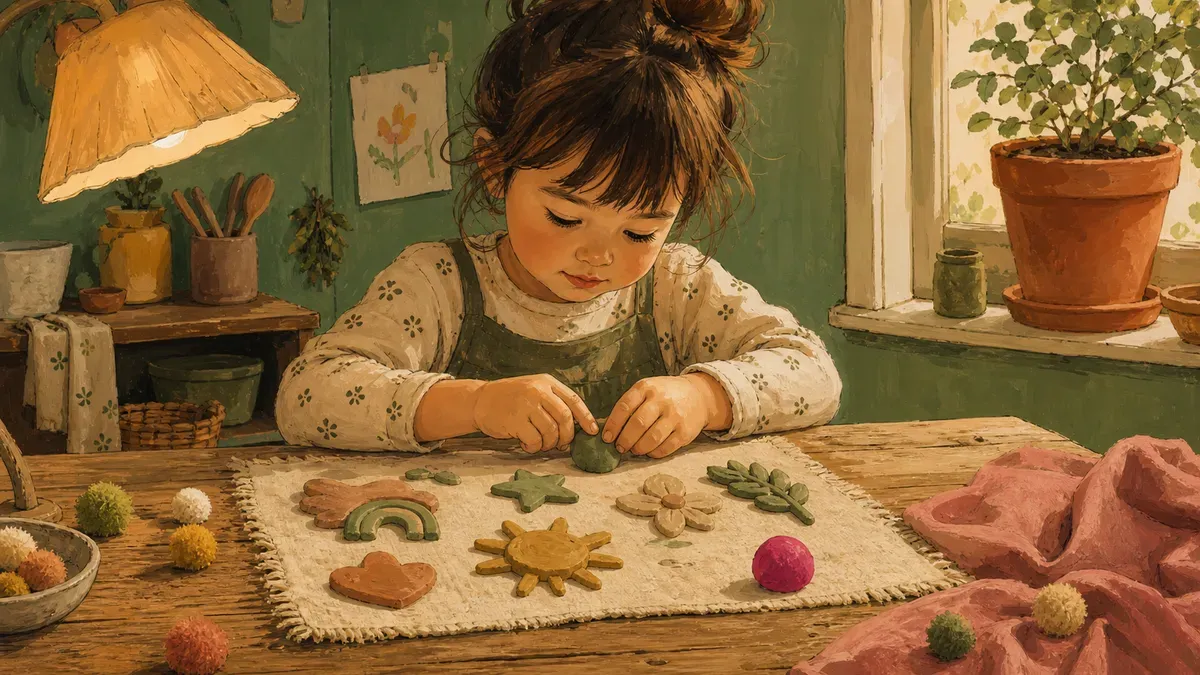
OT Activities Autistic Kids Won't Fight You On
Worksheets end in tears? These OT activities build fine motor skills through play, no paper required. Find one your autistic child will choose.
-
 Fine Motor
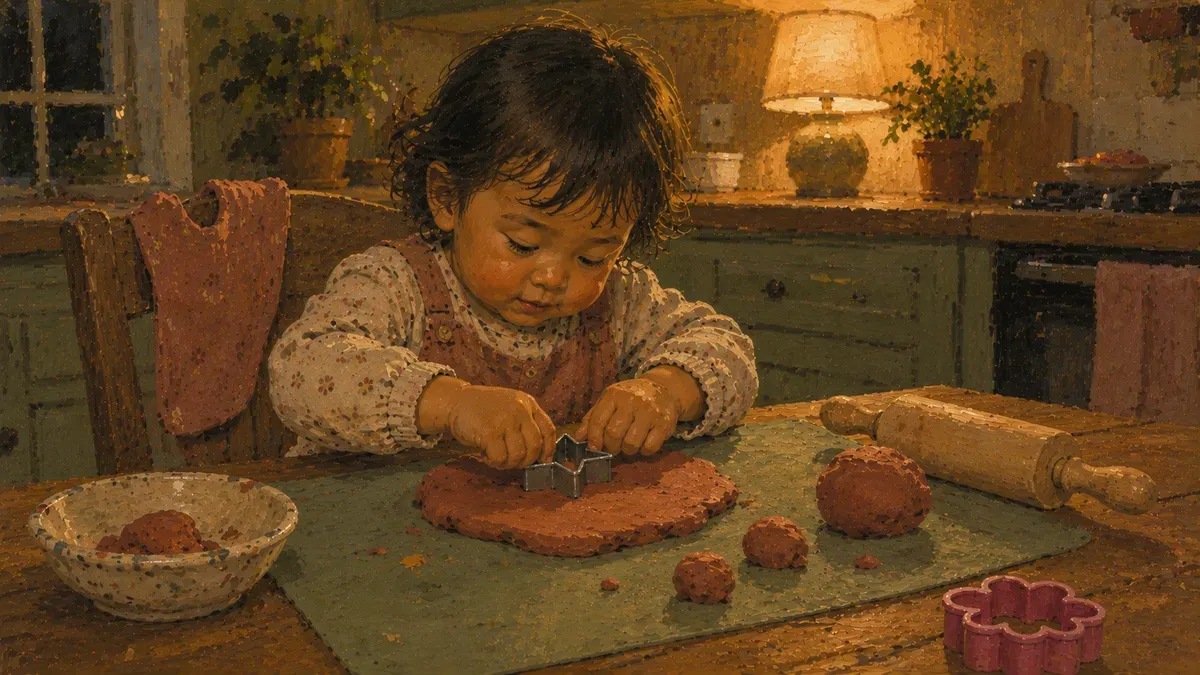
Fine Motor Activities for Preschoolers: Play Dough Guide
Play dough beats worksheets for building little hands. 12 fine motor activities for preschoolers, a no-cook recipe, and tool tricks. Start today.
-
 Fine Motor
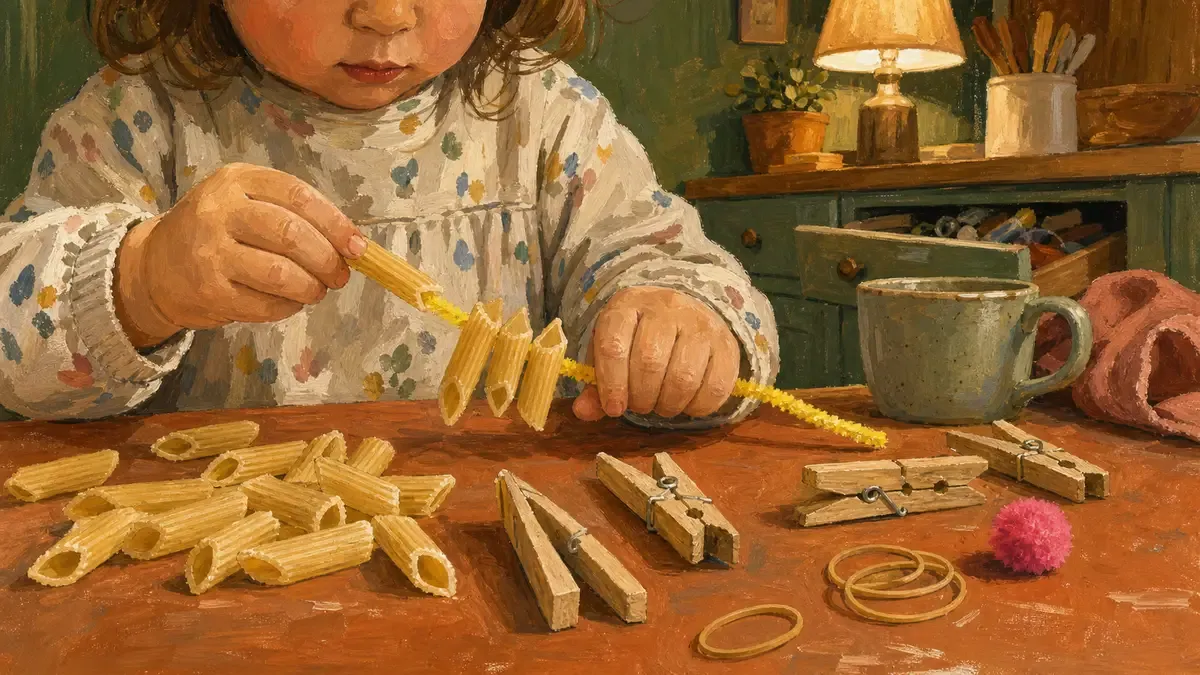
Preschool Fine Motor Activity: No-Buy Junk Drawer Ideas
No craft supplies, no prep: turn your junk drawer into a preschool fine motor activity station that builds pre-writing skills. Start today.
-
 Fine Motor
Fine Motor Activities: The Real Order Skills Develop
Most parents push fine motor activities too soon. Learn the real order these skills develop, age by age, so you stop forcing it.
-
 Fine Motor
Fine Motor Skills for 3 Year Olds: A Real Guide
Most 3-year-olds aren't ready for letters yet. See which fine motor skills for 3 year olds matter and grab free tracing starter pages today.
About this guide
This page is the doing part. How to run one round without setup, which everyday bits build grip versus precision, and the honest answers on age and what is safe to leave within reach. The pincer grasp, that thumb-and-finger pinch a baby nails around their first birthday, is what most of this builds on, and it keeps refining for years. So the same jar of pom-poms grows up with your kid, easier at two, trickier at five.
How to run a fine motor activity that holds a fidgety kid
Pick one tiny motion. Pinch, drop, thread, twist, or snip. One is the whole activity. Pinching pom-poms into an ice tray is plenty, and it beats a busy tray of five things they bounce off in a minute.
Grab a container with a small opening. An empty wipes tub, a parmesan shaker, a slot cut in a yogurt lid. The smaller the hole, the harder those fingers have to work, which is the entire point.
Add a tool if you want more challenge. Toddler tongs, a clothespin, a pipette, kid tweezers. Bare fingers first, then a tool when bare fingers get easy. Each one cranks the difficulty up a notch.
Set it low and sit close. A short table or the floor, you within arm's reach. Small parts plus a kid still mouthing things means you stay right there, every single time.
Let bad form ride at first. Whole-fist grabbing is step one, the neat thumb-and-finger pinch comes with reps, not correction. Cheer the trying, not the technique.
Stop while they still like it. Two good minutes beats ten that end in a flung tray. Leave it set up, walk away, and most kids circle back on their own.
Everyday fine motor materials, grouped by what they build
- Grip and hand strength (the squeeze and pull):clothespins, a turkey baster or pipette, a spray bottle, play dough, tongs, squeezy water toys. Anything that fights back a little. This is the hand strength that shows up later as a kid who can write without their whole arm aching.
- Pincer and precision (the thumb-and-finger pinch):pom-poms, dry pasta, buttons, beads, cereal loops, small stickers, coins for a piggy bank. Tiny things that force the thumb-and-finger pinch. Start chunky, like wine corks or big buttons, and shrink the pieces as the pinch gets neat.
- Threading and the two-hands-together skills:pipe cleaners, shoelaces, lacing cards, a colander with chenille stems poked through, pony beads on a straw. These need both hands doing different jobs at once, the same teamwork behind buttoning a coat or using scissors.
The one to take seriously with small parts: a piece is a choking risk for any kid under three if it fits through a cardboard toilet-paper tube. The CPSC uses a small-parts cylinder about 1.25 inches wide for exactly this, and pom-poms, beads, buttons, and dry pasta all fail it. So under three, or with any kid who still mouths things, stay within arm's reach the whole time and swap to chunkier pieces, like big wooden beads or corks, that will not fit through the tube. Any worry about your child's development or a swallowed object is a call to your pediatrician, not a blog.
Quick answers on this one
What age can a kid start fine motor activities?
Younger than you would guess. A baby working a pincer grasp around their first birthday is already doing fine motor work, picking up a single puff off the tray. The activities just grow with them: chunky and supervised at one and two, smaller and fiddlier by four and five. The only hard rule early on is supervision and bigger pieces, because anything small is a choking risk until about age three.
What is the easiest fine motor activity to set up at home?
Pom-poms and an empty container with a small hole. Cut a slot in a yogurt lid or grab an old wipes tub, and let them drop pom-poms through, then dump and repeat. Clothespins clipped onto the rim of a bowl is another two-minute setup. Both build the pinch, both come from your junk drawer, and neither needs a single craft-store run. When the drop-and-dump gets old, here are twenty pom-pom activities that quietly build the same grip.
Do fine motor activities really help with handwriting?
They build the hand strength and the pinch that handwriting leans on, yes. A kid who can squeeze a clothespin and pinch a tiny bead has the grip control a pencil asks for. I am a mom sharing what worked here, not a therapist, so if your child is really struggling with writing, an occupational therapist is the right person to ask. Day to day, a five-minute warm-up before letters genuinely helps little hands loosen up.
My kid hates these activities. What do I do?
Drop the table and the worksheet feel completely. Hide the pom-poms in a sensory bin so the fine motor work is a side effect of digging, or turn it into tongs-and-snack relay where the prize is edible. For a sensory-seeker or an autistic kid who fights anything that looks like a drill, follow what they already love and sneak the pinching into that. The activity they will actually do beats the developmentally perfect one they refuse.
How long should a fine motor activity last?
Shorter than you think, and you stop on a high note. Two to five focused minutes is real work for little hands, and dragging it out is how you teach a kid to hate it. Leave the setup out after you walk away and most will wander back for a second go on their own terms, which is where the reps quietly add up.
Free printables, coming soon
Want these as printables?
I am slowly turning activities like these into free print-and-go pages. Tell me where to send them and you will get an email the day each one is ready.
One email when there's something worth printing. Unsubscribe anytime.