Poop in the Toilet: When Your Kid Pees Fine but Refuses

Some links here are affiliate links. If you buy through one, I may earn a small commission at no extra cost to you. As an Amazon Associate I earn from qualifying purchases. I only point to things I'd actually use with my own two.
When a potty-trained child refuses to poop in the toilet but pees fine, it’s almost always withholding, not defiance. Poop withholding can spiral into real constipation quickly, which makes the fear worse and the cycle harder to break. I’m Nora Hayes, a former preschool aide and mom who’s been through this with my own kid, and this article walks through why it happens, the one gentle move that breaks the standoff, and how to keep a rough week from turning into a medical problem.
The plan in brief:
- Stop forcing it. Offer a diaper for poop, keep pee on the potty, and take the fight off the table.
- Sit them on the potty 20 to 30 minutes after a meal, when the body’s own urge to go is doing the work for you.
- Soften the stool with extra water and high-fiber food so it stops hurting, because pain is what started the holding.
Why Your Kid Pees on the Potty but Won’t Poop
You can fix the plumbing and still hit a wall, because the holding isn’t only about a hard stool.
Pooping Feels Bigger and Scarier Than Peeing
Pee is quick. A poop is a different event: it builds, it feels heavy, and then a piece of them drops away into the bowl. Add one hard, painful bowel movement and the lesson sticks fast.
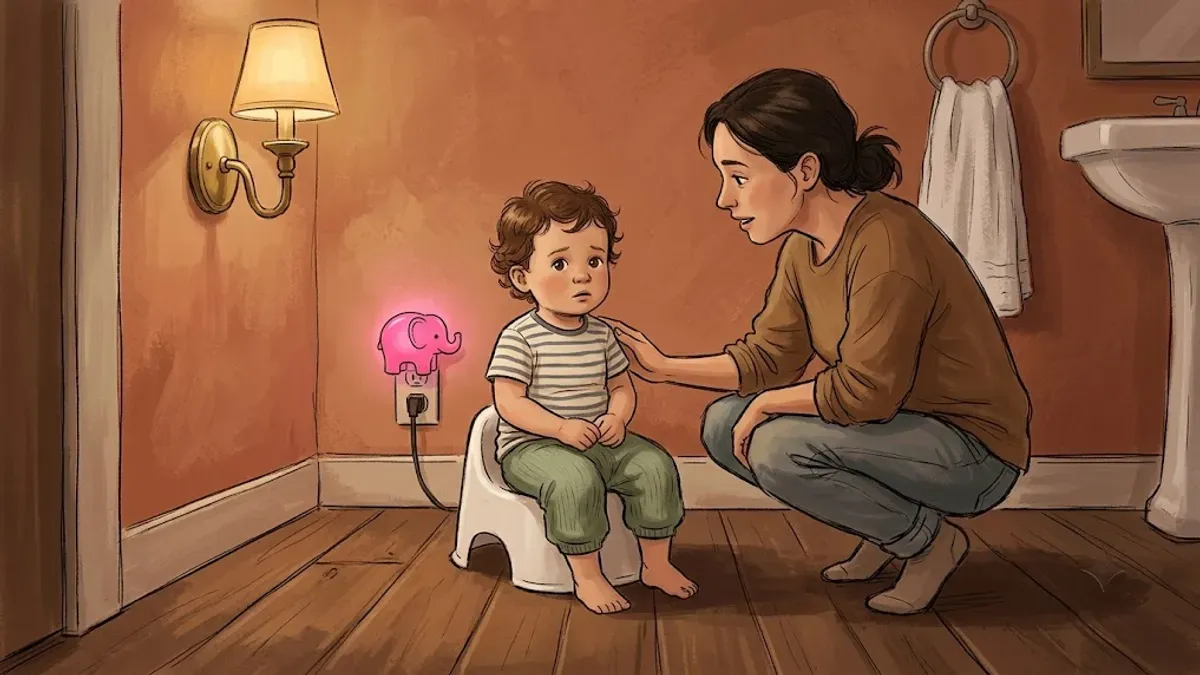
The body learns pooping hurts, so it clamps down the second the urge shows up. That’s stool withholding, and it’s normal wiring, not defiance. A 1997 study of 482 toddlers found kids with frequent hard stools were more than twice as likely to start refusing the toilet, with pediatric guidance on stool withholding in toddlers noting the pain almost always came first.
That fear can grow into real anxiety around potty time, and it often outlasts the original hard stool by weeks. Pee and poo are not the same job to a toddler, which is why one stays easy on the potty while the other turns into a daily standoff partway through potty training.
Control, Routine, and the Need for Privacy
Not every standoff starts with pain. Pooping is the one thing in a toddler’s day they fully control. So when the rest of life feels chaotic, that grip tightens. The American Academy of Pediatrics calls regression like stool refusal a healthy way for a child to meet emotional needs when things feel overwhelming, and links it to a new baby, a move, or an illness.
A lot of kids learned to go standing up, in a diaper, often hidden behind the couch. The potty asks them to do it sitting, exposed, in a new spot.
Some need the door shut and zero audience before they’ll relax enough to let go.
How to Get a Toddler to Poop in the Toilet, Step by Step
The tricks that actually work tonight split into two moves: get the body cooperating so a poop is easy to pass, and get the bathroom feeling safe enough for your toddler to let one go.
Time Potty Sits Around Meals and Soften the Stool
Mealtimes do the work for you. Eating triggers the gut to push, so that window right after a meal is your best shot.
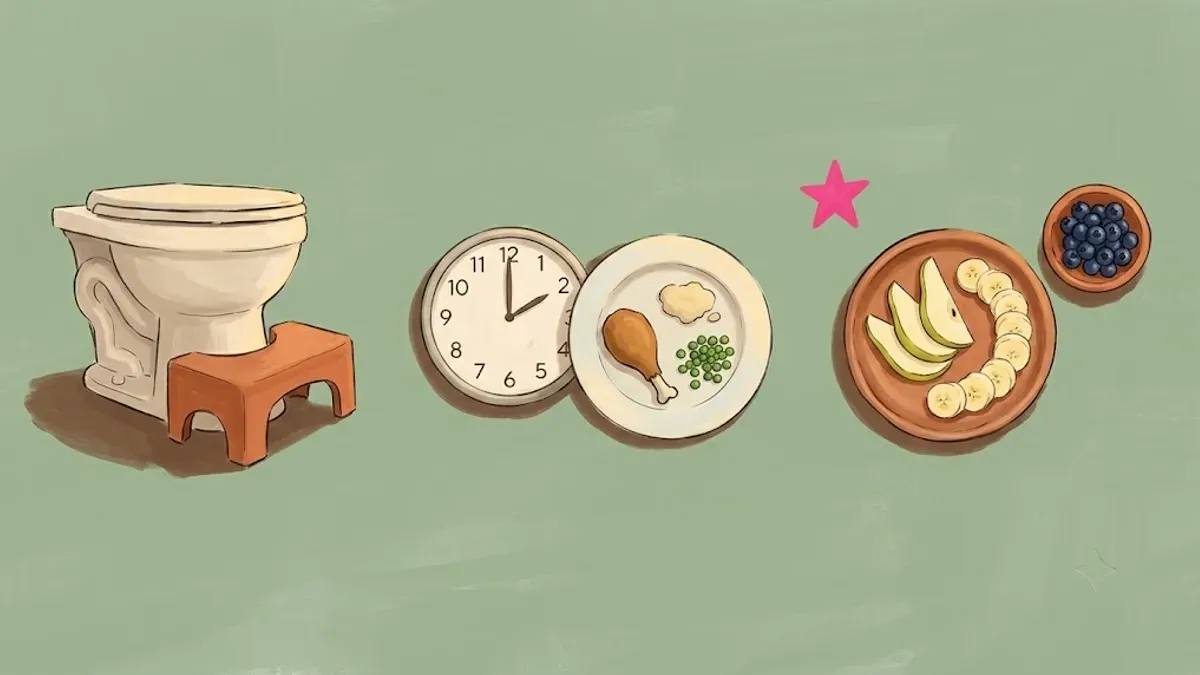
- Sit them 20 to 30 minutes after a meal, riding the gastrocolic reflex. In one study of toddlers, 72% pooped within 30 minutes of eating, enough to make mealtime your timing anchor.
- Keep sits short, calm, and feet flat on a stool. A few quiet minutes, no lecture, then done.
- Soften the stool so it never hurts: more water, plus high-fiber food recommendations for children like fruit, beans, and oats.
At my house, pairing the sit with a potty training reward chart for showing up (not for producing) took the pressure off. June got to add a dino to a sticker chart for sitting, never for performing, and its 6,800-plus reviews at 4.6 stars say that reward-the-effort version works for plenty of us.
Set Up the Bathroom and Drop the Pressure
A toilet is a scary place to dangle.
- Put a footstool under their feet. APTA Pelvic Health says getting knees above the hips, leaning forward with elbows on knees, relaxes the muscles that have to let go (keep feet flat on the stool, never dangling).
- Add a toilet insert. A smaller seat means they’re not gripping the edge to keep from falling in, and a kid who feels secure stops clenching.
- Give them the room. Shut the door, hand over a book, look away. Privacy or a quiet distraction takes the spotlight off the job.
- Cheer, don’t bribe or scold. “You sat, that’s huge” beats a sticker for a result they can’t force, and it definitely beats punishment, which only tightens the grip.
Footstool or seat insert, you don’t need both to start, and neither one is a $40 gadget. Here’s when each earns its spot:
| Gear | What it does | Parents’ rating | Worth it when |
|---|---|---|---|
| Toilet footstool | Raises the knees above the hips so the muscles can finally let go | 4.7★, 10,600+ reviews | Every kid, every sit, the one I’d never skip |
| Toilet training seat insert | Shrinks the opening so they stop white-knuckling the edge to stay out of the bowl | 4.5★, 9,600+ reviews | Your kid’s on the big toilet, not a floor potty |
Both are Amazon’s Choice picks, so you’re not gambling on a no-name.
The goal isn’t a perfect poop today. It’s a kid relaxed enough to try.
Moving From Diaper Poops to the Potty Without a Fight
Plenty of kids who pee on the potty without a second thought will happily poop the second you hand them a diaper. That’s information, and it’s the bridge you’ll use.
When Your Child Asks for a Diaper to Poop
Give them the diaper. I know that feels like going backward, but a kid who poops in a diaper is a kid who poops, and that’s the win you want right now. Refusing the diaper just teaches them to clamp down, and that’s how a standoff turns into real constipation.
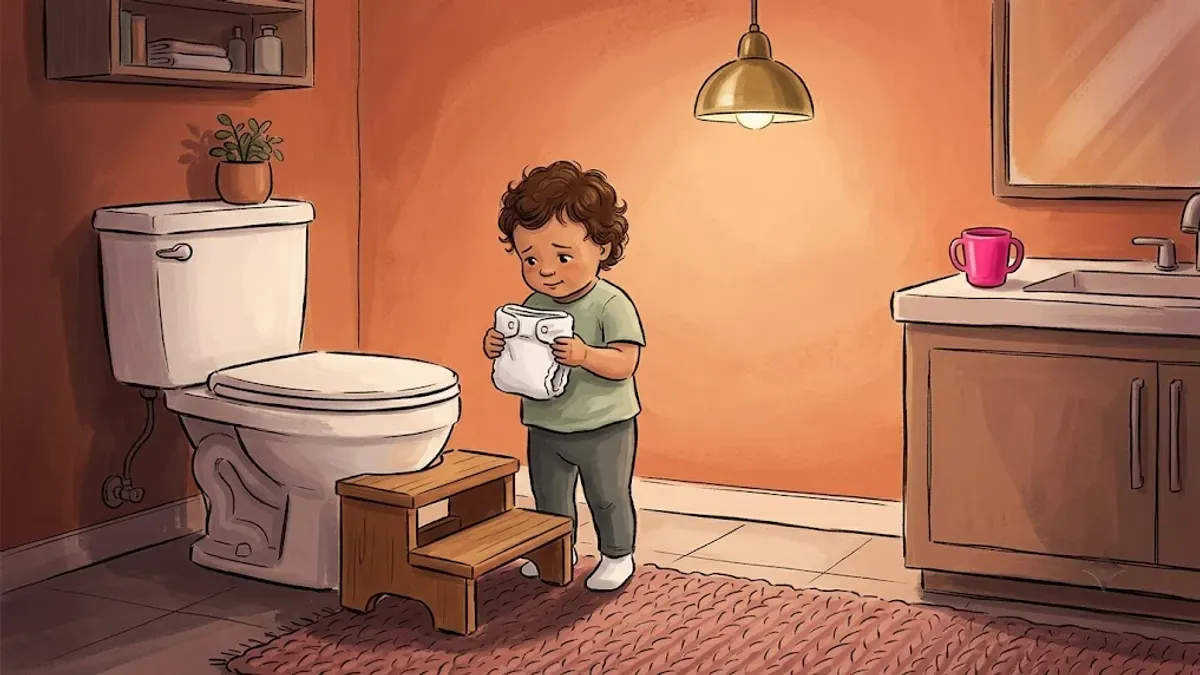
The American Academy of Family Physicians reports that when parents were told to pause training and return to diapers, 89% of kids started using the toilet on their own within three months. Backing off works.
Once pooping is comfortable again, fade the diaper toward the toilet one small step at a time:
- Have them poop in the diaper, but standing in the bathroom
- Then sitting on the closed lid, diaper still on
- Cut a hole in the diaper so a little drops through
- Then the diaper goes, and it’s poo on the toilet
Move at their pace. If you started cold with the 3 day potty training method and hit this wall, this slow fade is how you get unstuck.
Scripts and Words That Lower the Stakes
A pressured kid clenches; a supported one is willing to try.
A few that worked at my house:
- “Poop wants to come out. Let’s give it a home.”
- “You’re in charge of your body. I’ll keep you safe.”
- “Your job is to sit. The poop knows what to do.”
Notice none of them beg or bribe.
Sit a stuffed animal on the potty and narrate the whole thing, praising the doll for trying. Role-play takes the fear out before the real moment, and it makes pooping feel like ordinary business.
When Holding It Becomes Constipation or Regression
Role-play and soft scripts work when you catch the holding early, but sometimes a few skipped poops quietly snowball into something a kind voice can’t fix on its own. Two patterns turn it into a bigger problem: constipation that hardens with every skipped poop, and regression in a three-year-old who was doing fine last month.
The Withholding-Constipation Cycle
Holding it once feels safe. Do it for days and the stool sitting in the colon dries out, hardens, and the next poop hurts worse than the last. That pain teaches one lesson: hold longer. Left alone, this is how ordinary stool withholding slides toward potty training constipation and, at the far end, encopresis, the involuntary leaking an NIH StatPearls review links to constipation in 95% of kids who develop it.
If your toddler is holding her pee while potty training, it’s usually connected: a kid bracing against a painful poop tends to grip everything, so pee holding shows up right alongside the poop refusal.
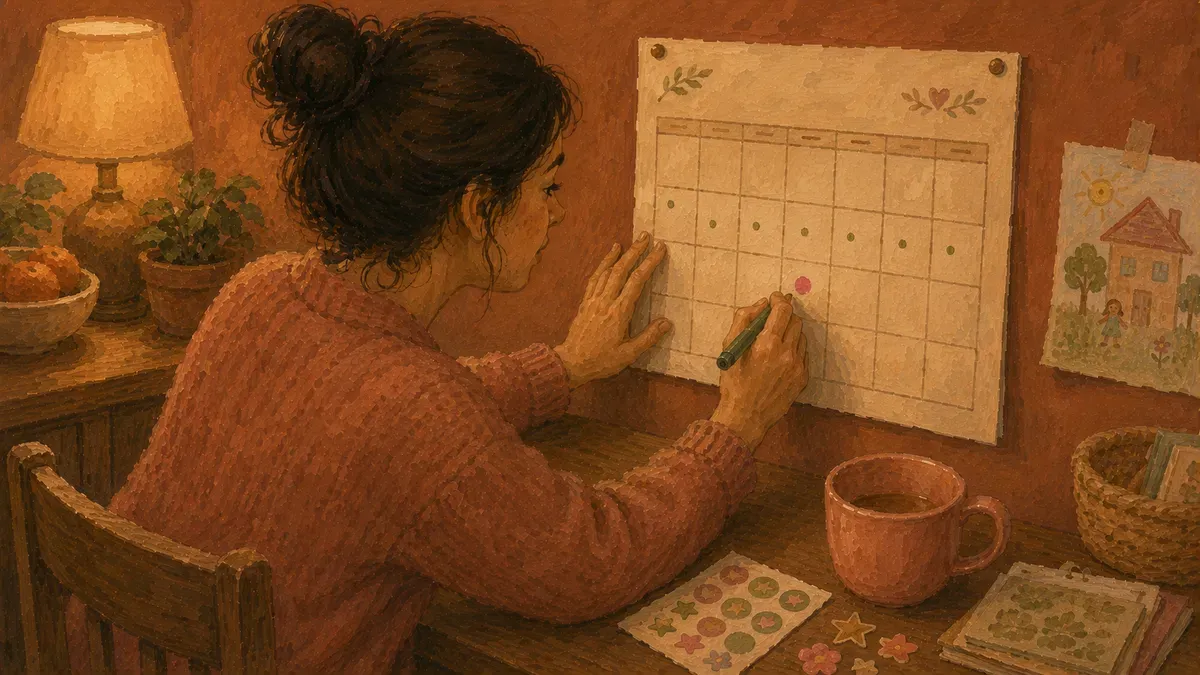
A stool softener, only with your pediatrician’s okay, takes the pain out so the body stops bracing. The standard one is plain docusate, rated 4.7 stars by more than 1,600 parents, but the whether and the how much stay your doctor’s call, not a blog’s. A simple poop log, a dot on the calendar for each bowel movement, shows the pattern before it becomes a crisis. Days with nothing on the log are your cue, same as in what to do when your 3 year old not potty trained yet.
Regression, Big Changes, and the 3-Year-Old Holdout
A kid who was nailing it for months and suddenly clamps down isn’t broken, and you didn’t undo your own work. A new baby, a move, starting preschool, a grandparent in the hospital. The poop is where a three-year-old voices the wobble they can’t put into words yet.
So here’s how to get a 3 yr old to poop in the toilet again: don’t relaunch boot camp. Keep the after-meal sits and calm tone, and ease the pressure back a notch. Most regression settles once the kid feels steady again. Stay boring and consistent.
Red Flags That Mean It’s Time to Call the Pediatrician
Almost all of this settles at home with patience. A handful of signs, though, mean the gentle approach has done what it can and a doctor should take it from here. Knowing how to read those signs, and when to stop trying to get your toddler past the poop standoff at home and just pick up the phone, is part of doing this well.
Call the pediatrician if any of these show up:
- Trouble pooping on the toilet that hasn’t budged after two to three months of trying
- Vomiting, a hard or swollen belly, or a sudden drop in appetite
- Weight loss, or weight that has stalled
- New bedwetting, daytime leaks, or signs of a UTI (burning, constant urgency, fever)
That last group catches a lot of parents off guard. Cleveland Clinic points out that holding stool too long can spill over into the bladder, bringing leaks, urine trouble, and infections, so a sudden pee problem can trace straight back to a stalled poop.
None of this means you failed. If you’re still early and unsure your child was ready at all, revisit the signs your child is not ready for potty training, and keep our complete potty training guide handy for the long game. Make the call, then get back to the boring, steady routine. That’s what carries you through.
Found this useful? Save it for the next rough afternoon.
Questions parents ask me about this
Why does my potty-trained child refuse to poop in the toilet?
Almost always it's withholding, not stubbornness. Peeing is quick and barely noticed, but a poop builds and drops away, which can feel like losing a part of their body in a strange spot. Add one painful, hard bowel movement and a toddler learns that pooping hurts, so they clamp down. Control and privacy play in too, since pooping is the one body function they fully run.
Should I let my toddler poop in a diaper instead of fighting it?
Yes, at least to start. A kid who poops in a diaper is still pooping, and that's what keeps them from holding it until it hardens into constipation. Give the diaper, keep pee on the potty, and treat the diaper as a bridge rather than a setback. Once the clamping fear eases, you can fade the diaper slowly at their pace.
How long does the poop-refusing stage usually last?
There's no fixed timeline, and it varies a lot from kid to kid. For most, the stage runs weeks to a couple of months once you soften the stool and drop the pressure. Pushing harder tends to stretch it out, not shorten it. If you see no improvement after two to three months, that's your cue to loop in the pediatrician.
Is it normal for my toddler to hold their poop for days?
A day here and there happens, but multiple days with no bowel movement is a warning sign, not something to wait out. Holding dries and hardens the stool, so the next poop hurts more, which teaches them to hold even longer. That self-tightening loop is how real constipation sets in. Soften things up with water and fiber, and call the doctor if the gap keeps growing.
Can I use rewards or a sticker chart to get my toddler to poop on the potty?
They can help, with one rule: reward showing up, not performing. Give the sticker for sitting calmly and trying, never make it depend on producing a poop. A chart tied to a result just adds pressure, and a pressured kid clenches. Keep it light, and skip punishment entirely, since that only tightens the holding grip.
What foods help a constipated toddler poop more easily?
Water first, then high-fiber foods like fruit, beans, and oats. The goal is soft, easy stool so passing it never hurts, which is what breaks the fear loop. Pears, prunes, and berries tend to be easy wins, and plenty of fluids do half the work. If diet changes aren't moving things, check with your pediatrician before reaching for anything stronger.
My toddler is holding her pee while potty training, is that connected to the poop refusal?
Often, yes. Kids who clamp down on poop frequently start holding their pee too, and a backed-up bowel can press on the bladder, leading to leaks, accidents, or UTIs. Get the stool moving and the pee issues usually ease, but new bedwetting or signs of a UTI are worth a doctor's visit.
Written by
Nora Hayes
Mom of two and a former preschool aide. I share the screen-free sensory play and calm-down ideas I test at my own kitchen table, plus what the moms in my little meet-up swear by. A parent passing on what works, not a doctor or a therapist.
More about NoraKeep going
All Potty Training-
 Potty Training
Potty Training Reward Chart: 20 Ideas Under $3
Skip the toy aisle: build a potty training reward chart with 20 ideas under $3 you already own. Grab the plan that motivates a stubborn toddler.
-
 Potty Training
How to Potty Train a Boy (and How a Girl Differs)
How to potty train a boy in 3 to 6 months: the readiness signs, the step-by-step method, and the small things that differ for girls.
-
 Potty Training
Potty Training Sticker Chart Printable (Free Download)
Free potty training sticker chart printable that survives travel and routine resets. Print, sticker, reward, reuse anywhere. Download now.
-
 Potty Training
Potty Training Certificate: A Just-Do-This Guide
Charts skip the finish line. Make a potty training certificate that gets your toddler over the line for real. Print yours tonight.