Social Stories for Kids With Autism: 20 Essentials


I am a parent sharing what worked at my house, not medical advice. For anything to do with your child's development or sensory needs, talk to your OT or doctor.
Social stories are short, first-person scripts that walk your child through a tricky moment (a haircut, a fire drill, a new babysitter) before it actually happens, so the moment feels familiar instead of scary. For kids with autism especially, that preview can be the difference between a meltdown and a kid who walks in ready.
I’m Nora Hayes, a former preschool aide and mom of an autistic sensory-seeker, and below you’ll find the 20 social stories our family and parent group reach for most before kids turn seven, plus a simple 6-step writing method so you can write the first one tonight on a blank doc or index cards.
The plan in brief:
- Pick one routine your child fights, then write 5-10 short first-person sentences about it.
- Read the story together once a day for 1-2 weeks before the real event happens.
- Track what calms down, then add the next story from the 20-story list.
What a Social Story Is and Why It Works for Autism
Think of a social story as a tiny script for a moment your kid keeps fighting. It walks them through what’s about to happen, in order, from their point of view, before the moment arrives. Haircut, fire drill, the dentist chair, the morning everything melts down. You’re not bribing or warning. You’re just letting them rehearse.
The term comes from Carol Gray, who built the whole approach. By her definition, a social story is a short narrative that accurately describes a context, skill, or concept, written to a set of official Social Stories criteria. That “accurately” part matters. These aren’t pep talks. They describe the real thing, honestly, so it isn’t a surprise.

Most of the writing is the calm, factual kind:
- Descriptive sentences say what happens (“At the dentist, I sit in a big chair that leans back”).
- Perspective sentences name what people feel or think (“The dentist is happy to see clean teeth”).
- Directive lines (what to do) are kept rare, at least three times fewer than the describing ones.
That’s deliberate. A page full of “you must” reads like a rulebook, and a wound-up kid stops listening.
So why does this help so many autistic kids? Because unknown plus fast equals anxiety. A surprise transition is where a lot of meltdowns actually start. Pair the words with pictures and you’ve got visual supports a kid can hold, point to, and revisit, which is why good social stories autism resources almost always come illustrated.
This is the workhorse behind so many social stories parents swear by, and it’s where a brand-new story social-skills practice tends to start. None of it is a cure or a fix. ASD social stories and the rest of this toolkit simply buy you a calmer, more predictable moment. That’s the whole job, and it counts.
How to Write a Social Story for Your Child in 6 Steps
You don’t need a degree to write one of these. You need a quiet twenty minutes and a clear picture of the moment that keeps going sideways. Here’s the whole method in one line: pick one tricky situation, describe it from your child’s point of view in calm, true sentences, end on what they can do, and read it together before the moment hits.
That’s it. Now the steps.
- Pick one moment, the specific situation your kid braces against.
- Watch what actually happens before you write a single word.
- Write in first-person, your child’s voice, present tense.
- Lead with describing, not bossing.
- Keep the language positive and true.
- Personalize it with their name, their real classroom, their teacher.
Step one: pick the moment. One situation, not ten. Here are the usual suspects:
- The haircut
- The school drop-off
- The dentist
Start with one. Trying to cover a whole day in a single story is how these flop.
Step two: watch what actually happens. Before you write a word, notice the real sequence. At my house, Eli’s morning meltdowns weren’t about getting dressed, they were about the surprise of socks before breakfast. Your story can only fix what you’ve actually pinned down.
Two things worth clocking first:
- Where exactly does it start going wrong?
- Is it the moment itself, or something right before it?
Step three: write it in first-person. “I” sentences, your child’s voice, present tense. “When the bell rings, I line up by the door.” This is where social stories and autism meet something simple: a kid hears their own voice narrating the moment, and the unknown gets a little smaller.
Step four: lead with describing, not bossing. Carol Gray’s framework names four sentence types, descriptive, perspective, directive, and affirmative, laid out in this guide to writing and using social narratives from the Indiana Resource Center.
- Descriptive (what happens in the situation)
- Perspective (how people feel about it)
- Directive (what to do, used once and gently)
- Affirmative
carol gray calls this the accurate-description rule: every directive in the draft gets rewritten as a statement of what happens.
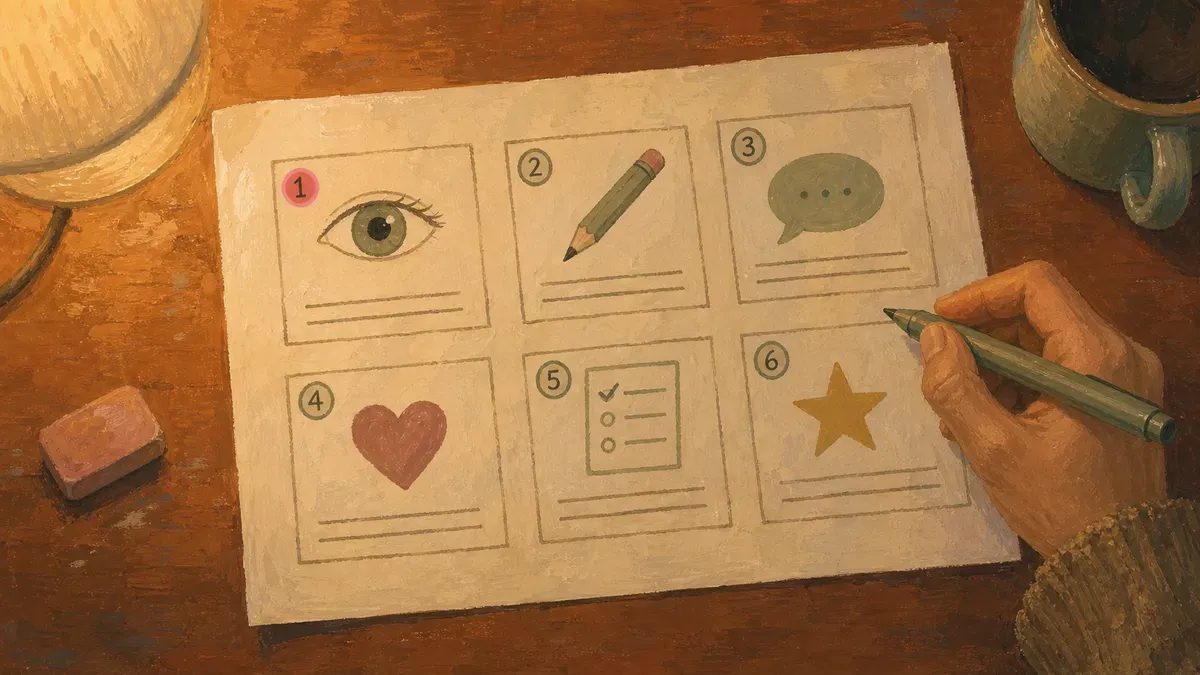
“I keep my hands in my lap” beats “I don’t hit.” That’s positive language doing its job. And never promise what you can’t deliver. “Sometimes the line is long” is honest. “The dentist will be quick” might be a lie your kid clocks instantly.
Step six: personalize it. Set the expectations they’ll actually meet, then end on an affirmative line: “I can do this.” A generic template is fine to start, but the version of a social story for autism that truly sticks names their world.
Read it back out loud. If it sounds like you nagging, rewrite. If it sounds like your kid calmly walking themselves through, you nailed it.
20 Social Stories Every Autistic Kid Needs Before Age 7
You don’t need all twenty at once. Here’s the shortlist I’d build first, sorted by where the meltdowns actually happen: at home, out in the world, and at school.
Daily Routines and Self-Care Stories
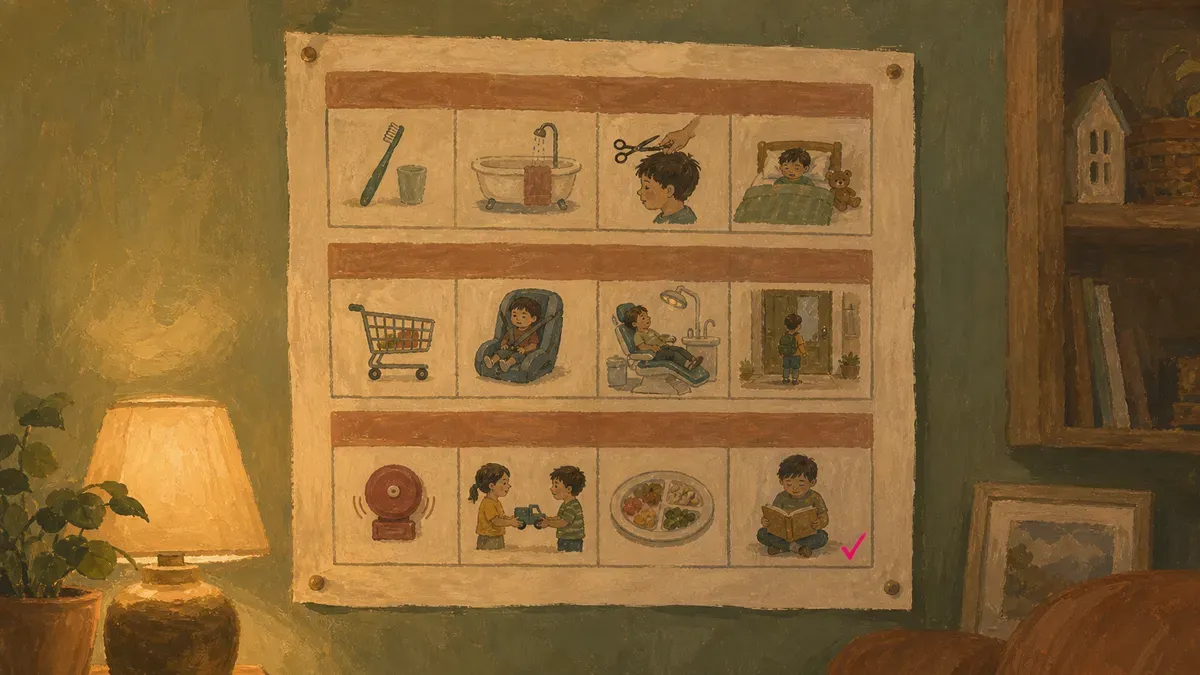
Start at home, because the home routines repeat every single day and that’s where a story pays you back fastest. These are the bread-and-butter social stories for kids who melt down at the same predictable moment, morning and night.
My first five, in order:
- Bedtime (the wind-down sequence, lights out, what to do when you can’t sleep yet)
- Brushing teeth (the buzz, the taste, two minutes that feel like ten)
- Getting dressed (picking clothes, the dreaded seams and socks)
- Bathing and hair-washing (water on the face, the part most kids fight)
- Getting a haircut (the cape, the clippers, sitting still for a stranger)
Potty training deserves its own story, and honestly its own deep breath. Getting toileting down matters beyond the bathroom: PMC research on daily living skills shows it ripples into confidence and routine in ways that are easy to underestimate.
A simple potty training social story walks through each step before you’re standing in a bathroom at the worst possible moment. Build the self-regulation and coping strategies right into the script, so the story does the calming for you.
Medical and Community Outings
Leaving the house is where the volume gets turned up. New place, new people, no control, and a kid already running on a short fuse. These social story examples cover the outings that wreck a calm morning fastest.
Write one each for:
- The dentist chair
- A doctor visit with shots
- The grocery store
- A restaurant or café
The dentist one earns its spot. In one study of children with autism, more than two-thirds scored above the clinical cutoff for elevated dental anxiety, with “having a tooth taken out” the scariest part for most, per Park and colleagues in Frontiers in Psychiatry. A story sets the expectations before the bright light and the buzzing tool ever show up.
That’s the whole game with community outings: walk through the transitions on paper first, on the couch, where nothing’s actually happening yet, so the real thing lands like a rerun instead of an ambush.
School, Feelings, and Social Skills
The last batch is the trickiest, because you can’t be in the room. These build social skills for kids with autism around the stuff that happens at school when you’re not there to translate.
My go-to set:
- Sharing and turn-taking (the toy isn’t gone, it’s coming back)
- Personal space (how close is too close, and reading the room)
- Asking to join in (the words for walking up to a group)
- The fire drill (that alarm is loud, and a lot of autistic kids hear it louder than most)
The fire drill one matters more than parents expect. Heightened hearing sensitivity is common with autism, so a sudden alarm can feel genuinely painful, not just startling. A story tells them it’s coming, it’s loud, and it ends.
Kids who practice reading what other people are thinking and feeling, what Eli’s OT calls theory of mind, tend to get more flexible in the back-and-forth over time, and that’s the quiet work these stories are doing. You’re not fixing anything. You’re handing your kid the script for a moment they’d otherwise face cold.
How to Read a Social Story So It Actually Sticks
The script only works if your kid hears it before the moment arrives, not while it’s already falling apart. Writing a good story is half the job. The ritual around reading it is the other half.
- Read it at the same time each day. Pick a calm window before the target situation comes up. Bedtime the night before the dentist. Breakfast the morning of the haircut. That consistency builds the mental rehearsal.
- Keep your voice neutral. Read it like you’re narrating, not coaching. A steady tone tells your child this is information, not a correction.
- Let them hold the book or card. Some kids need to touch and turn pages to stay engaged. Let them lead that part.
- Repeat for at least a week. A pilot study on social-story repetition found that children who read their social story once daily for five consecutive days showed significantly reduced anxiety before real-world transitions. One reading rarely does it.
- Skip the quiz. No “what do you do when…?” after. Repetition does the work; recall testing gets in the way.
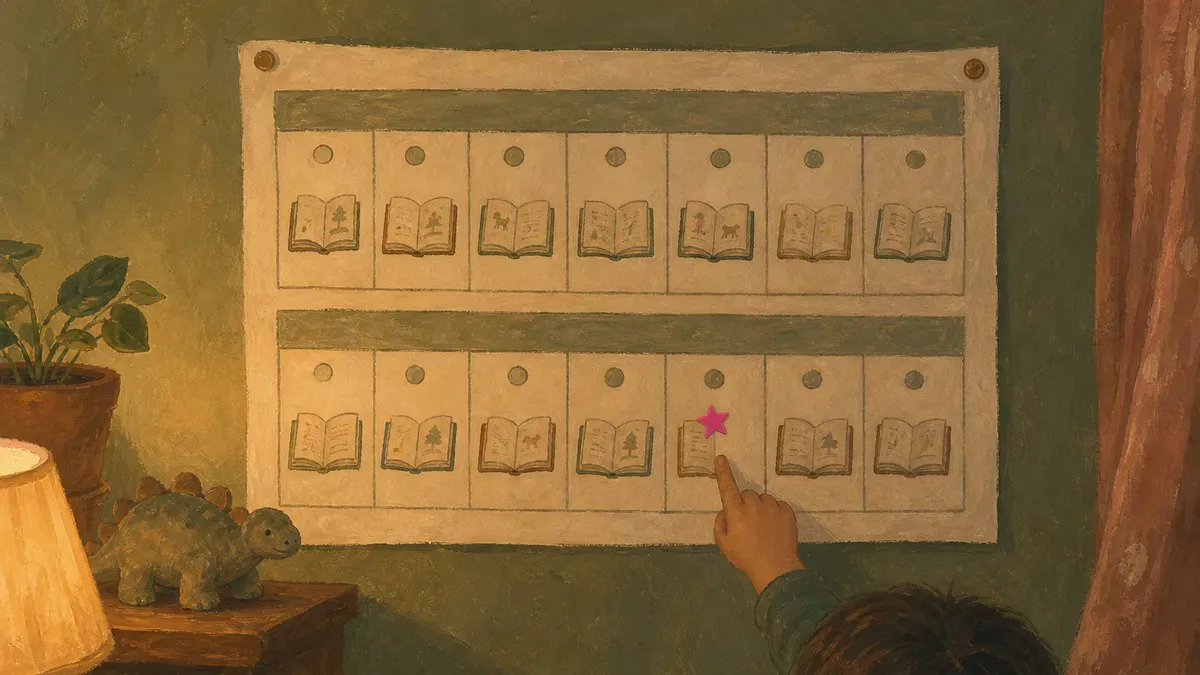
Role-playing can deepen the learning for kids who need to physically rehearse rather than just hear. After a few days of reading, try acting the scenario out together. Keep it low-stakes. If they disengage, you’ve still done the repetition, and that counts.
Some families layer in ABA-style videos alongside the story for extra visual reinforcement. Video modeling that follows the same communication sequence can strengthen what the words on the page started. But the story is the foundation. For more on building a solid read social story sticks routine that holds up over weeks, the timing and early intervention framing matters as much as the script itself.
Editable Templates vs. Free PDF Downloads
A free PDF you found at midnight is a real lifesaver, right up until your kid points at the picture and says “that’s not my classroom.” That’s the whole tension.
Here’s where free autism resources for parents shine: when the situation in the story matches your child’s world closely enough. Generic potty or haircut stories do the job for plenty of kids. Other times the gap is the problem, and a fill-in-the-blanks version wins.
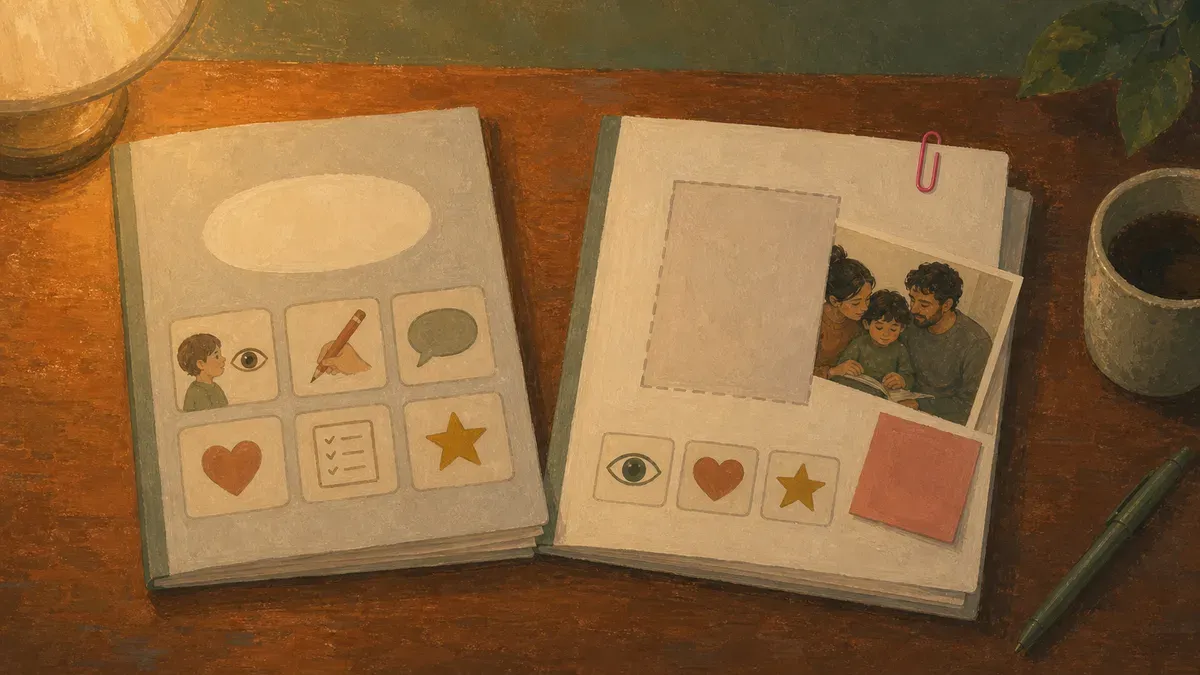
This is what you’re weighing when you choose between a finished PDF and a template you build out yourself:
| Free PDF download | Editable template | |
|---|---|---|
| Setup | Print and go, zero prep | 10-15 min to personalize |
| Photos | Generic clip art | Your kid, your home |
| Reuse | One fixed version | Tweak per child or week |
| Best for | A story that already fits | A story that needs your details |
The sweet spot most parents land on: a starter library of free autism activities and printables for the common stuff, plus a couple of editable files for the situations that are stubbornly specific to your kid.
If you want the personalized route without building from scratch, Autism Speaks offers eight free editable templates in PowerPoint, made with the University of Washington READI Lab, covering restaurants, store trips, potty training, play dates, and taking turns. Pair them with photo-based visual supports and you’ve got something that looks like your child’s actual day. For more on why the swap-your-own-photos approach tends to stick, see my breakdown of editable social story templates, including the Autism Little Learners style sets parents keep asking me about.
Common Mistakes Parents Make With Social Stories
The story isn’t the problem. Usually it’s how it was written, or when it got pulled out.
Here’s what trips up most families:
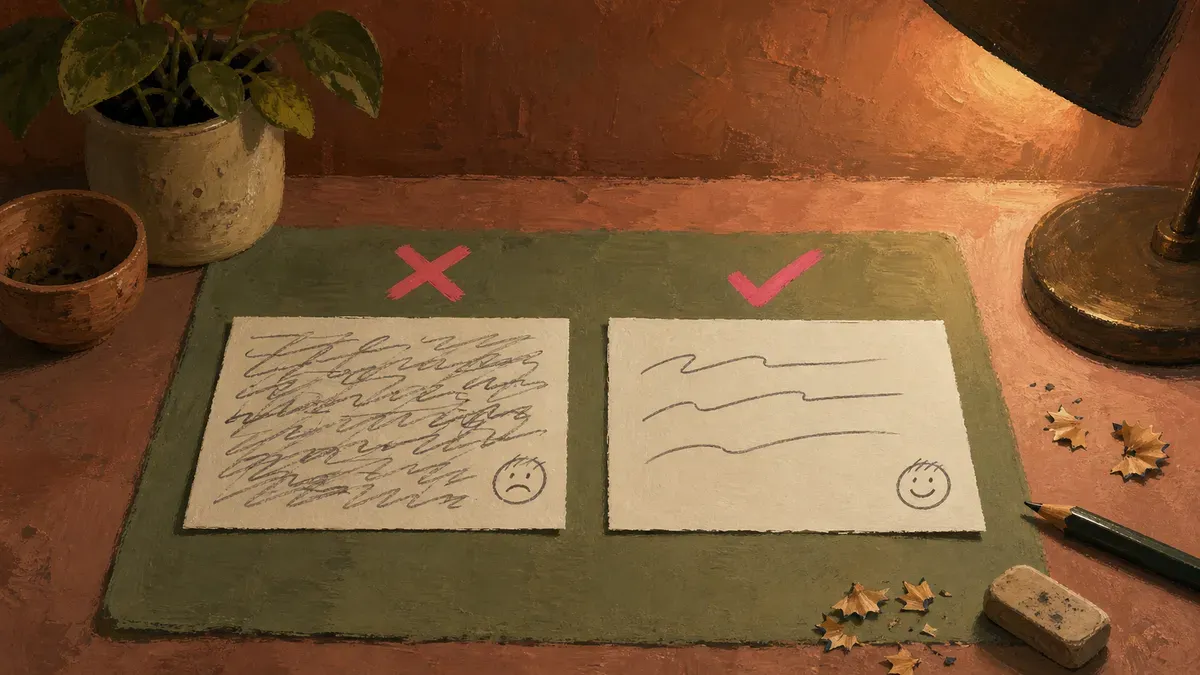
- Writing it like a rule list. A social story describes the world from your child’s view. Flip it into a list of commands and you’ve got a directive sentence parade instead of a script they can absorb. Lean toward description over directives; that’s the balance.
- Using negative language. “I will not run into the road” lands differently than “I walk next to the car.” Your child’s brain rehearses what the sentence pictures. Keep positive language throughout, rooted in what happens rather than what to avoid.
- Making it generic. A 2025 RCT published in PsychNexus found large effect sizes only in the individualized group, not in kids given generic versions. Use their name, their teacher, their actual classroom. Personalize the setting, the expectations, the ending.
- Pulling it out mid-meltdown. Social stories work before the hard moment, not inside it. A dysregulated brain can’t take in new information. Read it during calm, not chaos.
- Reading it once and expecting behavior to change. One reading is an introduction. Daily repetition over a week or two is what builds the groove.
The goal isn’t to control a situation. It’s to help your child know what’s coming, so they can walk into it with some footing under them.
Found this useful? Save it for the next rough afternoon.
Questions parents ask me about this
What social stories do autistic kids actually need first?
Start with the situation causing the most friction at home right now. That's almost always something in the daily self-care routine: bedtime, getting dressed, brushing teeth, or using the toilet. Once a story about a familiar routine lands well, you'll have a feel for how your child responds, and you can move outward to outings and school situations from there.
What is the difference between a social story and a Social Story by Carol Gray?
A social story (lowercase) is a broad term for any short, first-person narrative that walks a child through a situation. A Social Story (capital S, capital S) is Carol Gray's specific trademarked format, which follows a precise ratio: at least three descriptive or perspective sentences for every directive sentence. Both aim to build predictability and calm, but only Gray's method has that defined structure and formal guidelines.
At what age should you start using social stories?
Most children are ready between ages 2 and 3, once they can follow along with a short picture book. The story should match their comprehension level: very young kids need two or three sentences per page with a clear image, nothing more. There's no minimum age. If your child attends to books and pictures, a simple story can help.
How long should a social story be?
Five to ten sentences is the working sweet spot for most kids. Short enough to read in two minutes, long enough to walk through the full sequence of a situation. A story that goes much longer than ten sentences tends to lose a child's attention before you reach the ending, which is where the affirmative, reassuring language lives.
Do social stories work for non-speaking or minimally verbal autistic children?
Yes. The language in the story is read aloud by a parent or caregiver, so the child doesn't need to speak or read to benefit. Pairing each sentence with a clear image or photograph makes the story accessible regardless of verbal level. Many families with non-speaking children find that visual supports carry the meaning even when the words alone wouldn't.
How often should you read a social story to your child?
Once a day, at a calm, consistent time, for at least one to two weeks before the situation you're preparing for. Reading it right before the target moment also helps. That brief preview primes what's coming. What doesn't work is reading it once, or pulling it out mid-meltdown when the window for calm processing has already closed.
Can social stories help kids with ADHD or anxiety too?
They can. The structure and predictability that helps autistic kids navigate uncertainty is useful for any child who struggles with transitions, new situations, or anxiety around routines. The format is flexible enough to address fear of a new school year, a doctor's visit, or a change in the daily schedule. None of that is exclusive to autism.
Are free social story PDFs as good as editable templates?
Depends on what you need. A free PDF gets you started tonight with zero setup, which matters on a hard week. Editable templates take more time but let you swap in your child's name, their actual classroom, their teacher's face. That personalization is what makes a story feel like it was written about them, not a generic kid. A mix of both is the practical answer: use free files for situations that don't need much customization, and reach for an editable version when you need the story to match your child's exact world.
Written by
Nora Hayes
Mom of two and a former preschool aide. I share the screen-free sensory play and calm-down ideas I test at my own kitchen table, plus what the moms in my little meet-up swear by. A parent passing on what works, not a doctor or a therapist.
More about NoraKeep going
All Social Stories-
 Social Stories
Social Story Templates: Edit Them to Truly Fit Your Kid
Free PDF social stories rarely fit your child. Learn to edit social story templates in minutes so every word, photo, and step is truly yours.
-
 Social Stories
No Hitting Social Story for Hands That Won't Listen
Hands that hit, bite, and push aren't bad, they're overwhelmed. This no hitting social story teaches safe hands and what to do instead.
-
 Social Stories
Personal Space Social Story: Teach Hugs & Asking First
Hug by rule or by choice? This personal space social story teaches kids to ask first, say no, and read body bubbles. Start using it today.
-
 Social Stories
Potty Training Social Story: The Script That Worked
We read this potty training social story 40 times before it clicked. Get the full script, why it works, and make it yours. Grab it now.