Breathing Exercises for Kids: Guided Breathing They Can Follow
Pick an exercise, the breaths and a pace, then press Start. A shape moves and a word says when to breathe in and out.

Breathing exercises
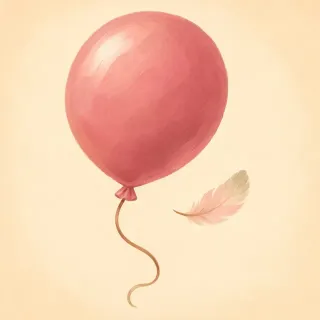
Let's do balloon breathing, for breaths, slowly.
Tap the pink words to change them
More options
5 breaths
Ready when you are
Say it like this
- Put a hand on your bellyFeel it rise like a balloon.
- Breathe in through your noseSlowly, counting to 4.
- Breathe out through your mouthLet the balloon go down, counting to 5.
Also handy
Affiliate links. As an Amazon Associate I earn from qualifying purchases.
Practice when everyone is calm.
rosyandhush.com/resources/breathing-exercises-for-kids
Try it first when everyone is calm, so it's familiar on a hard day. Slow breathing can help many kids settle, but it isn't a treatment. A hand on the belly makes the rise easy to feel.
— NoraHow to use it
- Pick the exercise in the sentence at the top. Balloon breathing is a good first one, and you can change it any time.
- Choose how many breaths, with the little minus and plus, and how fast. Start with the pace that feels easy. You can slow down later.
- Press Start. A shape moves, a word says breathe in or breathe out, and the little dots at the bottom fill up as you go. Press Pause to stop, or Start over to go back to the first breath.
- Want it bigger? Full screen turns the whole thing into the picture, which works well on a tablet propped up in front of your child.
- Under the picture, Say it like this has the words to use, so you can do it with them. Print it or copy the steps if you’d rather have them on paper.
Why a moving shape helps
Little kids find it hard to breathe slowly on request. A shape that grows while they breathe in and shrinks while they breathe out gives their eyes something to follow, so the slow part is easier to do.
The Child Mind Institute says that slow belly breathing can help kids regulate their feelings. KidsHealth says that paying attention to your breathing can help calm the mind. The American Academy of Pediatrics encourages short breathing and meditation breaks for kids. These are all careful words for a reason: it helps many kids, it doesn’t help every kid every time, and it isn’t a treatment for anything.
The four exercises
- Balloon breathing is the one to start with. The picture grows as you breathe in and shrinks as you breathe out.
- Star breathing follows a hand. A dot climbs each finger as you breathe in and comes down as you breathe out. It gives little hands something to do.
- Square breathing has four equal sides: in, hold, out, hold. It’s the only one with a hold, so I’d try it after the others.
- Flower and candle is smell the flower, then blow out the candle. No candle is needed. A feather or bubbles work just as well.
How fast should it go?
The tool starts at the pace the Child Mind Institute suggests: breathe in for a count of 4, then out for a count of 5. There are two other speeds, a little faster and a little slower, in case 4 and 5 feel too long or too short. Square breathing keeps all four sides the same length, so the dot moves at a steady speed.
If your child gets lightheaded or upset, stop and let them breathe normally. Slow breathing should feel easy. It isn’t a contest.
Practice when it’s calm
The most useful tip I have is to practice when nobody needs it. A child in the middle of a big feeling can’t learn a new skill. A child who has done balloon breathing twenty times at bedtime has something familiar to reach for later.
If you’re building a place for those big feelings, my guide to setting up a calm down corner at home is where I’d start. This honest list of calming strategies shows which ones actually worked for us, and what to do when your child is in the red zone covers the moments when practice isn’t the answer yet.
A few things that make it more fun
You don't need anything to start: your hands, a feather or a pinch of imagination will do. These are the extras I'd add once your child likes the routine.
- an expanding sphere: a ball that opens and closes as you pull it apart and push it together, so your child can watch their breath grow and shrink
- a 10-pack of pinwheels: something to blow on for flower and candle breathing, with a spare for whoever wants a turn
- a set of breathing cards for kids: pictures of breathing exercises to follow when words are hard, handy for the corner of your calm down space
- Breathe Like a Bear: a picture book of short breathing and mindfulness exercises to read together on a quiet evening
Some links here are affiliate links. If you buy through one, I may earn a small commission at no extra cost to you. As an Amazon Associate I earn from qualifying purchases.
I am a parent sharing what works at my house, not medical advice. For anything to do with your child's development or sensory needs, talk to your OT or doctor. Medical disclaimer
Sources
- Child Mind Institute: Relaxation skills for kids (read 2026-11-10)
- KidsHealth: Relaxation for parents (read 2026-11-10)
- American Academy of Pediatrics: Just Breathe, the importance of meditation breaks for kids (read 2026-11-10)
Pictures: Phosphor Icons (MIT license).
Questions parents ask me about this
What are some breathing exercises for kids to calm down?
Four that many kids find easy are belly breathing, star breathing, square breathing and flower and candle breathing. All four are in this tool. Balloon breathing is the one I'd start with, because a hand on the tummy makes the breath easy to feel. Slow breathing can help some kids settle, but it's easier to learn on a calm day than in the middle of a meltdown.
How do you teach belly breathing to a child?
Have them lie down or sit, with one hand on their belly. Ask them to breathe in slowly through the nose so the belly pushes the hand up as it fills with air, then breathe out slowly so it sinks. The Child Mind Institute suggests counting 4 as they breathe in and 5 as they breathe out, and that's the pace this tool starts on.
What is box breathing for kids?
Box breathing, or square breathing, has four equal steps: breathe in, hold, breathe out, hold. A dot travels around the four sides of a square, one side for each step. Because it has a hold in it, I'd try balloon breathing first. If holding feels hard, go back to a breath with no hold.
How many breaths should my child take?
Start small. Three to five breaths is plenty for the first few tries, and you can add more once it feels easy. You choose the number in the sentence at the top.
When is the best time to practice breathing?
When everyone is calm. The Child Mind Institute suggests practicing relaxation skills at a quiet time, so they feel familiar when your child needs them on a harder day. A few breaths before a story or at the end of the day works well.
My child doesn't want to do it. What can I do?
Do it with them, and keep it short. Try a different exercise, one breath at a time, or let them blow on a pinwheel or a feather instead. If it turns into a fight, stop and try another day: it should never feel like a punishment.
Keep reading
The routines behind this tool, from the blog.
Emotional Regulation Activities for Kids That Work
Most calming tricks fail mid-meltdown. These emotional regulation activities for kids work when nothing else does. Find the one that fits your child.
Calming Center Checklist: What Actually Belongs
Most calming center stuff just becomes clutter. Here's the exact checklist of tools that actually help kids regulate. See what to keep.
Zones of Regulation Red Zone: A Parent's Plan
Your kid is in the Zones of Regulation red zone and nothing works. Here's what to say, what to skip, and how to ride out the worst 10 minutes.
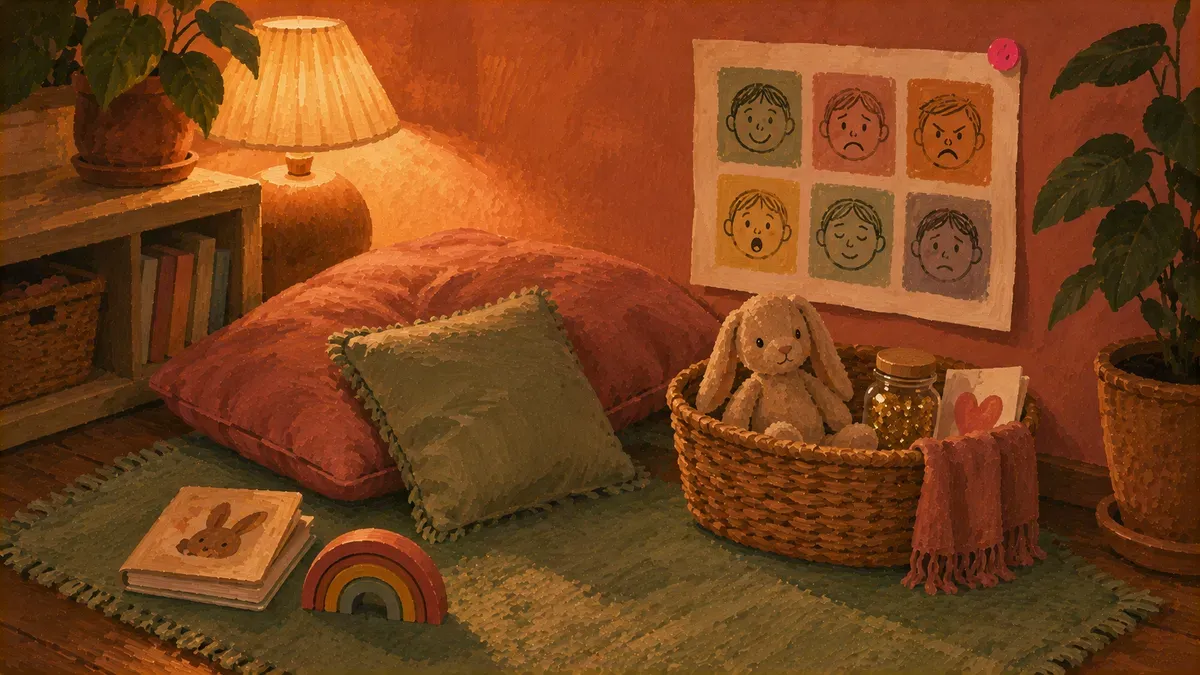
Calm Down Corner: Set One Up at Home for Free
No bean bag, no budget? Build a calm down corner with stuff you already own. Five steps, five minutes, and your kid has a space that works.

Written by
Nora Hayes
Mom of two and a former preschool aide. I share the screen-free sensory play and calm-down ideas I test at my own kitchen table, plus what the moms in my little meet-up swear by. A parent passing on what works, not a doctor or a therapist.
More about Nora