Quiet Book Planner: Pick the Pages, Get the Materials List
Tell me who it's for and how you like to make things. You see the pages in order, with the materials list.

Quiet book planner
A quiet book for a 2-year-old, with pages, practicing snaps and buttons, made with glue, no sewingglue only.
Tap the pink words to change them
More options
Your quiet book
6 pages
About 3 hours · 9 sheets of felt
The pages
What you need
Affiliate links. As an Amazon Associate I earn from qualifying purchases.
Make the first page the easiest and sew it tightest: it will be chewed on and dragged around. Good news: it will also be the favorite.
— Norarosyandhush.com/resources/quiet-book-planner
How to use it
- Say who the book is for. The age changes the pages, and under 3 it changes what’s safe.
- Choose how many pages. Six is where I’d start.
- Pick the skills you want them to practice. Each one becomes a page, in order from easiest to hardest.
- Say how you like to make it. Glue, iron-on tape, hand sewing or a machine: it changes the time and the materials.
- Tick the pages as you finish them, and tick the materials you already have. What’s left unticked is your shopping list. Print it, copy it, or send it to whoever’s helping.
One skill, one page
A quiet book is easiest to finish, and easiest for a small child to use, when each page does one job. A button page has buttons and nothing else. A snap page has snaps. The child learns the move, and you only have to get one thing right per page.
That’s the idea behind the planner. You pick the skills, and it turns each one into a page, adds easy extras like a pocket or a texture page if you ask for more pages than skills, and puts everything in order from simplest to hardest. If you pick more skills than pages, it keeps the easiest ones and tells you what it left out. For page ideas and the patterns themselves, 25 quiet book page ideas for toddlers has a dozen with the steps.
Small pieces and little ones
Anything on a book for a baby or toddler will get pulled, chewed and dragged around. The US small-parts rule, 16 CFR 1501, bans small parts in toys meant for children under 3, so the planner shows a reminder whenever the age is under 3.
My own checks are simple. Sew every button and snap on with doubled thread and tug it hard. Skip any loose piece small enough to fit in a toilet paper tube. Pick a page that doesn’t need loose pieces at all, like a texture page, if you’re not sure. And stay close: a book is never a babysitter. If you’re making one for a baby, this guide to a safe first quiet book goes deeper on what to leave out.
How the numbers work
The minutes and the felt are my estimates, not measurements. I took a typical time for each kind of page, then adjusted it for how you make it: glue is quickest, then iron-on tape, then a sewing machine, and hand sewing takes about half again as long as the machine. The total adds time for cutting and binding the rings. The felt is about a sheet and a half per page.
That’s why everything says “about”. A book with fiddly zippers will take longer than the tool says, and a book with simple glued shapes might take less. If the time you have is shorter than the plan, the planner suggests fewer pages instead of squeezing the same pages into less time.
Where to go next
If you’ve never made one, how to make a quiet book from scratch walks you through the whole thing, and a beginner felt page, step by step is a gentle first page. Making it for a two-year-old? These busy book pages for 2-year-olds show what actually holds their attention.
What I'd get if I were starting today
You can make a first book with scraps and the glue in your craft drawer. These are the few things that save the most hassle, and the tool above only shows the ones your plan needs.
- felt sheets: an assorted-color pack of 8 by 12 inch sheets, thin enough to cut with ordinary scissors, so you get every color a first book needs without buying a bolt
- fabric glue: a permanent, washable fabric glue, the one that makes the no-sewing route work when you'd rather not thread a needle
- iron-on adhesive: a roll of iron-on adhesive that bonds felt pieces to a page with a hot iron, much faster than gluing every edge
- sew-on snaps: a set of 120 metal snaps to stitch onto the felt, 8 and 10 millimeters across. They are small parts, so sew them on tight and stay close
- fabric scissors: 8 inch heavy-duty scissors that cut felt cleanly, which matters more than it sounds when the edges show
- book rings: a 12-pack of 3 inch metal binder rings, so the pages stay together but you can still swap one out later
Some links here are affiliate links. If you buy through one, I may earn a small commission at no extra cost to you. As an Amazon Associate I earn from qualifying purchases.
Sources
Pictures: Phosphor Icons (MIT license).
Questions parents ask me about this
How many pages should a quiet book have?
For a first book, six is a good number, and the planner starts there. It's enough to feel like a book and few enough that you finish it. You can always make more pages later and add them to the rings.
What age is a quiet book for?
A book with big, simple pages works from around a year, as long as an adult is right there. Buttons, snaps and zippers get easier to use from two, and laces and counting suit a four- or five-year-old. Pick the age above and the planner changes the pages to fit.
Are quiet books safe for toddlers?
They can be, if you treat every button and snap as a small part. The US rule for toys meant for children under 3 bans small parts, so sew every piece on tight, tug it hard, and skip any loose piece small enough to fit in a toilet paper tube. Stay close while they play, and retire a page the moment something comes loose.
How long does it take to make a quiet book?
The planner gives a rough time, based on how many pages you pick and how you like to make them. By the planner's estimate, six glued pages come to a few hours, and hand sewing takes a good deal longer. Your own pace will differ, so treat the number as a guide, not a promise.
Can I make a quiet book without sewing?
Yes. Choose glue or iron-on tape in the last pink word. Fabric glue holds the felt pieces, and iron-on adhesive bonds them with a hot iron. Buttons and snaps still need a few stitches to stay on, which is the one place I'd pick up a needle even on a no-sew book.
Why are the pages in that order?
They go from the easiest skill to the hardest. Colors and matching come first, snaps and buttons in the middle, then zippers and laces. That way the first page works for a beginner, and the later ones are there when they're ready.
Keep reading
The routines behind this tool, from the blog.
Quiet Book DIY: How to Make One From Scratch Fast
Make a quiet book from scratch this weekend, even if you've never sewn. Get the materials, page count, and step-by-step build. Start today.
Toddler Activity Book: 12 Quiet Page Ideas to Make
12 toddler activity book page ideas your kid will actually sit still for, plus the felt, Velcro, and binder-ring steps to build each one at home.
Quiet Book Patterns: A Beginner's First Felt Page
New to felt? These beginner quiet book patterns walk you through your first page step by step, with real costs and rookie mistakes. Start today.
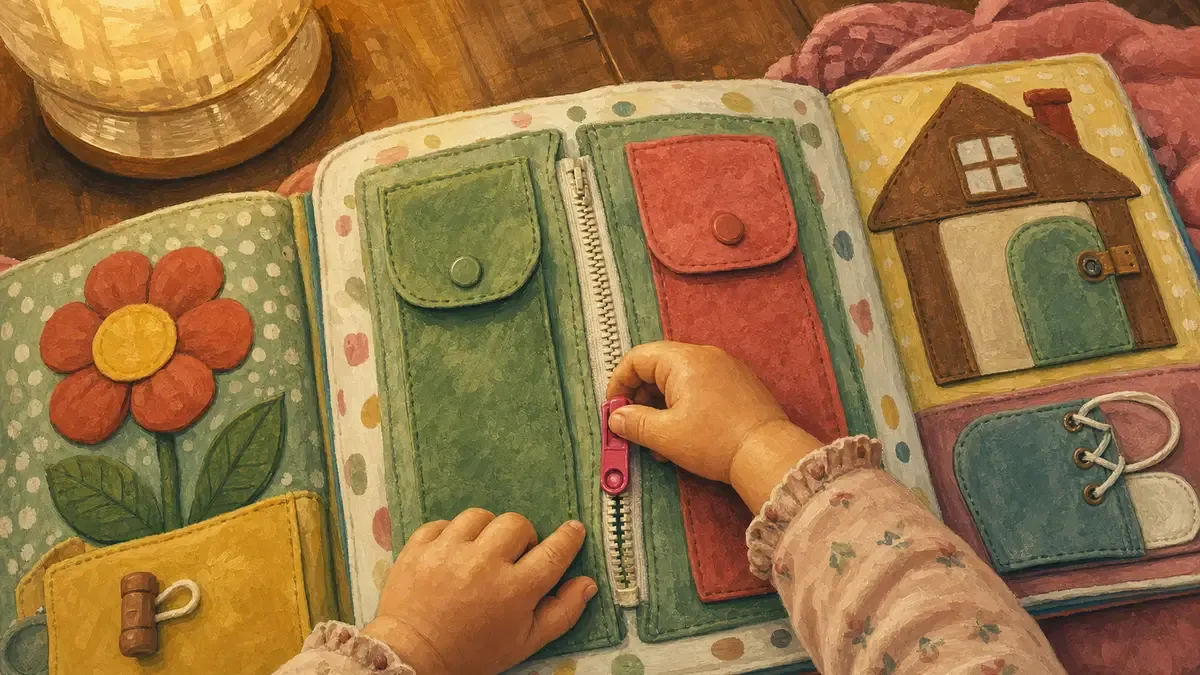
Toddler's Busy Book: Best Pages for 2-Year-Olds
Which busy book pages actually hold a 2-year-old? Build a toddler's busy book they won't rip with the 8 pages that teach real skills. Start here.
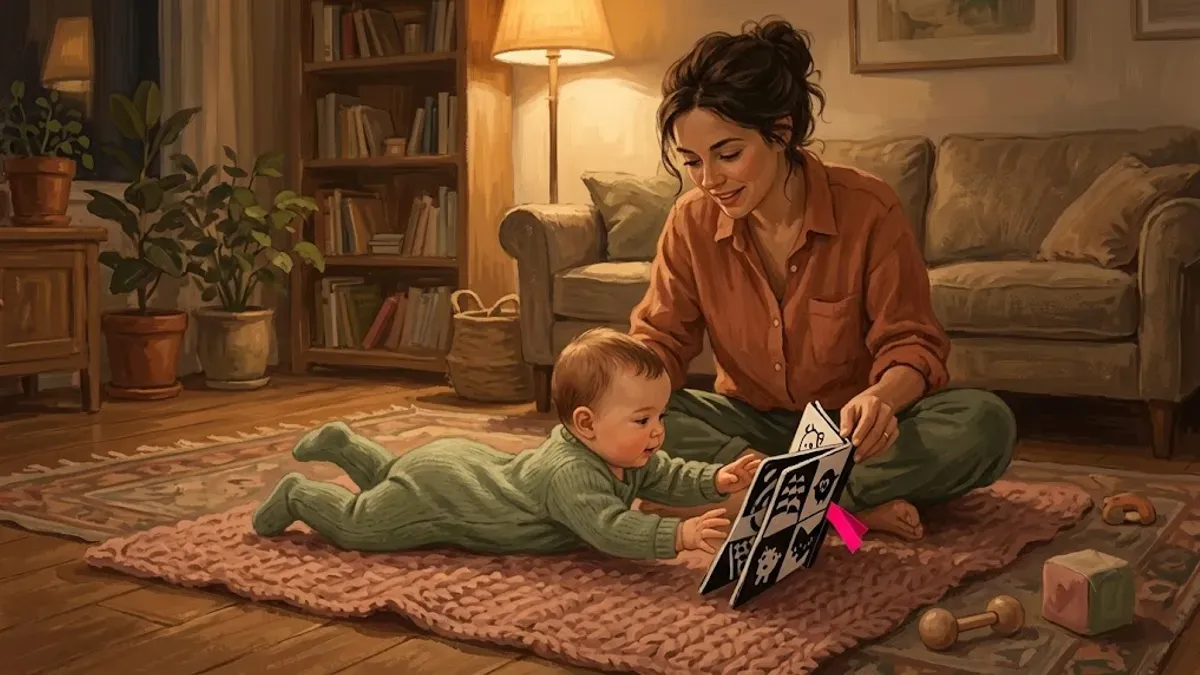
Infant Busy Book: Best Soft, Safe First Picks
Most busy books are built for toddlers. Here's the infant busy book that's truly newborn-safe: soft pages, high contrast, washable.
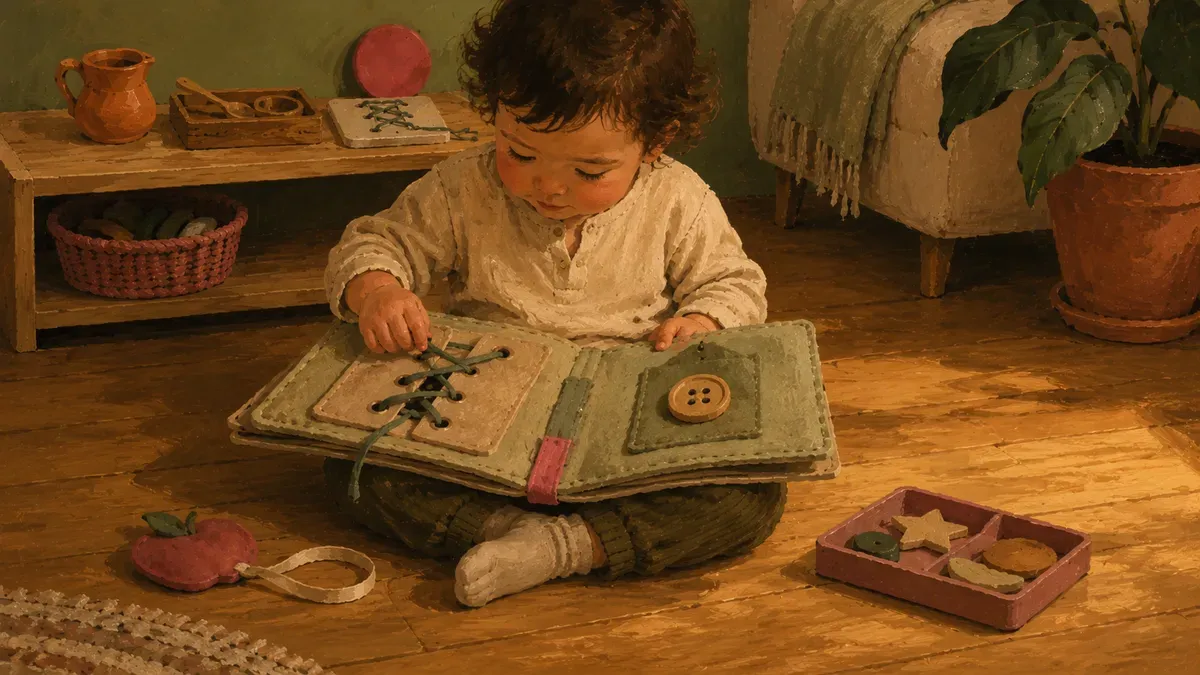
Montessori Busy Book Picks That Follow the Child
A Montessori busy book should match your child, not an age label. See which pages fit each stage and the pick parents keep coming back to.

Written by
Nora Hayes
Mom of two and a former preschool aide. I share the screen-free sensory play and calm-down ideas I test at my own kitchen table, plus what the moms in my little meet-up swear by. A parent passing on what works, not a doctor or a therapist.
More about Nora